

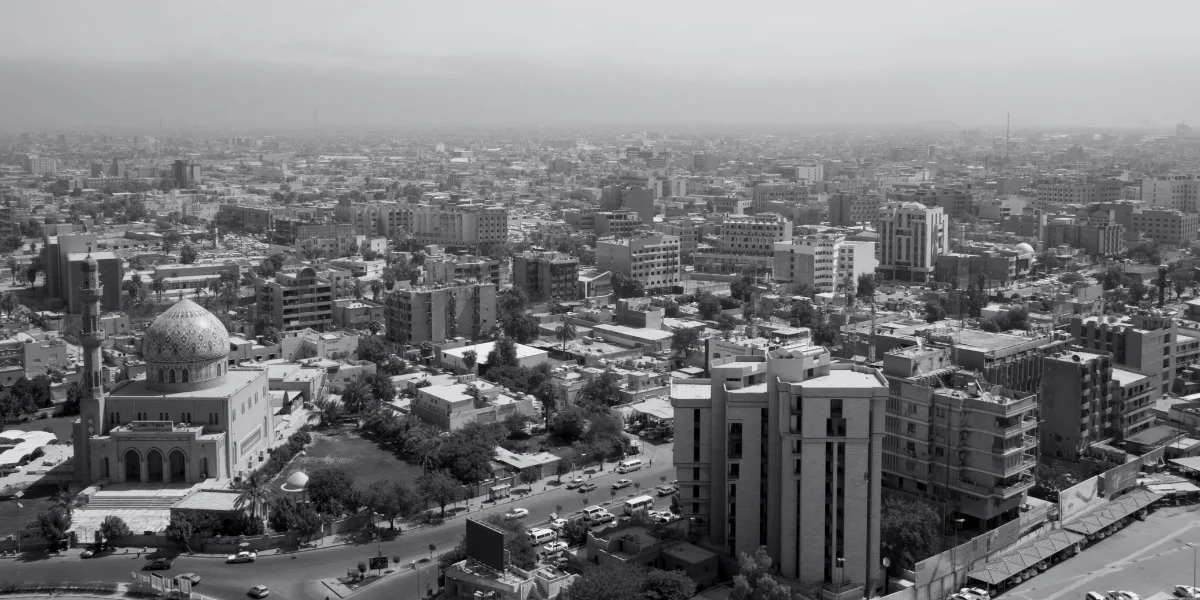
Iraq, long known for its oil wealth and political challenges, is witnessing a surge in foreign investment that could redefine its economic future. Over the past few years, multinational companies and investors have begun exploring opportunities beyond the traditional oil sector. From infrastructure projects to technology initiatives, Iraq is opening its doors to global capital with renewed optimism. The key question, however, remains: can Iraq sustain this boom in the long run, turning temporary interest into lasting economic growth?
Understanding the Drivers of Investment Growth
Oil and Energy Remain the Magnet
Oil continues to be the backbone of Iraq’s economy, and it remains the primary reason foreign investors are taking notice. Rising global energy demands, combined with Iraq’s vast reserves, make it an attractive hub for both exploration and production partnerships. International oil companies are increasingly participating in joint ventures and service contracts, bringing not only capital but also expertise and technology. This infusion strengthens energy sector, but it also highlights the need for diversification to avoid over-reliance on oil.
Diversification Sparks New Opportunities
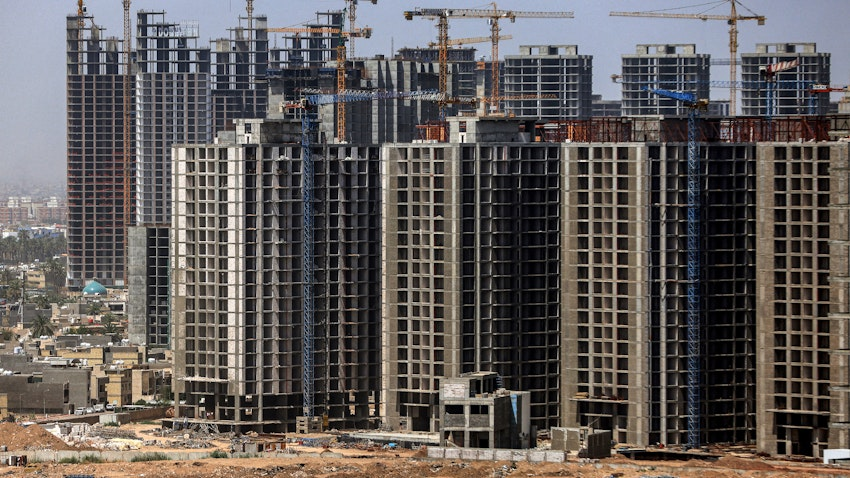
Beyond oil, Iraq is gradually expanding its investment landscape. Infrastructure, telecommunications, agriculture, and renewable energy are becoming hot spots for foreign capital. Massive reconstruction projects, smart city initiatives, and transport modernization programs signal a shift toward long-term economic planning. Foreign investors are eager to capitalize on these developments, recognizing Iraq’s potential as a growth engine in the Middle East.
Government Initiatives and Reforms
Iraq’s government is actively pursuing reforms to attract and retain foreign investment. Regulatory simplifications, tax incentives, and investment protection measures are designed to reduce bureaucratic hurdles and create a more investor-friendly environment. Strategic partnerships with international financial institutions provide further credibility, signaling commitment to transparency and economic stability. While progress has been made, the consistency and enforcement of these reforms remain crucial to maintaining investor confidence.
Challenges That Could Hinder Sustained Growth
Political Instability and Security Concerns
Despite recent progress, political instability remains a concern for investors. Frequent government changes, internal political disputes, and regional tensions create an environment of uncertainty. Security concerns, though improving in certain areas, continue to pose risks for large-scale foreign projects. Investors must carefully navigate these complexities, balancing opportunity against potential volatility.
Infrastructure and Operational Gaps
Iraq’s infrastructure, while improving, still faces significant challenges. Power shortages, limited transportation networks, and inconsistent regulatory frameworks can delay projects and increase operational costs. Bridging these gaps requires sustained investment from both the public and private sectors, along with a strategic vision to ensure long-term efficiency and reliability.
Economic Dependence on Oil
While oil attracts investment, Iraq’s heavy dependence on a single commodity makes the economy vulnerable to global price fluctuations. Economic diversification is essential not only for stability but also to maintain investor confidence. Successful development of non-oil sectors will determine whether Iraq can transform its investment boom into a sustainable, multifaceted economy.
Signs of Optimism in Iraq’s Investment Landscape
Expanding Private Sector Participation
The rise in foreign investment is closely linked to a growing private sector. Small and medium-sized enterprises are increasingly benefiting from foreign capital and expertise, creating new jobs and boosting local economies. As the private sector strengthens, Iraq gains the flexibility to withstand market shocks and nurture innovation across multiple industries.
Regional Integration and Trade Opportunities
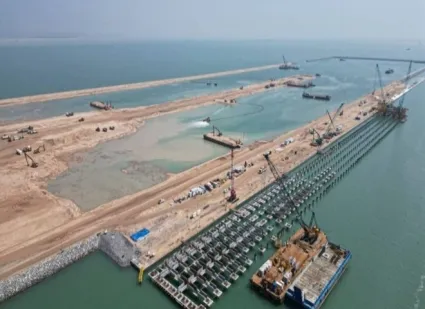
Iraq’s strategic location provides access to neighboring markets and key trade routes. Improved regional integration and trade agreements can amplify investment returns, making Iraq a central hub for commerce and logistics. Foreign investors are keen to tap into these opportunities, recognizing that Iraq’s success could extend beyond its borders and influence regional economic growth.
Rising Investor Confidence
Despite challenges, investor confidence in Iraq is on the rise. Early successes in infrastructure projects, energy developments, and urban modernization initiatives have demonstrated Iraq’s potential as a long-term investment destination. These successes are gradually shaping perceptions, attracting more sophisticated investors willing to commit to multi-year projects.
The Road Ahead: Sustaining the Boom
Focused Policy Implementation
Sustainability of the investment boom depends heavily on consistent and focused policy implementation. Iraq must continue to streamline regulations, enforce property and contract rights, and maintain transparent financial practices. Clear communication between the government and investors can prevent misunderstandings, reduce risk, and encourage long-term commitments.
Encouraging Innovation and Technology
Investment sustainability will also require Iraq to embrace innovation and technology. Foreign partnerships that transfer skills, knowledge, and advanced technologies can help build a resilient economy. Emphasis on digital infrastructure, renewable energy, and modern agricultural practices will create diverse revenue streams and reduce economic vulnerabilities.
Building Social and Economic Stability
Investors are not only attracted to profits—they seek stable social and economic environments. Strengthening public services, ensuring fair labor practices, and investing in human capital are essential to maintaining a supportive ecosystem. When citizens benefit from growth, political stability improves, reinforcing confidence among foreign investors.
Conclusion: A Cautious Optimism
Iraq’s rising foreign investment boom represents an unprecedented opportunity for economic transformation. Oil wealth, infrastructure projects, and government reforms have created fertile ground for investors to explore new horizons. However, challenges such as political instability, security concerns, and economic dependence on oil highlight the need for cautious optimism. Sustained growth will require strategic planning, diversified economic development, and a commitment to creating an investor-friendly, stable environment. If Iraq successfully navigates these complexities, it could emerge as a thriving hub for foreign investment, reshaping its economic future for generations to come.
Do Follow Gulf Magazine on Instagram
Read More:- Saudi Beauty Market Surges Toward USD 6.4 Billion Success

