

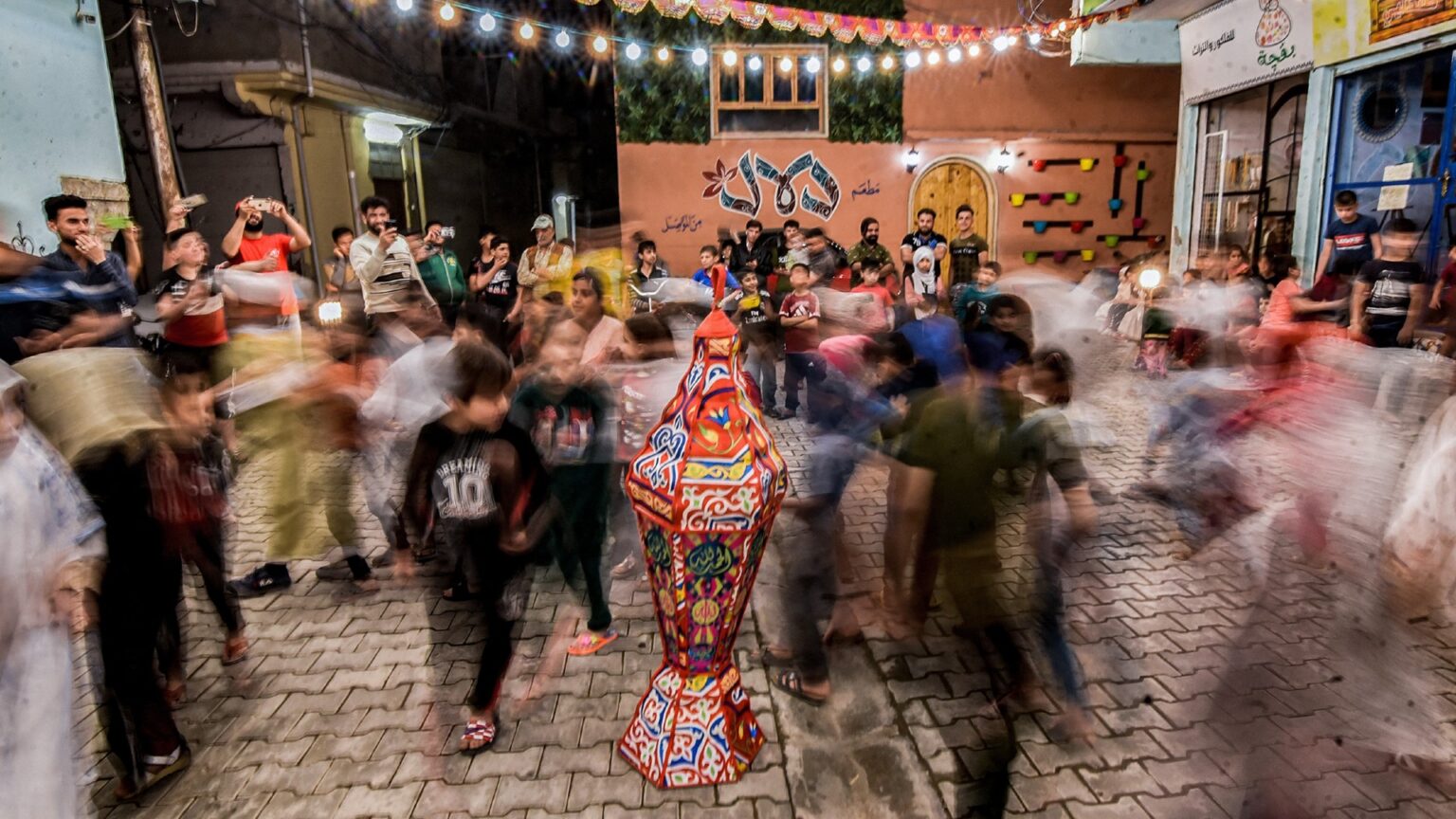
As Iraq approaches Ramadan 2026, the nation stands at a unique crossroads. The intertwining themes of economic reforms and social resilience are shaping how this holy month is observed. With a rich tapestry of cultural traditions, Ramadan in Iraq is not just a time for spiritual reflection; it is also a moment when the communities come together, demonstrating unity and strength amid challenges.
This article explores how Iraq’s ongoing economic reforms are influencing Ramadan celebrations, the resilience of its people, and the broader implications for the future of the nation.
Understanding Ramadan in Iraq’s Cultural Landscape
Ramadan holds a special place in Arabic culture, particularly in Iraq, where it is viewed as a time for prayer, family gatherings, and charitable acts. The sacred month invites individuals to reflect on their faith, engage in community service, and share meals with loved ones.
During Ramadan, the fast-breaking meal, known as Iftar, becomes a communal event, fostering connections among neighbors and families. The rituals surrounding this time are deep-rooted, with each family adding their unique flavor to the celebrations.
However, as Iraq enters 2026, it faces significant economic reforms aimed at revitalizing its economy. These changes are expected to influence how families observe Ramadan, from the types of food they can afford to the extent of community gatherings.
Economic Reforms Shaping Ramadan Festivities
Iraq’s economic landscape has undergone notable transformations, focusing on diversifying the economy and reducing dependence on oil revenues. These reforms have created both opportunities and challenges for ordinary citizens.
As families navigate the consequences of these reforms, the traditional Ramadan celebrations may evolve. For instance, the availability of affordable food items may impact the types of dishes prepared for Iftar. Families might adapt by incorporating more locally sourced ingredients, reflecting a shift towards sustainability and self-reliance.
Moreover, the economic reforms are fostering a spirit of entrepreneurship among the youth. As young people explore new business ventures, they can contribute to the festive spirit of Ramadan by providing unique products or services that cater to their communities. This entrepreneurial energy can also empower families to celebrate the month in meaningful ways, emphasizing the resilience of the Iraqi people.

Social Resilience: The Heart of Ramadan 2026
Social resilience is a defining characteristic of Iraqi society. Despite facing adversity, the community spirit remains strong, especially during Ramadan. In 2026, this resilience is expected to shine through even more brightly as families come together to support one another.
The act of giving during Ramadan, known as Zakat, is crucial in fostering social bonds. With the economic reforms opening new avenues for wealth distribution, more families may find themselves in a position to contribute to charitable causes. This act of giving not only enhances the spiritual aspect of Ramadan but also reinforces communal ties.
Furthermore, as Iraq’s youth engage in volunteer work and community service during this month, they exemplify a commitment to social change and support for those in need. This collective action nurtures a culture of empathy and solidarity, vital for the nation’s healing and progress.
The Role of Community Engagement in Ramadan
Community engagement becomes paramount during Ramadan, especially in a nation like Iraq, where social ties are pivotal. The economic reforms have led to a resurgence in community initiatives aimed at supporting those affected by economic shifts.
Organizations and local leaders are stepping up to create programs that provide food and resources to underprivileged families during Ramadan. These initiatives not only alleviate hardship but also promote a sense of belonging and support within neighborhoods.
Youth involvement in these initiatives is particularly noteworthy. As young people take the lead in organizing Iftar gatherings or fundraising events, they are not only honoring their traditions but also contributing to a positive social change. This engagement helps cultivate a generation that values community service and social responsibility.

Celebrating Diversity in Ramadan Traditions
Iraq is home to a rich mosaic of cultures and traditions, which is beautifully reflected in Ramadan celebrations. Each community adds its unique touch to the festivities, whether through distinct culinary practices, traditional music, or modes of worship.
In 2026, as economic reforms encourage more intercultural exchanges, there is potential for greater appreciation of this diversity. Communities may come together to share Iftar meals, showcasing a variety of dishes that highlight Iraq’s rich heritage.
This blending of traditions fosters understanding and unity, reinforcing the idea that despite different backgrounds, the core values of Ramadan—compassion, unity, and gratitude—are universally shared.
Looking Ahead: The Future of Ramadan in Iraq
As Iraq navigates through economic reforms and social challenges, the essence of Ramadan in 2026 is expected to reflect both resilience and hope. Families will adapt to changing circumstances while maintaining their spiritual traditions, showcasing the strength of Iraqi culture.
In the years to come, the lessons learned during Ramadan 2026 could very well influence how future generations celebrate this holy month. The emphasis on community support, social responsibility, and cultural diversity will likely lay the groundwork for a more unified and resilient society.
Conclusion: A Time for Reflection and Unity
Iraq’s Ramadan 2026 stands as a testament to the nation’s ability to adapt and thrive amidst economic reforms and social challenges. The power of community, resilience, and cultural diversity will shape the celebrations, infusing the month with hope and togetherness.
As families gather for Iftar, engage in acts of charity, and reflect on their faith, they embody the spirit of Ramadan that transcends economic circumstances. This holy month will not only be a time for spiritual renewal but also for fostering deeper connections among the people of Iraq.
Do follow Gulf Magazine on Instagram.
Also Read – Mario Balotelli UAE Move Sparks Gulf Football Buzz

