

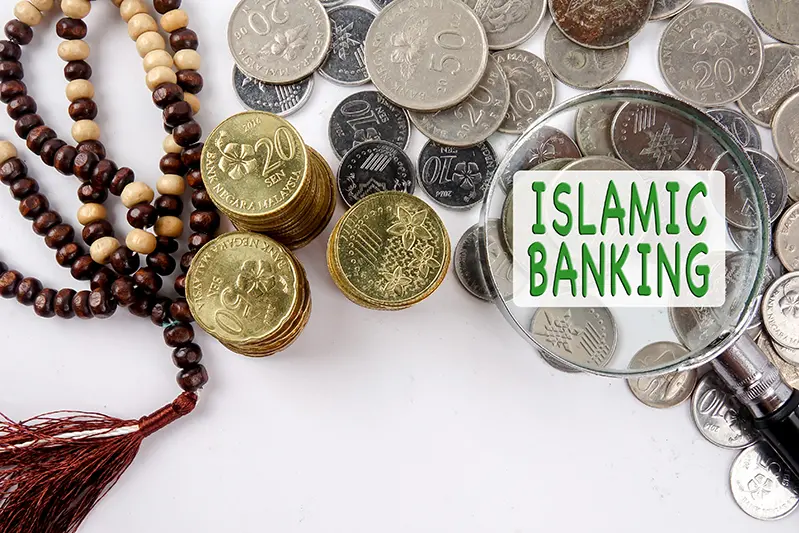
As the world evolves, so does the financial landscape, particularly in the Middle East. Islamic finance in Oman is on an impressive trajectory, poised for a remarkable 25% growth that will propel its value to $45 billion by 2026. This burgeoning sector is not just a financial statistic; it embodies a shift in how Oman and its neighboring Gulf Cooperation Council (GCC) countries approach economic diversification and investment.
The rise of Islamic finance aligns with global trends, allowing Oman to capitalize on its unique cultural and religious identity while appealing to a broader international audience. Let’s explore the driving forces behind this growth, the opportunities it presents, and what it means for the future of Oman’s economy.
The Rise of Islamic Finance: A Cultural and Economic Necessity
Islamic finance operates under a unique framework that adheres to Sharia law, which prohibits activities such as usury and speculative investments. This financial system is not only ethical but also offers innovative products that cater to a diverse range of clients, from individuals to large corporations. In Oman, the appeal of Islamic finance is deeply rooted in the cultural fabric of the society, making it a natural fit for the nation’s economic aspirations.
The growth of the Islamic finance sector is crucial for Oman as it seeks to diversify its economy away from oil dependency. By enhancing investment in this sector, Oman can attract both local and foreign investors who are increasingly looking for ethical investment opportunities. The projected growth to $45 billion in 2026 underscores the confidence in this financial model and its potential to drive economic stability and growth.
Key Drivers of Growth in Islamic Finance in Oman
Several factors are fueling the anticipated growth of Islamic finance in Oman.
Regulatory Support and Government Initiatives
The Omani government has taken significant steps to create a conducive environment for Islamic finance. Regulatory frameworks have been established to ensure that financial institutions operate within the parameters of Sharia law while maintaining transparency and integrity. This regulatory support enhances investor confidence and encourages the establishment of new Islamic financial products.
Increasing Demand for Ethical Investment Options
As global awareness of ethical investing rises, more individuals and businesses are seeking financial products that align with their values. Islamic finance’s core principles resonate with this demand, as it emphasizes risk-sharing, ethical investments, and social responsibility. In Oman, this shift in consumer behavior is a significant factor driving the growth of the Islamic finance sector.
Innovative Financial Products
Innovation is at the heart of financial growth, and Islamic finance in Oman is no exception. Financial institutions are developing diverse products such as Sukuk (Islamic bonds), Murabaha (cost-plus financing), and Takaful (Islamic insurance) to meet the evolving needs of consumers. These products attract a broader clientele, contributing to the sector’s expansion.
Integration with Global Markets
Oman’s strategic position within the GCC allows it to play a crucial role in the global Islamic finance landscape. As countries within the region work together to strengthen economic ties, Oman can leverage its unique position to attract international investments. This integration opens up opportunities for collaboration and knowledge sharing, further enhancing the growth potential of Islamic finance.
The Role of Technology in Islamic Finance
The role of technology in shaping the future of Islamic finance cannot be overlooked. Fintech innovations are transforming how financial products are delivered and consumed. In Oman, digital banking solutions and mobile applications are making Islamic finance more accessible to the public.
This tech-driven approach not only enhances customer experience but also improves operational efficiency for financial institutions. As more Omanis embrace digital solutions, the Islamic finance sector is likely to see accelerated growth, with technology playing a pivotal role.
Challenges Ahead for Islamic Finance in Oman
Despite the promising outlook, the Islamic finance sector in Oman faces several challenges that need to be addressed to ensure sustainable growth.
Competition from Conventional Finance
While Islamic finance offers unique benefits, it still competes with conventional financial systems that have established a strong foothold. To attract clients, Islamic financial institutions must clearly communicate their value propositions and differentiate their offerings from traditional products.
Need for Skilled Workforce
As the Islamic finance sector grows, there is a pressing need for professionals with expertise in both finance and Sharia law. Developing a skilled workforce capable of navigating the complexities of Islamic finance will be crucial for the sector’s long-term success.
Awareness and Education
Public awareness of Islamic finance remains a barrier to its widespread adoption. Educational initiatives aimed at informing the public about the benefits and workings of Islamic finance can play a significant role in driving growth. Engaging the community through workshops, seminars, and digital content can help demystify the sector and encourage participation.
The Future of Islamic Finance in Oman: A Bright Horizon
The future of Islamic finance in Oman looks promising, with projections indicating a growth rate of 25%, reaching a remarkable $45 billion by 2026. As Oman continues to embrace economic diversification, the Islamic finance sector will be a vital component of this strategy.
With the support of government initiatives, increasing demand for ethical investment options, and the integration of technology, the potential for growth is immense. By addressing the challenges head-on and focusing on education and awareness, Oman can position itself as a leader in the Islamic finance niche.
Conclusion: Embracing a New Financial Era
Islamic finance in Oman is set for a transformative journey, with a projected growth that reflects both the resilience of the Omani economy and the evolving needs of its people. As the sector grows towards $45 billion by 2026, it will not only contribute to economic diversification but also enhance the ethical dimensions of finance in the region.
The remarkable growth potential of Islamic finance underscores the importance of this sector within the broader context of Oman’s economic landscape. By continuing to foster innovation, regulatory support, and awareness, Oman is well-positioned to embrace this new financial era.
Do follow Gulf Magazine on Instagram.
Also Read – Saudi Arabia’s Economy Surges to $1.3 Trillion

