

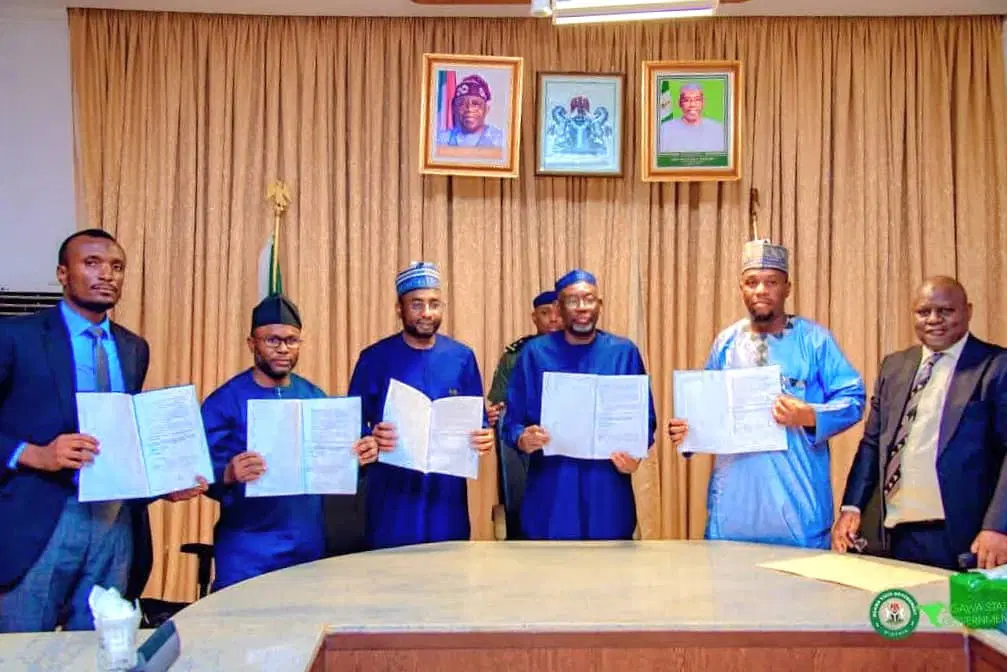
In the wide open fields of northern Nigeria, a quiet but powerful transformation is taking shape. Jigawa State, working in partnership with El Meena Farms and a major Saudi agribusiness group, has unveiled a $540 million alfalfa export initiative that could reshape the future of commercial farming in the region. Beyond the impressive investment figure lies a deeply human story of opportunity, ambition, and the promise of shared prosperity.
For local farmers, young agripreneurs, and rural families who have long relied on subsistence agriculture, this project represents more than exports and revenue. It is a chance to see their land valued on a global stage, to build skills that endure, and to connect local effort with international demand.
Understanding the Alfalfa Opportunity
Why Alfalfa Matters Globally
Alfalfa is not just another crop. Known as one of the most nutritious animal feeds in the world, it plays a critical role in supporting dairy and livestock industries, especially in arid regions. Countries with limited water resources, including Saudi Arabia, increasingly look abroad for reliable sources of high quality fodder to sustain their food security strategies.
Nigeria’s climate, fertile land, and expanding irrigation potential position it as a natural partner in meeting this demand. By focusing on alfalfa cultivation at scale, Jigawa and El Meena Farms are tapping into a market that values consistency, quality, and long term supply relationships.
Why Jigawa Is Central to the Vision
Jigawa State offers vast tracts of arable land, proximity to water resources, and a farming population eager for growth. The state’s leadership has spent years advocating for agribusiness driven development, and this export push reflects that commitment.
Local communities stand at the heart of the project. From land preparation to harvesting and processing, thousands of hands will be involved. For many families, this initiative could mean steady incomes, access to training, and renewed confidence in farming as a viable livelihood.
The Partnership Behind the $540m Investment
El Meena Farms and Its Growing Footprint
El Meena Farms has steadily built a reputation for blending modern agricultural practices with local knowledge. By partnering with an established Saudi group, the company is scaling its operations while maintaining a focus on sustainability and community engagement.
This collaboration brings together Nigerian land and labor with Saudi expertise in large scale fodder production, logistics, and export markets. It is a partnership designed to balance commercial success with long term regional development.
Saudi Group’s Strategic Interest
For the Saudi partner, the investment aligns with broader efforts to secure dependable agricultural supply chains outside water stressed regions. Rather than short term sourcing, the group is investing in infrastructure, technology, and people on the ground.
This long horizon approach builds trust. It signals to Nigerian stakeholders that the project is not about extraction, but about building a mutually beneficial system where both sides grow together.

What the Project Will Look Like on the Ground
Large Scale Cultivation and Processing
The $540 million initiative covers extensive alfalfa cultivation, modern irrigation systems, processing facilities, and export logistics. Advanced farming techniques will be introduced to maximize yield while managing water efficiently.
Processing plants near the farms will ensure that alfalfa is dried, baled, and prepared to international standards. This local processing keeps more value within Nigeria and creates skilled jobs beyond the fields.
Infrastructure That Serves Communities
New roads, storage facilities, and power solutions developed for the project are expected to benefit surrounding communities as well. Improved infrastructure often becomes a catalyst for other businesses, from transport services to local markets.
For residents, this means better access, reduced post harvest losses for other crops, and a sense that development is reaching beyond urban centers.
Human Stories at the Heart of the Initiative
Farmers Gaining Skills and Stability
For many farmers in Jigawa, this project offers something rare: predictability. Contract farming arrangements and guaranteed offtake reduce uncertainty and allow families to plan for the future.
Training programs will introduce farmers to modern cultivation methods, quality control, and sustainable water use. These skills will remain long after the first export shipment leaves Nigerian soil.
Youth and Women Finding New Roles
The alfalfa export push also opens doors for young people and women, groups often underrepresented in large scale agribusiness. From agronomy and machine operation to quality assurance and administration, the value chain offers diverse opportunities.
When rural youth see viable careers close to home, migration pressures ease and communities stay intact. This social impact is as important as the economic return.

Economic Impact Beyond the Farms
Boosting Nigeria’s Non Oil Exports
Nigeria has long sought to diversify its economy beyond oil. High value agricultural exports like alfalfa provide a practical path toward that goal. The $540 million project is expected to generate significant foreign exchange earnings while strengthening trade ties with the Middle East.
As confidence grows, similar investments could follow, positioning Nigeria as a reliable agricultural exporter rather than just a consumer market.
Encouraging Further Investment
Large, successful projects send powerful signals. When international investors see effective partnerships, supportive state policies, and stable operations, they are more likely to commit capital.
Jigawa’s experience could become a model for other states seeking to attract agribusiness investment rooted in local strengths.
Sustainability and Responsible Farming
Managing Water and Land Responsibly
Alfalfa is a water intensive crop, making sustainability a key concern. The project emphasizes efficient irrigation systems, careful water management, and soil conservation practices.
By adopting modern technology and monitoring systems, the partners aim to balance productivity with environmental responsibility. This approach protects the land that communities depend on while meeting export commitments.
Long Term Community Engagement
Sustainability is not only environmental. It is social. Ongoing dialogue with local leaders, transparent land agreements, and community development initiatives help ensure that growth does not come at the expense of trust.
When communities feel respected and included, projects gain resilience and longevity.
Challenges and How They Are Being Addressed
Logistics and Export Readiness
Moving agricultural products from inland farms to international markets requires coordination and reliability. Investments in storage, transport, and export handling are central to the project’s design.
By planning logistics from the outset, the partners aim to avoid common bottlenecks that have hindered past export efforts.
Building Confidence Through Delivery
Large announcements raise expectations. The true test will be consistent delivery over time. Early pilot phases and phased expansion allow stakeholders to learn, adapt, and build confidence step by step.
Success will be measured not only in export volumes, but in the stability and satisfaction of those involved.
A Symbol of Shared Growth
Strengthening Nigeria Saudi Relations
This alfalfa export push adds a new dimension to Nigeria Saudi economic relations. It shows how agriculture can complement energy, finance, and trade ties, creating a more balanced partnership.
Such collaboration fosters mutual understanding and opens doors to future cooperation in food processing, technology, and training.
Inspiring a New Agricultural Narrative
For too long, farming in Nigeria has been associated with hardship and low returns. Projects like this help rewrite that narrative, showing agriculture as a sector of innovation, dignity, and global relevance.
When young Nigerians see farming connected to international markets and modern practices, perceptions begin to shift.
Looking Ahead
The $540 million alfalfa export initiative in Jigawa is still at the beginning of its journey. Fields will be planted, systems tested, and partnerships strengthened over time. Challenges will arise, as they always do in ambitious projects.
Yet the underlying promise remains strong. By combining local land and labor with international expertise and demand, Jigawa, El Meena Farms, and their Saudi partner are building something that goes beyond a single crop.
They are planting confidence, opportunity, and connection. If nurtured carefully, this initiative could stand as a lasting example of how agriculture can unite regions, uplift communities, and deliver shared prosperity.
Do follow Gulf Magazine on Instagram.
Also Read – Arab Celebration of Unity and Culture in FIFA Arab Cup Fan Zones

