

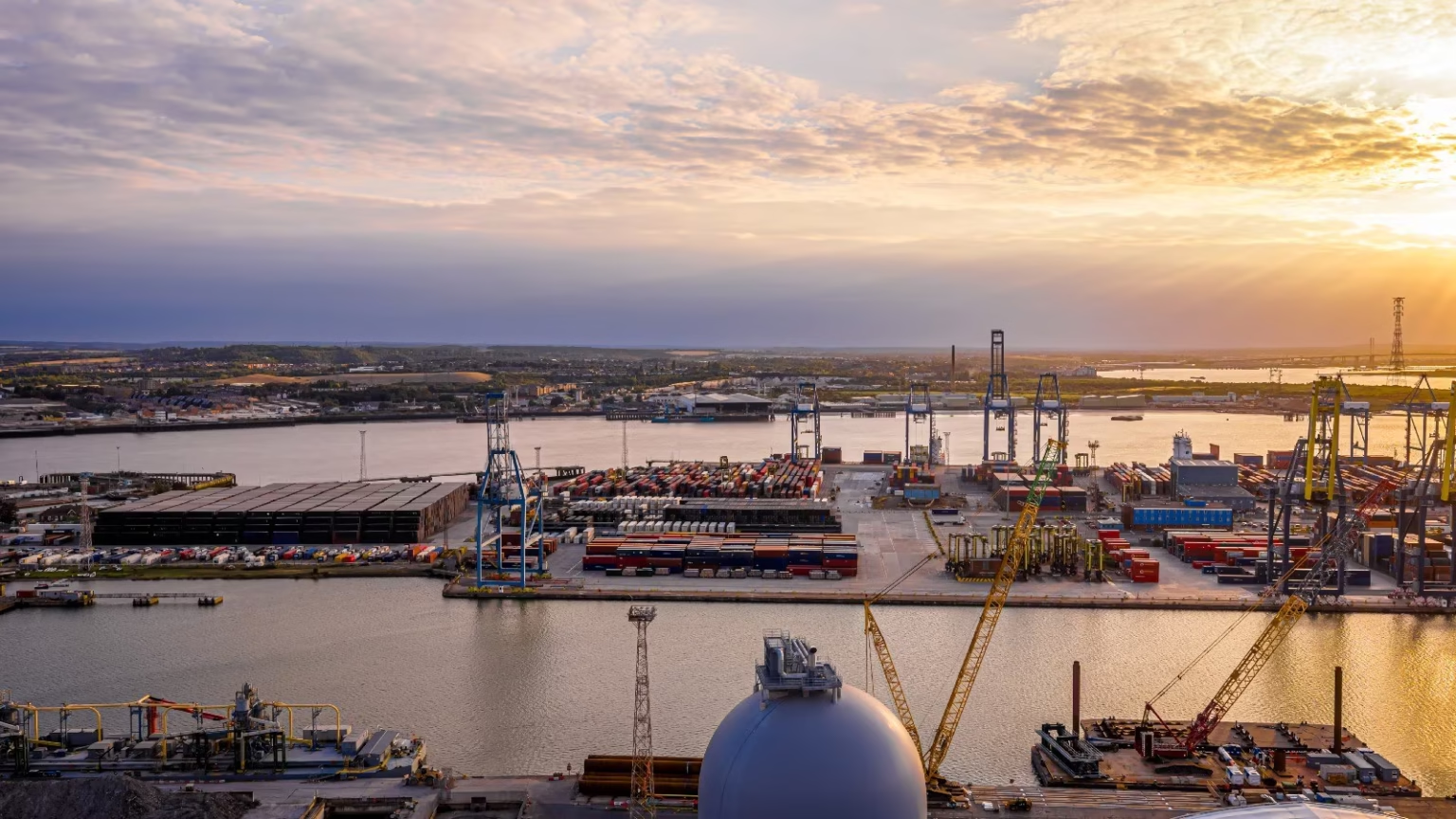
As we look ahead to 2026, the Gulf Cooperation Council (GCC) economies are poised for transformative changes. The key economic themes shaping the region include trade diversification, advancements in artificial intelligence (AI), workforce development, and a renewed focus on fiscal discipline. These elements are not just buzzwords; they are critical to ensuring the sustainable growth and resilience of GCC nations in an ever-evolving global landscape.
Trade Diversification: Breaking Away From Oil Dependency
The GCC has long been synonymous with oil wealth, but this dependency is gradually shifting. Trade diversification is emerging as a prominent theme, as countries in the region recognize the need to reduce their reliance on oil revenues.
This shift is driven by several factors, including fluctuating oil prices and a growing global emphasis on sustainability. The GCC nations are actively exploring new markets and sectors. For instance, initiatives in tourism, technology, and renewable energy are gaining momentum. Countries like Saudi Arabia and the UAE are investing heavily in non-oil sectors, aiming to attract foreign investment and foster local entrepreneurship.
In 2026, we can expect GCC economies to showcase a more balanced trade portfolio, with non-oil exports playing a significant role. This diversification will not only bolster economic stability but also enhance the region’s competitiveness on the global stage.
AI: Revolutionizing Industries and Enhancing Productivity
Artificial intelligence is not just a buzzword; it is a game-changer for GCC economies. The adoption of AI technologies is set to revolutionize various industries, from healthcare to finance, and bolster productivity across the board.
By 2026, we will likely see GCC nations leveraging AI to optimize operations and improve service delivery. Governments are investing in AI research and development, creating initiatives that encourage innovation and the integration of AI into everyday business processes. For example, smart city projects in the UAE are already utilizing AI for traffic management, energy efficiency, and public safety.
Moreover, the region’s universities and research institutions are focusing on upskilling the workforce to meet the demands of an AI-driven economy. This emphasis on education and technology will ensure that the GCC remains at the forefront of the digital revolution.
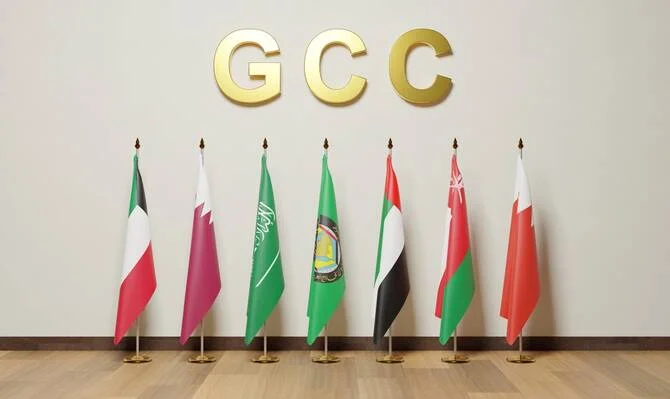
Workforce Development: Preparing for the Future
A skilled workforce is essential for any economy, and the GCC is prioritizing workforce development as a key theme. As industries evolve, so do the skills required to thrive in them.
By 2026, the GCC will likely see a significant investment in education and vocational training programs aimed at equipping the workforce with the necessary skills for emerging sectors. Governments are collaborating with private enterprises to create training frameworks that align with market demands.
This focus on workforce development also extends to attracting talent from abroad. By fostering an environment that welcomes international talent, GCC nations can enhance their competitive edge and drive innovation.
Fiscal Discipline: Ensuring Long-Term Economic Stability
Fiscal discipline is a crucial theme that cannot be overlooked. As GCC economies transition from oil dependency, maintaining strong fiscal policies will be vital to ensuring long-term economic stability.
In 2026, we can expect GCC nations to adopt more prudent fiscal measures, focusing on budgetary discipline and efficient resource allocation. Governments are likely to prioritize transparency and accountability in financial management, which will boost investor confidence and promote sustainable growth.
Additionally, the implementation of value-added tax (VAT) and other revenue-generating mechanisms will play a crucial role in diversifying government revenues. By focusing on fiscal discipline, GCC countries can build resilient economies that are less vulnerable to external shocks.

The Interconnection of Themes: A Holistic Approach
The key economic themes shaping the GCC in 2026—trade diversification, AI, workforce development, and fiscal discipline are interconnected. Each theme reinforces the others, creating a holistic approach to economic growth and sustainability.
For instance, trade diversification can benefit from AI technologies, which can enhance supply chain efficiencies and market analyses. Similarly, a well-trained workforce is essential for implementing AI solutions effectively, while fiscal discipline ensures the resources are available for these transformative initiatives.
Conclusion: A Bright Future Awaits the GCC
As the GCC navigates the complexities of the global economy, the focus on trade diversification, AI, workforce development, and fiscal discipline will shape its future. These key economic themes are not just trends; they represent a commitment to building resilient and sustainable economies that can thrive in a rapidly evolving world.
By 2026, the GCC is poised to emerge as a more dynamic and diversified region, ready to embrace the challenges and opportunities that lie ahead. The path forward is not without its challenges, but with a clear vision and strategic initiatives, the GCC is well on its way to a prosperous future.
Do follow Gulf Magazine on Instagram.
Also Read – Saudi Arabia Retail Sukuk Offers 4.58% Returns

