

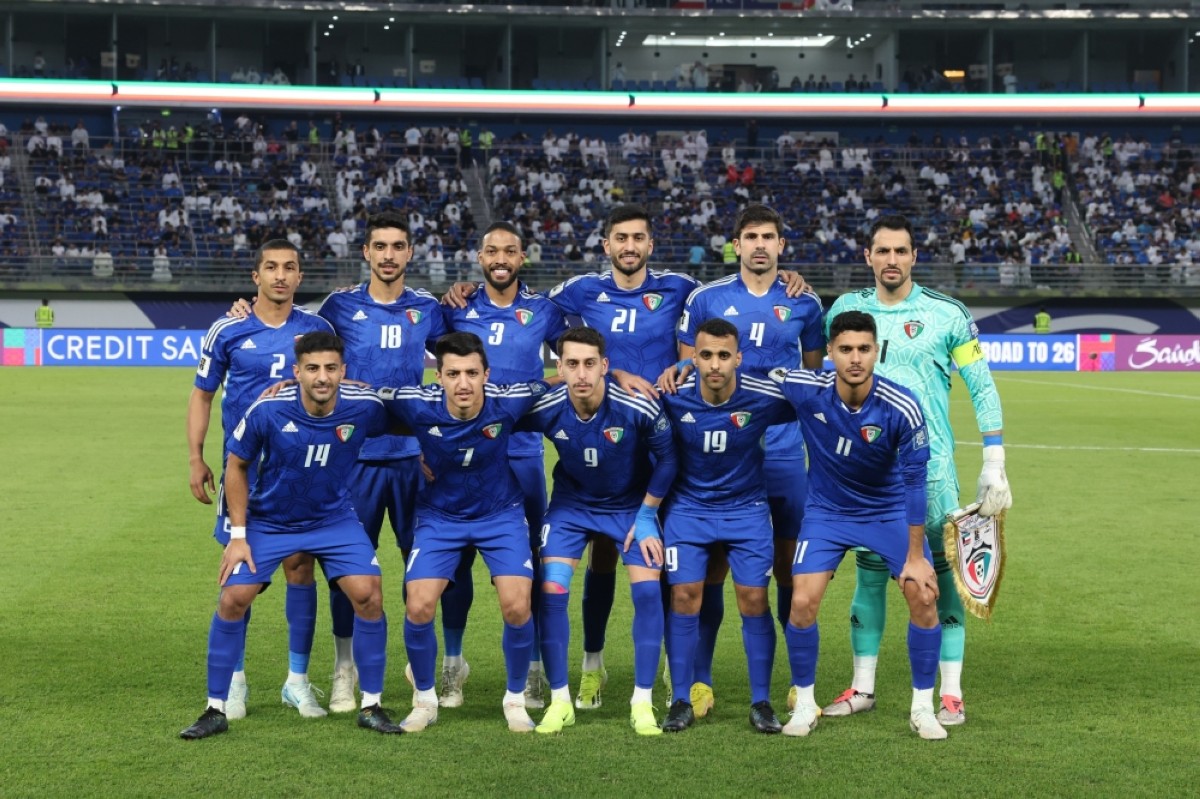
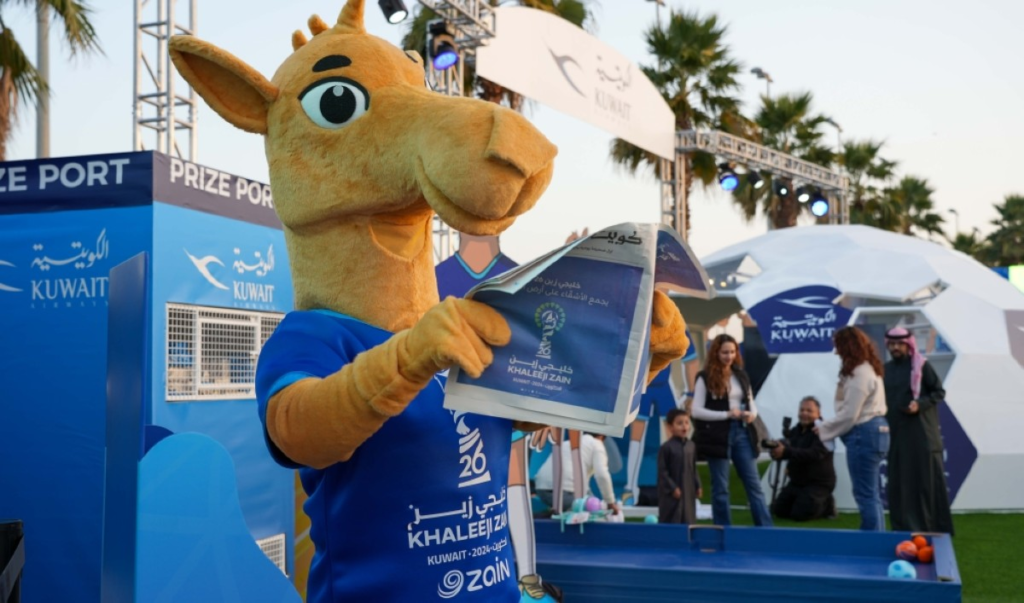
The 26th Arabian Gulf Cup, widely known as Khaleeji Zain 26, was more than a regional football competition. It acted as a mirror reflecting how far Gulf football has come and a window into where it is headed next. While fans celebrated dramatic goals, passionate rivalries, and packed stadiums, football analysts and decision-makers saw something deeper unfolding on the pitch.
This edition of the Gulf Cup revealed a region increasingly confident in its football identity. Tactical maturity, improved physical conditioning, and the growing influence of young players signaled a clear departure from older, more predictable styles of play. Instead, Gulf teams demonstrated ambition, adaptability, and a willingness to embrace modern football philosophies that align closely with global trends.
Tactical Evolution Across the Gulf
One of the strongest messages from Khaleeji Zain 26 was the tactical growth of Gulf national teams. Gone were the days when matches relied mainly on individual brilliance or conservative defending. Instead, teams arrived with clearly defined game plans shaped by structured pressing, coordinated movement, and intelligent use of space.
Several teams adopted high-pressing systems, aiming to win the ball early and disrupt opponents’ build-up play. Midfields operated with greater discipline, balancing defensive responsibility with quick forward transitions. Full-backs played more advanced roles, often acting as auxiliary wingers, while central defenders showed increased confidence on the ball.
This tactical sophistication reflects the influence of better coaching education and exposure to international football. Many players now compete in stronger domestic leagues or train under coaches with elite Asian and European experience, bringing those lessons directly into national team setups.
Fitness Levels Reach New Standards
Another striking feature of the tournament was the physical readiness of players. Matches were played at high intensity for longer periods, with teams maintaining tempo deep into the second half. This improvement in fitness levels allowed coaches to implement demanding tactical systems that require constant movement and pressing.
The emphasis on sports science, nutrition, and recovery is paying dividends. Gulf football has clearly moved beyond outdated training methods, embracing modern performance management similar to that used by top international teams. Players looked sharper, faster, and more resilient, reducing the gap between Gulf teams and stronger Asian nations.
Improved fitness also enabled deeper squad rotation, with coaches confidently making changes without compromising team structure or intensity.
Squad Rotation and Tactical Flexibility
Khaleeji Zain 26 highlighted how Gulf teams are becoming more flexible in their approach. Coaches rotated squads not only due to fatigue or injuries but as part of strategic planning. This depth allowed teams to adapt to different opponents and match situations.
Formations shifted fluidly during games. A team starting with a 4-3-3 could transition into a compact 4-5-1 when defending or a 3-4-3 when chasing a goal. Such adaptability reflects a growing tactical intelligence among players who now understand multiple roles within a system.
This flexibility is a crucial step for Gulf teams aiming to succeed in major Asian tournaments, where adaptability often separates contenders from early exits.
Youth Takes Center Stage
Perhaps the most encouraging sign from Khaleeji Zain 26 was the prominence of young players. Across several teams, emerging talents were trusted in high-pressure matches, often delivering composed and confident performances.
Countries such as Saudi Arabia, Qatar, Oman, and Kuwait have invested heavily in youth development programs over the past decade. Academies, structured youth leagues, and pathways to professional football are now producing players who are technically sound and tactically aware.
Young players showed fearlessness, quick decision-making, and a strong understanding of modern football demands. Their presence also brought energy and unpredictability, forcing opponents to adapt quickly.
This generational shift suggests that Gulf football is no longer dependent on short-term solutions but is building a sustainable future through long-term planning.
Bahrain’s Triumph: A Blueprint for Success
Bahrain’s championship victory stood as a powerful lesson in consistency and patience. Rather than relying on star names or dramatic tactical gambles, Bahrain demonstrated the value of a stable footballing philosophy supported by long-term planning.
Their success was built on discipline, cohesion, and trust in a well-drilled system. Players understood their roles clearly, transitions were smooth, and the team remained mentally strong under pressure. Bahrain’s journey proved that intelligent management and continuity can overcome resource gaps or historical disadvantages.
For other Gulf nations, Bahrain’s triumph serves as inspiration that success is achievable through structure, belief, and sustained development rather than constant change.
The Role of Domestic Leagues
The progress seen at Khaleeji Zain 26 is closely linked to improvements in domestic leagues across the Gulf. Professional standards have risen significantly, with better infrastructure, higher-quality foreign players, and stronger competition levels.
Domestic leagues now serve as effective platforms for developing national team players. Regular exposure to competitive matches sharpens tactical understanding and mental toughness. Young players, in particular, benefit from meaningful game time rather than being limited to bench roles.
As domestic leagues continue to grow, they will remain a cornerstone of Gulf football’s upward trajectory.
Coaching Education and Modern Philosophies
Behind the scenes, coaching education has played a crucial role in shaping the tournament’s quality. Many Gulf football associations have invested in licensing programs, international partnerships, and continuous professional development for coaches.
This investment is evident in how teams approached matches with clear identity and structure. Coaches displayed confidence in implementing modern systems such as pressing triggers, positional play, and data-driven decision-making.
The shift away from reactive coaching toward proactive game management marks a major cultural change within Gulf football.
Preparing for Bigger Asian and Global Stages
Khaleeji Zain 26 reaffirmed the Gulf Cup’s importance as a preparation platform for larger challenges. The tournament provides a competitive yet familiar environment where teams can test new ideas, integrate young players, and refine tactical systems.
As Gulf nations set their sights on Asian Cups, World Cup qualifiers, and continental club competitions, the lessons learned here will be invaluable. Facing regional rivals with similar styles and conditions allows teams to measure progress realistically.
The tournament’s evolving quality also enhances its relevance, ensuring it remains a key fixture in the Gulf football calendar.
The Emotional Connection with Fans
Beyond tactics and development, Khaleeji Zain 26 reminded everyone of football’s emotional power in the Gulf. Stadiums buzzed with passion, national pride, and shared cultural identity. Fans connected deeply with players who represented not just teams but collective aspirations.
This emotional bond fuels the sport’s growth. When supporters see young players stepping up and teams playing attractive football, belief grows both on and off the pitch.
Conclusion: A Confident Future Taking Shape
Khaleeji Zain 26 revealed a Gulf football landscape that is evolving with purpose and confidence. Tactical sophistication, physical readiness, youth integration, and strategic planning are no longer ambitions but realities shaping the region’s football identity.
While challenges remain, the direction is clear. Gulf football is moving steadily toward international standards, guided by long-term vision rather than short-term fixes. Tournaments like the Arabian Gulf Cup will continue to serve as proving grounds where progress becomes visible and belief strengthens.
The future of Gulf football looks not only competitive but promising, driven by knowledge, passion, and a generation ready to define its own legacy.
Do follow Gulf Magazine on Instagram.
Also Read – Arabian Gulf Cup: Football’s Enduring Power of Unity

