

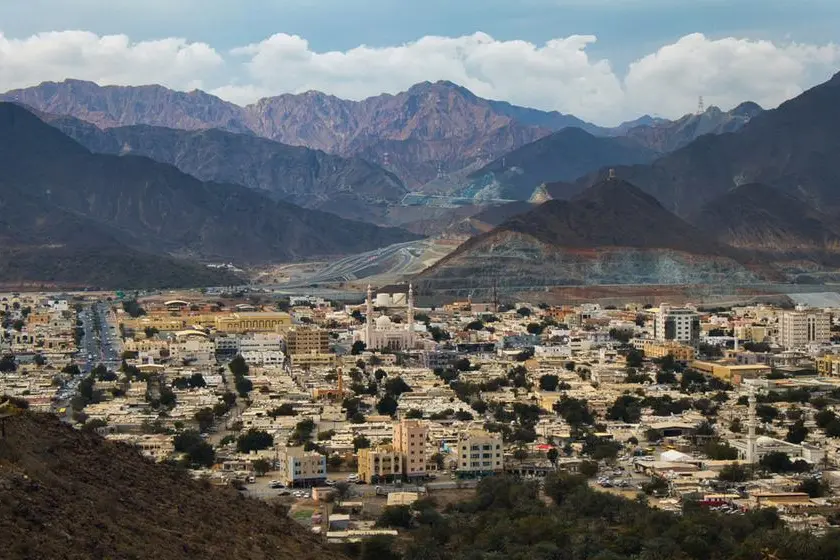
The Khorfakkan Forest City vision announced by the Ruler of Sharjah promises to transform the scenic coastal town of Khorfakkan into a lush urban destination surrounded by forests. The ambitious plan aims to blend modern infrastructure with environmental sustainability, turning the historic port city into one of the greenest urban areas in the region.
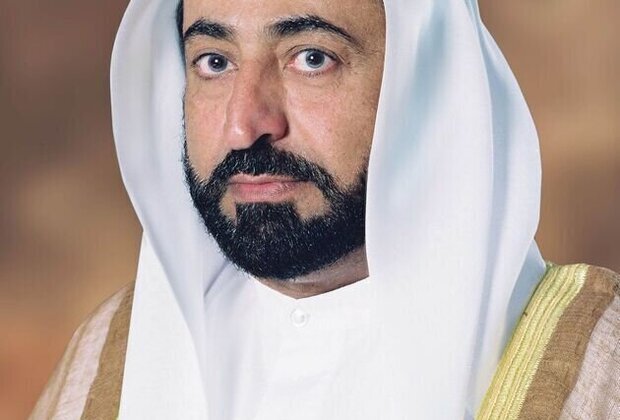
His Highness Sultan bin Muhammad Al-Qasimi has long championed culture, heritage, and environmental protection. With this new initiative, he is pushing forward a transformative idea: a city where development does not replace nature but grows alongside it.
Located on the eastern coast of United Arab Emirates along the shores of the Gulf of Oman, Khorfakkan already boasts dramatic mountains, pristine beaches, and rich history. The new project seeks to enhance these natural advantages rather than overshadow them.
A Vision Rooted in Sustainability
The concept behind the Khorfakkan Forest City is simple yet powerful: surround the city with greenery to create a healthier environment, reduce urban heat, and improve quality of life.
Unlike traditional urban expansion that often leads to deforestation and habitat loss, this plan focuses on reforestation and landscape restoration. Large areas around the city will be planted with native trees and vegetation adapted to the region’s climate.
Key sustainability goals include:
- Expanding green cover across urban and suburban areas
- Improving air quality through natural filtration
- Lowering temperatures via shade and evapotranspiration
- Protecting biodiversity in mountain ecosystems
- Promoting eco-tourism and outdoor recreation
Urban planners say such initiatives can significantly reduce the “heat island effect,” a common problem in rapidly developing cities where concrete and asphalt trap heat.
Transforming a Coastal Gem
Khorfakkan has undergone major development in recent years, including new roads, tunnels, cultural landmarks, and tourist attractions. However, the Forest City vision represents a shift from infrastructure-focused growth to environmentally driven planning.
The city’s geography makes it ideal for such transformation. Surrounded by the Hajar Mountains on one side and the sea on the other, Khorfakkan naturally forms a basin where greenery can flourish with proper water management.
Authorities are expected to develop:
- Forest belts around residential zones
- Green corridors connecting mountains to the coast
- Public parks and botanical gardens
- Walking and cycling trails through wooded areas
- Shaded community spaces
This integrated approach will allow residents to live within walking distance of nature — a rarity in many urban centers.
Why Forests Matter in Urban Planning
Forests are not just scenic additions; they are critical infrastructure for sustainable cities.
Environmental Benefits
Trees absorb carbon dioxide, produce oxygen, and trap dust particles. In arid regions, they also help stabilize soil and prevent erosion. Large-scale tree planting can improve rainfall patterns locally by increasing humidity.
Health Advantages
Numerous studies show that access to green spaces reduces stress, improves mental health, and encourages physical activity. Children growing up near parks and forests tend to have better overall well-being.
Economic Value
Green cities attract tourists, investors, and skilled workers. Eco-tourism, in particular, is one of the fastest-growing sectors globally. Hotels, resorts, and outdoor adventure businesses thrive in scenic natural settings.
The Khorfakkan Forest City project could therefore deliver long-term economic returns alongside environmental gains.
Boosting Tourism and Global Appeal
Khorfakkan is already a popular destination for beach lovers, hikers, and cruise ships. A forest-surrounded city would elevate its status as a year-round tourism hotspot.
Potential attractions include:
- Mountain forest trekking routes
- Eco-friendly resorts and lodges
- Wildlife observation zones
- Educational nature centers
- Outdoor sports facilities
Such developments could position Khorfakkan as a leading eco-tourism destination in the Middle East, competing with nature-focused destinations worldwide.
Cruise tourism may also benefit. Ships docking at Khorfakkan port could offer passengers unique excursions into forested mountains just minutes from the harbor.
Protecting Heritage While Building the Future
One of the defining features of development in Sharjah is the emphasis on cultural preservation. Khorfakkan itself has a history stretching back centuries as a trading port.
The Forest City plan is expected to complement — not replace — historical landmarks. Traditional architecture, museums, and heritage sites will remain central to the city’s identity.
By integrating nature with culture, the city could offer visitors a rare combination: ancient history set within a modern green landscape.
Infrastructure Designed for a Green City
Creating a forest-surrounded city requires more than planting trees. Infrastructure must be carefully planned to support sustainability.
Water Management
In arid climates, irrigation is a major challenge. Authorities may rely on:
- Treated wastewater reuse
- Smart irrigation systems
- Drought-resistant native species
- Rainwater harvesting in mountain areas
Transport Planning
To maintain environmental benefits, transportation systems will likely emphasize:
- Public transit expansion
- Electric vehicle infrastructure
- Pedestrian-friendly streets
- Cycling networks
Reducing car dependency will be crucial to maintaining air quality gains from the forest initiative.
Smart City Technology
Digital monitoring systems can track tree health, soil moisture, and environmental conditions. This data-driven approach ensures resources are used efficiently.
Community Impact and Quality of Life
For residents, the Khorfakkan Forest City vision could dramatically improve daily living.
Imagine neighborhoods shaded by trees, cooler temperatures during summer, and easy access to parks for exercise and relaxation. Families could enjoy picnics, outdoor sports, and nature walks without leaving the city.
Schools may incorporate environmental education programs, encouraging children to learn about conservation firsthand. Community events could revolve around outdoor spaces, strengthening social connections.
Property values in green cities often rise due to increased desirability, benefiting homeowners while attracting new residents.
Environmental Leadership in the Region
Across the Gulf, governments are increasingly investing in sustainability to prepare for a post-oil future and address climate change.
The Khorfakkan Forest City initiative aligns with broader national goals to reduce carbon emissions and protect natural resources. Large-scale tree planting also supports global environmental commitments.
If successful, the project could serve as a model for other desert cities seeking greener urban solutions.
Challenges Ahead
Despite its promise, the plan faces several challenges.
Climate Constraints
High temperatures, limited rainfall, and saline soils make large-scale forestry difficult. Selecting the right plant species and irrigation methods will be critical.
Maintenance Costs
Forests require ongoing care — pruning, watering, pest control, and fire prevention. Sustainable funding models must be established.
Balancing Growth and Conservation
As tourism increases, authorities must ensure visitor activities do not damage fragile ecosystems. Strict environmental regulations may be needed.
Urban Expansion Pressure
Rapid population growth could put pressure on green spaces if not carefully managed. Long-term planning will be essential to preserve forest areas.
Lessons from Global Green Cities
Cities around the world have demonstrated that large-scale greening projects can succeed even in challenging climates.
Examples include:
- Singapore’s transformation into a “City in a Garden”
- Seoul’s restoration of the Cheonggyecheon stream
- China’s extensive urban forest programs
These cases show that political commitment, scientific planning, and community involvement are key to success.
Khorfakkan could join this list as a pioneering green city in the Middle East.
A Symbol of Future Urban Living
Beyond practical benefits, the Forest City concept carries symbolic value. It represents a shift in how cities are imagined — not as concrete jungles but as living ecosystems.
Urban areas worldwide are rethinking development in response to climate change, pollution, and declining quality of life. Projects like this demonstrate that prosperity and environmental stewardship can coexist.
For residents and visitors alike, a forest-surrounded coastal city offers a vision of harmony between humanity and nature.
What Residents and Experts Are Saying
Early reactions to the announcement have been largely positive. Environmental experts praise the initiative as forward-thinking, while residents express excitement about improved living conditions.
Many believe the project could reduce summer heat significantly, making outdoor life more comfortable. Tourism professionals anticipate a surge in visitors seeking nature-based experiences.
However, experts also stress the importance of transparency, scientific planning, and public engagement to ensure long-term success.
Timeline and Future Outlook
While detailed timelines have not been fully disclosed, large-scale projects of this nature typically unfold over many years. Initial phases may focus on planting, infrastructure upgrades, and environmental assessments.
Over time, as trees mature and ecosystems develop, the city’s landscape will gradually transform. The full impact may take decades to realize — but the long-term benefits could last generations.
Conclusion: A Transformational Opportunity
The Khorfakkan Forest City vision is more than an urban development project; it is a bold statement about the future of cities in a changing world. By surrounding a coastal town with forests, Sharjah’s leadership is prioritizing sustainability, health, and quality of life.
If implemented successfully, the initiative could redefine urban living in arid regions and establish Khorfakkan as a global example of environmentally conscious development.
From cooler temperatures and cleaner air to economic growth and tourism potential, the benefits are far-reaching. Challenges remain, but the ambition itself signals a powerful commitment to a greener future.
For residents, visitors, and environmental advocates, the message is clear: the future city may not be built of steel and glass alone — it may grow from roots, leaves, and living landscapes.
The Khorfakkan Forest City could soon stand as proof that even in the desert, a forest can flourish — and with it, a new model of sustainable urban life.
Do follow Gulf Magazine on Instagram.
Also Read – Top Middle East Food and Beverage Industry Stories of 2025

