

Kuwait, long recognized as a cornerstone of global energy production, has recently announced a substantial increase in its crude oil output. This decision comes in direct alignment with the OPEC+ agreement, reflecting Kuwait’s strategic commitment to both regional and international energy stability. The announcement signals not only Kuwait’s ambition to optimize its oil production capacities but also its proactive role in supporting the delicate balance of the global energy market.
Over the past few years, the global oil market has witnessed significant fluctuations, driven by factors such as economic recovery, geopolitical tensions, and evolving energy consumption patterns. In this context, Kuwait’s decision to increase oil output is timely, reinforcing the country’s influence as a reliable energy supplier and highlighting its strategic foresight in navigating complex market dynamics.
Kuwait’s Strategic Oil Production Plan
Kuwait’s Ministry of Oil has outlined an ambitious plan to ramp up crude oil production. The country has already achieved a production capacity of 3.2 million barrels per day (bpd), a substantial increase from prior levels. Beginning in October 2025, Kuwait intends to produce approximately 2.559 million bpd, reflecting a careful calibration to meet OPEC+ production targets.
This increase is more than just a numerical adjustment it represents Kuwait’s broader vision of maximizing its natural resource potential while remaining a responsible member of the international energy community. By enhancing production gradually and strategically, Kuwait ensures that it does not disrupt global markets while simultaneously strengthening its own economic resilience.
Alignment with OPEC+ Objectives
The Organization of the Petroleum Exporting Countries and its allies, collectively known as OPEC+, have long played a critical role in stabilizing global oil markets. OPEC+ periodically adjusts production quotas to respond to changing market demands and geopolitical considerations. Kuwait’s recent move is in line with the group’s collective decision to gradually unwind previous production cuts and adapt to rising global energy needs.
This alignment demonstrates Kuwait’s commitment to international cooperation. By adhering to OPEC+ agreements, Kuwait not only contributes to global market stability but also reinforces the credibility of the OPEC+ framework. This cooperation ensures that production adjustments are predictable and transparent, which is crucial for maintaining investor confidence and minimizing market volatility.
Economic Implications for Kuwait
The economic benefits of increasing oil production are manifold. Oil remains the primary source of revenue for Kuwait, accounting for a significant portion of the national budget. By boosting output, Kuwait anticipates an increase in revenue streams, which can support domestic development projects, public services, and long-term economic diversification initiatives.
Additionally, higher production capacity positions Kuwait to respond effectively to global price fluctuations. In periods of high demand, the country can maximize its returns, while during market slowdowns, it maintains the flexibility to adjust production without jeopardizing economic stability. This strategic approach underscores Kuwait’s ability to balance short-term gains with long-term sustainability.
Global Market Impact
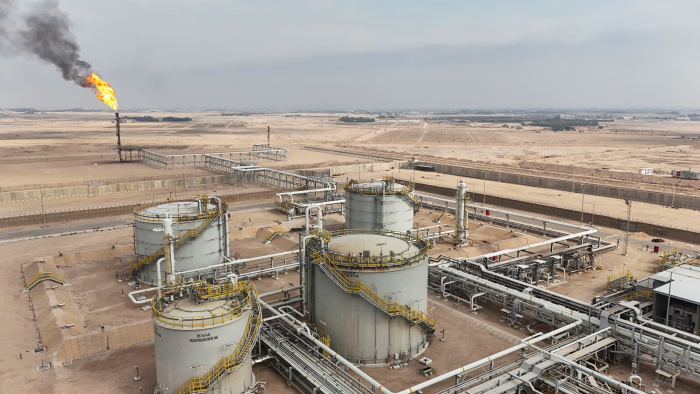
Kuwait’s oil production increase is expected to resonate across international markets. As one of the world’s top oil exporters, Kuwait plays a critical role in ensuring a stable supply of energy. Higher output contributes to meeting the growing global demand, particularly in regions experiencing rapid industrialization and economic expansion.
Moreover, the additional supply from Kuwait could help temper oil price volatility. Sudden spikes or drops in crude prices can have far-reaching economic consequences, affecting industries ranging from transportation to manufacturing. By maintaining a reliable supply, Kuwait helps stabilize global energy markets, benefiting both consumers and businesses worldwide.
Technological Advancements in Kuwait’s Oil Sector
The decision to boost oil production is also tied to advancements in Kuwait’s oil extraction and processing technologies. Over the past decade, Kuwait has invested heavily in modernizing its oil infrastructure, adopting state-of-the-art drilling techniques, and enhancing operational efficiency.
These technological improvements not only increase production capacity but also minimize environmental impact. Kuwait is increasingly focused on implementing sustainable practices within the oil sector, balancing economic growth with environmental responsibility. This approach reinforces Kuwait’s reputation as a forward-thinking energy producer committed to innovation and sustainability.
Regional Energy Leadership
Kuwait’s enhanced oil production also positions the country as a leader within the Gulf Cooperation Council (GCC) and the broader Middle East region. By maintaining high output levels while adhering to OPEC+ agreements, Kuwait sets an example for neighboring countries on balancing national interests with collective responsibility.
This leadership role extends beyond oil production. Kuwait’s strategic decisions influence regional energy policies, investment flows, and partnerships. By fostering collaboration and maintaining transparency, Kuwait strengthens its regional influence while promoting stability across energy markets that are critical to the global economy.
Balancing Domestic Needs and Global Responsibilities
While Kuwait focuses on meeting global demand, it also prioritizes domestic energy needs. The country is investing in infrastructure improvements, energy efficiency initiatives, and renewable energy projects to ensure that increased production does not come at the expense of local consumption or environmental sustainability.
Kuwait’s approach demonstrates a nuanced understanding of energy policy. By balancing domestic requirements with international obligations, the country safeguards its population’s well-being while contributing meaningfully to global energy security. This dual focus is a hallmark of Kuwait’s long-term strategic planning.
Market Predictions and Future Outlook
Industry analysts predict that Kuwait’s increased oil output will positively influence both regional and global markets. With steady production, global oil supply is expected to meet rising demand, mitigating the risk of shortages and supporting economic growth in energy-dependent nations.
Looking ahead, Kuwait plans to continue leveraging technological innovation, strategic partnerships, and OPEC+ cooperation to optimize production. The country’s commitment to adapting its energy policies to evolving market conditions ensures resilience and positions it for long-term success in a competitive global landscape.
Environmental and Sustainability Considerations
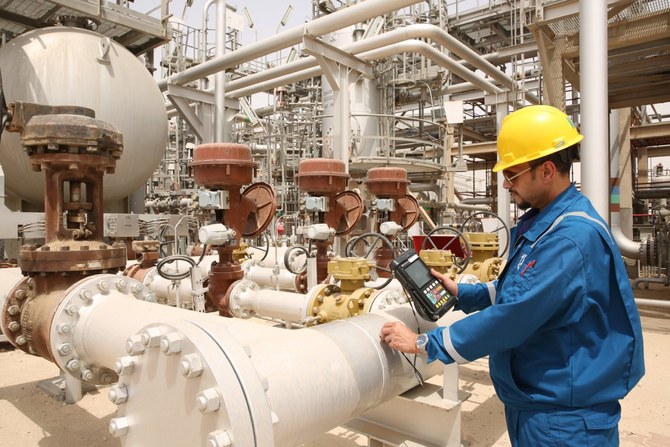
In tandem with production increases, Kuwait is taking steps to integrate environmental considerations into its energy strategy. Modern extraction methods, reduced emissions, and enhanced energy efficiency are all part of Kuwait’s commitment to sustainability.
These measures demonstrate that Kuwait’s growth is not solely focused on economic gains. By prioritizing environmental responsibility, the country aligns with global trends towards cleaner energy while maintaining its status as a major oil producer. This balance between profitability and sustainability reflects Kuwait’s vision for a resilient and responsible energy sector.
Global Energy Security
Kuwait’s production increase plays a pivotal role in global energy security. In an era of rising demand and geopolitical uncertainties, reliable oil supply is critical for economic stability. By contributing additional barrels to the market, Kuwait helps ensure that countries dependent on oil imports can access the energy they need.
This contribution enhances Kuwait’s standing in international diplomacy, positioning the country as a dependable partner in fostering economic stability worldwide. It also strengthens the global perception of OPEC+ as an effective mechanism for managing energy supply and demand.
Economic Diversification and Long-Term Planning
While oil remains central to Kuwait’s economy, the country is also focusing on long-term diversification. Increased revenues from higher oil output can support investments in non-oil sectors such as finance, technology, and infrastructure.
Kuwait’s strategic approach balances immediate economic benefits with long-term resilience. By using oil revenues to fund diversification, the country reduces dependency on a single resource while building a sustainable and innovative economic framework.
Conclusion
Kuwait’s decision to increase oil production under the OPEC+ agreement represents a thoughtful and strategic move with far-reaching implications. It reflects the country’s commitment to global market stability, economic growth, and environmental responsibility.
Through technological innovation, regional leadership, and careful policy planning, Kuwait ensures that its enhanced production benefits not only its economy but also the broader global energy market. By balancing domestic needs with international obligations, Kuwait emerges as a model of responsible energy production.
As the world continues to navigate evolving energy challenges, Kuwait’s proactive approach underscores its importance as a key player in shaping the future of global energy security. This strategy reinforces Kuwait’s role as a reliable and forward-thinking energy supplier, contributing to stability, growth, and prosperity on a global scale.
Also Read – QIMC Boosts Control with Strategic 52% Ownership in QALEX

