


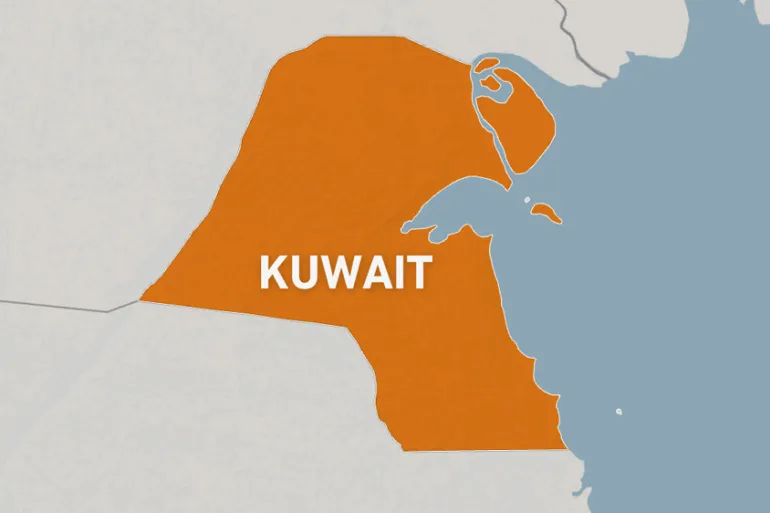
Kuwait Arrests 67 After Illegal Alcohol Tragedy Kills 23.Kuwait, a country known for its strict laws and disciplined lifestyle, was recently shaken by a heartbreaking tragedy that claimed 23 lives. The cause was not a natural disaster or a tragic accident it was illegally produced alcohol. This incident not only cost lives but also raised deep questions about safety, accountability, and the dangers of underground markets.
For the families of the victims, the tragedy was unimaginable. Many of them never thought that something as simple as drinking could end so fatally. Yet, in a place where alcohol is strictly banned, the black market created a silent danger that erupted into a national crisis.
The Swift Response from Authorities
The moment news of the deaths surfaced, Kuwait’s authorities acted with urgency and determination. Within hours, investigations began, and soon after, 67 people were arrested in connection with the illegal production and distribution of alcohol.
This decisive action was a clear message from the government: safety and justice come first. By holding individuals accountable, authorities ensured that the black market networks behind the tragedy were dismantled before they could harm more people. For many citizens, this swift response served as a reassurance that the country will not tolerate negligence or criminal profiteering at the cost of innocent lives.
Why Illegal Alcohol Exists in Kuwait
Alcohol has long been prohibited in Kuwait, as in several other Gulf nations. While this ban is rooted in cultural, religious, and social values, it has also created opportunities for underground networks to thrive. Illegal producers often operate in secret, using cheap, unsafe methods to create alcohol that poses serious risks to health.
The recent tragedy shows how dangerous such practices can be. Those who consumed the alcohol believed they were simply enjoying a forbidden indulgence. Instead, they were ingesting toxic chemicals that poisoned their bodies. This reality highlights the hidden dangers of underground markets, where profit often comes before human life.
The Faces Behind the Numbers
While the figure of 23 deaths is shocking, each of those lives carried a story. Fathers, sons, brothers, and friends are now gone, leaving families devastated. In human terms, the tragedy stretches beyond numbers. Children lost parents, parents lost children, and entire communities were left grieving.
It is easy to focus on arrests and investigations, but the heart of this tragedy lies in the personal pain endured by those left behind. This loss has made the issue even more pressing, reminding people that illegal activities are not victimless crimes they destroy families and futures.
The Larger Battle Against Underground Markets
The crackdown on 67 individuals is only one step in a much larger battle. Underground markets are not limited to alcohol; they often involve counterfeit medicines, drugs, and unsafe food items. Each poses a serious risk to society.
Kuwait’s recent actions serve as a reminder that fighting such markets requires constant vigilance. It’s not only about enforcing the law but also about protecting the people. Authorities now face the task of tightening surveillance, dismantling hidden networks, and ensuring that this kind of tragedy never repeats itself.
How Communities Are Reacting
In the aftermath, there has been a wave of conversations across Kuwaiti society. Families are urging one another to stay cautious, community leaders are calling for stronger awareness campaigns, and social circles are rethinking how curiosity and risk can lead to disaster.
The tragedy has also sparked a debate how can society balance tradition, law, and the need to protect lives? While some argue for stricter punishments, others believe more education is necessary to stop individuals from turning to unsafe alternatives in the first place.
A Lesson in Awareness and Responsibility
One of the most powerful takeaways from this tragedy is the need for awareness. Many of the victims may not have fully understood the risks they were taking. Education about the dangers of toxic, illegally produced substances is as important as enforcing the law.
This lesson also extends to responsibility not just on the part of authorities, but also individuals. Every decision carries consequences, and choosing illegal options can lead to irreversible harm. By fostering a culture of responsibility, Kuwait can protect its communities more effectively.
The Road Ahead for Kuwait
Kuwait now faces the challenge of moving forward from this dark chapter. Arresting 67 suspects was a significant step, but the future depends on long-term measures. Increased surveillance, stricter penalties for illegal trade, and broader public awareness campaigns will all be vital in preventing another tragedy.
This incident has also encouraged stronger cooperation between law enforcement and the public. Citizens are now more motivated to report suspicious activities, knowing that turning a blind eye could cost lives. The sense of unity in protecting one another has become stronger than ever.
Turning Tragedy into Strength
While the incident has been deeply painful, it has also revealed the resilience of Kuwait. The country has shown that it can act quickly, firmly, and responsibly in the face of crisis. Families, despite their grief, have found strength in supporting one another. Communities are more alert and more united.
This resilience reflects a broader truth: even in moments of tragedy, societies can grow stronger. By facing the hard realities, acknowledging the mistakes, and taking firm action, Kuwait is turning a national loss into a powerful lesson.
Conclusion: A Safer Future for All
The deaths of 23 innocent lives will never be forgotten. But through this tragedy, Kuwait has learned a crucial lesson about vigilance, responsibility, and the importance of swift justice. With 67 individuals arrested, the government has shown its determination to safeguard its people.
The tragedy is a reminder that laws are not just rules they exist to protect lives. The swift action taken in Kuwait has restored faith in justice and shown the nation’s commitment to preventing future harm. As the country looks ahead, the focus remains on healing, strengthening communities, and ensuring that no family has to endure such loss again.
Do follow Gulf Magazine on Instagram.
Also Read – Saudi Arabia Closes 84 Riyadh Businesses for Food Safety Violations

