


Kuwait water infrastructure contract developments have reached a major milestone as the country officially awards a $253 million contract for the expansion and modernization of a key water complex. The announcement marks a decisive move toward strengthening Kuwait’s long-term water security while supporting sustainable urban and economic growth. In a region where reliable access to water underpins everyday life and national stability, this project stands out as both timely and transformative.
Water has always been one of Kuwait’s most valuable resources. In a region shaped by arid conditions and growing populations, investment in modern water infrastructure is not simply a technical decision it is a strategic one. This latest contract underscores how seriously the country is treating the challenge, turning planning into action with a project of significant scale and impact.
Why This Water Complex Matters for Kuwait
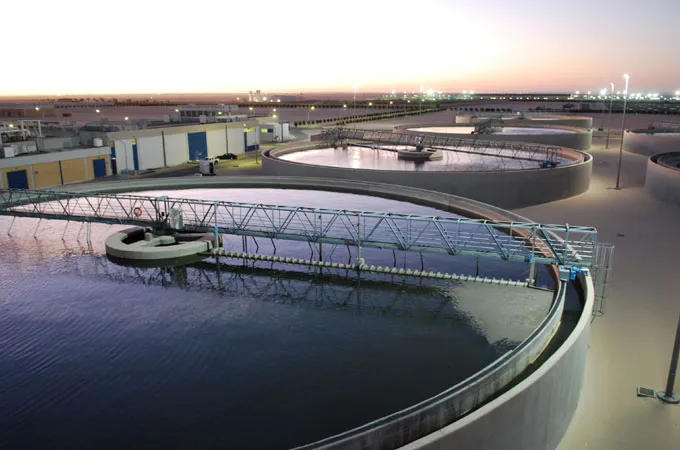
The awarded contract centers on upgrading and expanding a vital water complex that plays a key role in supplying clean and reliable water across multiple areas. As urban development continues and consumption patterns evolve, existing infrastructure faces increasing pressure. This project is designed to ease that pressure and future-proof the system.
At its core, the water complex will enhance capacity, improve efficiency, and reduce vulnerability to supply disruptions. For residents, this translates into greater reliability in daily water access. For industries and commercial zones, it means confidence that essential operations can continue without interruption. For the nation as a whole, it strengthens resilience against climate-related stresses and long-term demand growth.
Scope and Scale of the $253m Contract
Valued at $253 million, the contract is one of the more substantial infrastructure investments Kuwait has announced in the water sector in recent years. The scale of funding signals not only the physical size of the project but also its technical ambition.
The development is expected to include modern treatment facilities, upgraded transmission systems, and advanced monitoring technologies. These elements work together to ensure that water moves efficiently from source to consumer, with minimal losses and maximum quality control. By integrating newer systems, the complex will be better equipped to operate smoothly while meeting stringent performance standards.
Such a large-scale contract also reflects confidence in Kuwait’s infrastructure pipeline. It reassures stakeholders that planned projects are moving forward and that public investment remains aligned with national priorities.

Strengthening National Water Security
Water security is a cornerstone of Kuwait’s long-term development strategy. With limited natural freshwater resources, the country has historically relied on desalination and advanced treatment processes. While these systems are highly effective, they require constant modernization to remain efficient and sustainable.
The new water complex directly supports this goal. By expanding capacity and improving operational efficiency, the project reduces the risk of shortages during peak demand periods. It also provides flexibility, allowing the network to respond more effectively to emergencies or maintenance requirements without disrupting supply.
In practical terms, this means greater peace of mind for households and businesses alike. Reliable water access supports public health, economic productivity, and overall quality of life.
Economic Impact and Job Creation
Beyond its technical benefits, the $253m infrastructure contract is expected to generate meaningful economic activity. Large projects of this nature typically create jobs across multiple stages, from engineering and construction to operations and maintenance.
Local contractors, suppliers, and service providers often benefit through subcontracting opportunities, helping circulate investment within the domestic economy. Skilled professionals gain experience working on complex infrastructure systems, strengthening Kuwait’s human capital and technical expertise.
Over time, improved water infrastructure also supports economic growth indirectly. Reliable utilities make Kuwait a more attractive environment for investment, particularly in sectors that depend on stable water supply such as manufacturing, energy, healthcare, and food production.
Sustainability and Environmental Considerations
Modern water projects are increasingly judged not just by capacity, but by how responsibly they use resources. Sustainability is therefore a key element of this water complex development.
The project is expected to incorporate energy-efficient technologies and optimized processes that reduce waste and lower operational costs. Advanced monitoring systems can help detect leaks early, minimizing water loss and improving overall system performance.
Environmental stewardship is especially important in water-scarce regions. By maximizing efficiency and reducing unnecessary consumption, the project aligns infrastructure development with broader sustainability goals, balancing growth with responsible resource management.
Supporting Kuwait’s Long-Term Vision
Kuwait’s infrastructure investments are closely tied to its broader national development plans. Projects like this water complex play a supporting role in achieving long-term objectives related to diversification, resilience, and improved public services.
Reliable water infrastructure underpins almost every aspect of modern life. From housing developments and healthcare facilities to schools and commercial centers, access to clean water is non-negotiable. By prioritizing such investments, Kuwait is laying the groundwork for sustainable urban growth and social stability.
This contract also sends a clear message that essential services remain at the forefront of government planning, even as the country balances multiple economic and social priorities.
Technological Advancements in Water Infrastructure
One of the most significant aspects of the awarded contract is the opportunity to deploy advanced technologies. Today’s water complexes are no longer just mechanical systems; they are increasingly digital and data-driven.
Smart monitoring tools, automated controls, and predictive maintenance systems can significantly improve performance. They allow operators to anticipate issues before they escalate, optimize energy use, and ensure consistent water quality.
By integrating these technologies, Kuwait’s new water complex can serve as a model for future projects, demonstrating how innovation can enhance reliability while controlling long-term costs.
Benefits for Communities and Daily Life
While infrastructure projects are often discussed in technical or financial terms, their true value is felt at the community level. For residents, a strengthened water complex means fewer disruptions, stable pressure, and confidence in water quality.
Consistent access to water supports hygiene, health, and comfort in everyday life. It also reduces the stress and inconvenience that can arise from shortages or service interruptions, particularly during periods of high demand.
For growing neighborhoods and new developments, improved infrastructure ensures that expansion does not come at the expense of reliability. Communities can grow knowing that essential services are keeping pace.
Regional Context and Strategic Importance
Across the Gulf region, countries are investing heavily in infrastructure to support population growth and economic diversification. Kuwait’s $253m water complex contract positions the country firmly within this regional trend, highlighting its proactive approach to long-term challenges.
Water infrastructure, in particular, carries strategic importance. Reliable supply supports food security initiatives, industrial development, and energy production. By reinforcing this foundation, Kuwait strengthens its overall strategic position and reduces vulnerabilities linked to resource constraints.
Looking Ahead: What This Project Signals
The awarding of this contract is not an isolated event; it is part of a broader trajectory of infrastructure development. It signals that Kuwait is moving from planning to execution, translating policy goals into tangible projects.
As construction progresses and the complex comes online, attention will likely turn to performance outcomes, efficiency gains, and lessons learned. These insights can inform future investments, creating a cycle of continuous improvement in the water sector.
For observers, the project stands as a clear indicator of Kuwait’s priorities: resilience, sustainability, and readiness for the future.
A Confident Step Toward a Secure Future
Kuwait’s decision to award a $253m infrastructure contract for a key water complex reflects confidence and foresight. It recognizes water as a strategic asset and treats its management as a national priority rather than a routine utility function.
By investing at this scale, Kuwait is strengthening the systems that support daily life, economic growth, and long-term stability. The project is more than concrete and steel it is a commitment to ensuring that future generations inherit infrastructure capable of meeting their needs.
As the development moves forward, it will stand as a reminder that smart investment in essential services is one of the most powerful ways a nation can secure its future.
Do follow Gulf Magazine on Instagram.
Also Read – OQ Commissions the Ladayn Polymer Programme at Suhar Industrial City, Oman

