

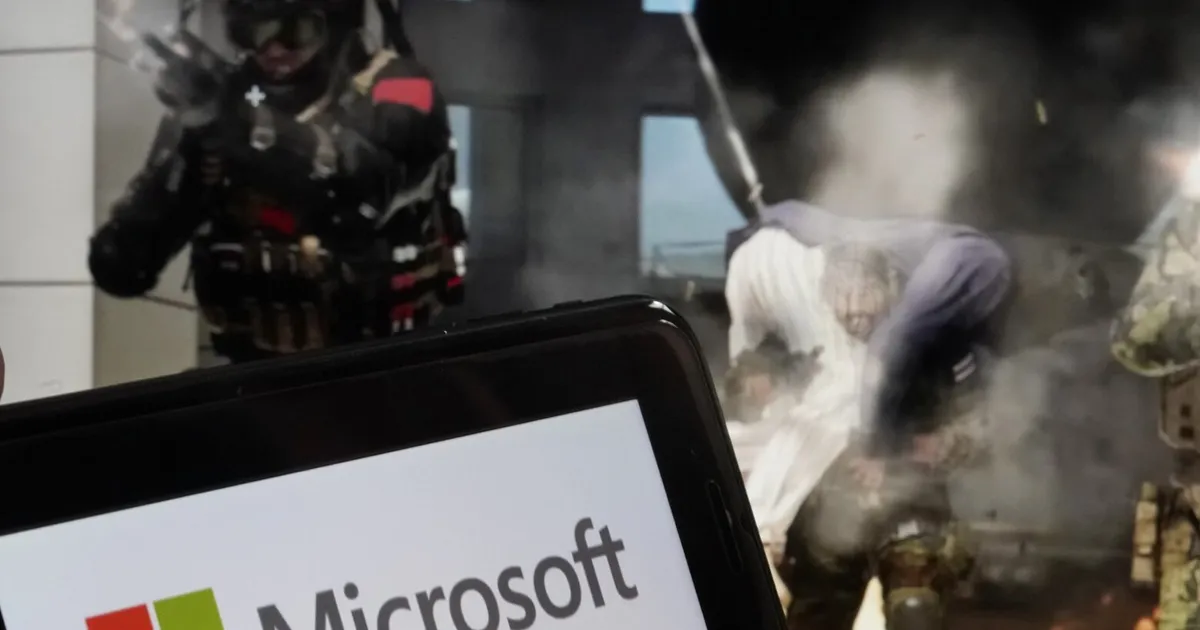
In a move reflecting the enduring sensitivities surrounding the Gulf War, Kuwait has banned the release of the highly anticipated video game Call of Duty: Black Ops 6. The decision comes just days before the game’s scheduled global launch on October 25, 2024. Developed by Activision, a subsidiary of Microsoft, the game is set during the early 1990s and features portrayals of significant historical figures and events, including the late Iraqi dictator Saddam Hussein and the Gulf War.
The ban has sparked debates among gamers, historians, and industry analysts. While some argue that the game’s content serves as a historical reference, others believe it crosses a line by depicting events that remain deeply painful for Kuwaitis. This incident has once again highlighted the challenges game developers face when incorporating real-world history into entertainment.
Historical Context: The Gulf War’s Impact on Kuwait
The Gulf War remains a profoundly sensitive chapter in Kuwait’s history. On August 2, 1990, Iraq, under Saddam Hussein’s leadership, invaded Kuwait, leading to a brutal occupation that lasted until February 1991. The invasion resulted in significant loss of life, economic devastation, and environmental catastrophes, notably the setting ablaze of over 700 Kuwaiti oil wells by retreating Iraqi forces. These events have left an indelible mark on the nation’s collective memory.
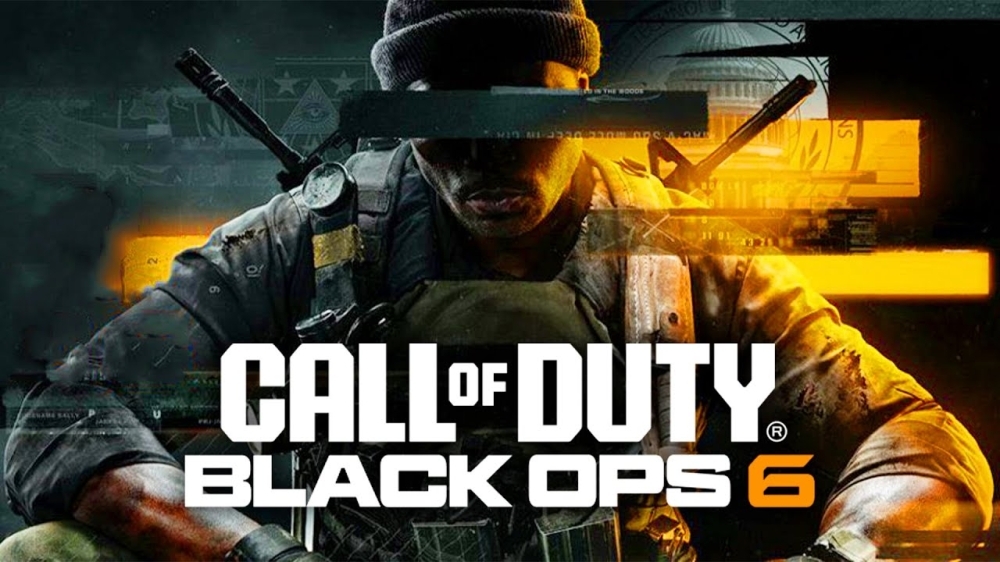
For Kuwaitis, the Gulf War is not just history; it is a painful wound that still influences the country’s political, social, and cultural landscape. The war led to the intervention of a U.S.-led coalition, which successfully expelled Iraqi forces. However, the destruction left behind took years to repair, and the trauma of the invasion continues to shape Kuwait’s national consciousness.
Contentious Depictions in Call of Duty: Black Ops 6
Call of Duty: Black Ops 6 immerses players in covert missions set against the backdrop of the Gulf War. Promotional materials and trailers for the game include representations of Saddam Hussein and scenes reminiscent of the 1990 invasion, such as burning oil fields. These depictions are particularly evocative for Kuwaitis, as they mirror the traumatic events experienced during the Iraqi occupation.
The Call of Duty franchise has often been known for its use of real-world conflicts and political narratives. While many players appreciate the historical storytelling elements, critics argue that certain depictions can be insensitive, particularly when they touch upon events that caused significant human suffering. In Kuwait, the portrayal of Saddam Hussein—a figure widely condemned for war crimes against the country—has been seen as particularly offensive.
Activision’s Response to the Ban
Activision has acknowledged Kuwait’s decision to prohibit the game’s release. In an official statement, the company announced that all pre-orders within Kuwait would be canceled and refunded. Activision expressed hope that local authorities might reconsider their stance, emphasizing their desire for Kuwaiti players to experience the latest installment in the Black Ops series.
Despite the ban in Kuwait, the game is still set for release in other countries, including neighboring Gulf nations. However, this incident raises questions about whether other governments in the region might follow Kuwait’s lead in banning or censoring aspects of the game.
Official Silence and Public Speculation
As of now, Kuwaiti authorities have not provided an official explanation for the ban. This silence has led to widespread speculation among gamers and analysts. Many believe that the game’s portrayal of Saddam Hussein and the Gulf War is the primary reason for its prohibition, given the lasting scars these events have left on the nation.
The lack of an official statement has also fueled debates online, with some defending Kuwait’s right to regulate content that could be deemed offensive to its citizens, while others argue that such bans limit artistic and historical expression. Social media has been abuzz with discussions, with many Middle Eastern gamers voicing mixed opinions on the matter.
Broader Implications and Industry Challenges
The ban highlights the ongoing challenges faced by video game developers in navigating historical and cultural sensitivities. The Call of Duty franchise has previously encountered similar issues; for instance, certain installments have been banned or censored in countries like China and Russia due to their content.
For developers, striking a balance between historical accuracy and cultural sensitivity is a growing challenge. Video games are increasingly becoming a form of digital storytelling, blending entertainment with historical narratives. However, the way these narratives are portrayed can lead to backlash, particularly in regions with strong historical connections to the events being depicted.
Another factor at play is the global nature of the gaming industry. While Western audiences may view historical war games as a means of engagement with past conflicts, audiences in regions directly affected by these events may see them as exploitative or insensitive. This divide presents a dilemma for game studios: Should they alter content to appease certain markets, or should they uphold creative freedom at the risk of alienating certain audiences?
Previous Call of Duty Controversies
This is not the first time a Call of Duty game has faced censorship or bans due to its depiction of real-world conflicts. The franchise has had multiple instances where national governments intervened due to perceived political, historical, or cultural concerns.
For example, Call of Duty: Modern Warfare faced backlash in Russia for portraying Russian soldiers as aggressors in a fictionalized conflict. Similarly, Call of Duty: Black Ops was censored in China due to its portrayal of historical events that did not align with the Chinese government’s official stance.
These incidents illustrate the fine line game developers must walk when dealing with politically sensitive content. While some audiences appreciate realistic depictions, others see them as distortions of history or as attempts to push particular narratives.
Conclusion
Kuwait’s decision to ban Call of Duty: Black Ops 6 serves as a poignant reminder of the enduring impact of historical events on contemporary society. It also reflects the complexities involved in global media distribution, where content that is acceptable in one region may be deemed inappropriate in another due to cultural and historical contexts.
As the gaming industry moves forward, it will need to continue addressing these challenges, ensuring that content resonates with global audiences while remaining sensitive to local histories and sentiments. The controversy surrounding Black Ops 6 underscores the broader debate over how history should be represented in entertainment media and who gets to control these narratives. While the ban may frustrate some gamers, it also raises important discussions about the responsibility of game developers in shaping historical discourse.
Moving forward, developers may need to work more closely with cultural experts and historians to ensure that their portrayals of real-world events are both accurate and respectful. Whether Kuwait’s ban will influence other countries to take similar actions remains to be seen, but it is clear that the intersection of gaming, history, and politics will continue to be a contentious space in the years to come.

