

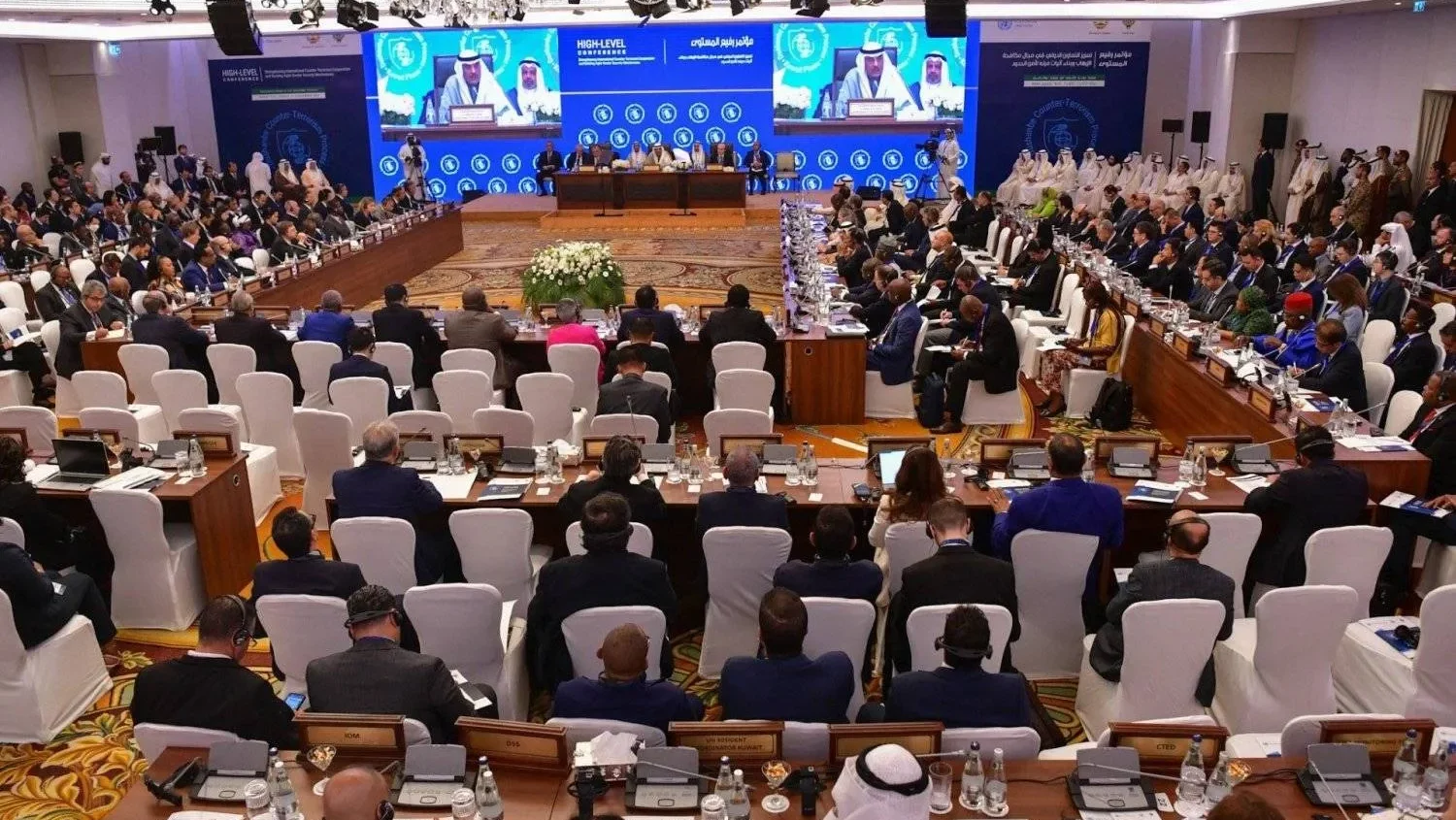
The world is watching, and it is listening. In a powerful address at the United Nations, the State of Kuwait reminded the global community that education is not a luxury; it is a lifeline in times of conflict. Kuwait’s message was clear and hopeful: even amid war and crisis, every child deserves the right to learn, to thrive, and to build a future.
Education as Light and Foundation
When the Kuwaiti diplomat stepped to the podium, she spoke of education as “the light that dispels the darkness of ignorance and fear,” and as “the foundation upon which peace and development are built.” In the midst of wars where schools are destroyed, teachers displaced and classrooms silenced, this message resonates deeply.
Kuwait’s perspective is grounded in both principle and real action. The country underscored that education must remain inviolable even in armed conflict because when schools fall silent, entire futures fall apart. In the address, Kuwait pointed to educational institutions damaged or used for military purposes and called for international cooperation to ensure that educational spaces remain safe sanctuaries of learning.
The Global Crisis Facing Education
What Kuwait highlighted is not abstract: education systems are being battered worldwide by crisis after crisis. Conflict zones have seen dramatic rises in attacks on schools, teachers and students. Displaced and refugee children, particularly in the Middle East and Africa, are among the most vulnerable. The UNESCO and UNICEF frameworks show that the longer children remain out of school, the harder it becomes for them to recover.
This means huge losses, not just individual learning losses, but lost potential for whole societies. When a child misses school, communities lose a future builder. When entire schools shut down, societies lose hope. Kuwait’s message reminds us that protecting education is not just a humanitarian act; it is an investment in human stability, peace and development.
Kuwait’s Role and Commitment
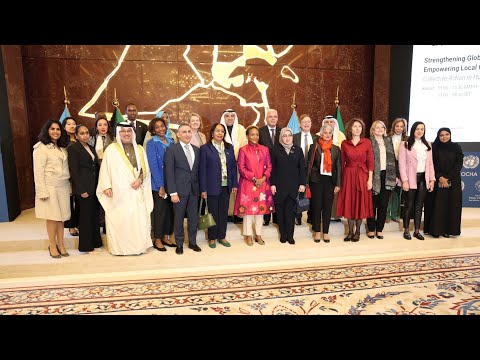
Kuwait isn’t simply speaking; it is committing. The country has prioritized education in its humanitarian and development aid, focusing on regions that face severe conflict-related disruptions. Kuwait also called on the international community to dedicate more funding and integrate educational protection into peacekeeping and reconstruction efforts. In other words, education must be a central pillar of any post conflict recovery and should not be sidelined.
Further, Kuwait referenced existing global frameworks such as the Safe Schools Declaration, which commits signatories to protect educational institutions from military use and attacks. By pointing to such instruments, Kuwait underlined that protecting education during conflict is a matter of policy, legal responsibility and moral obligation.
Why This Matters to Everyone
You may be thinking this sounds like global politics, far removed from daily life. But the truth is that protecting education during conflict impacts us all. Here’s why:
- Human rights – Education is a fundamental human right. When it is denied, we fail humanity.
- Peace and development – Societies that educate their young are better equipped to resolve conflict, innovate and grow. Education is a building block of peace.
- Global stability – When children in one part of the world are denied education, the ripple effect touches us all. Societies with large populations of uneducated youth are more vulnerable economically, socially and politically.
- Moral responsibility – Every child deserves the chance to learn. When schools are destroyed or repurposed for conflict, we lose not only buildings but hope, dreams and futures.
Kuwait’s call reminds us that no child should be excluded, regardless of where they live or the chaos around them. When a child holds a book instead of a weapon, the world takes a step toward hope.
What Needs to Be Done
Turning Kuwait’s vision into reality demands concrete actions. Some of the key steps include:
- Strengthen protection of educational institutions in conflict zones. Schools should be recognized as safe zones, not military targets.
- Secure increased funding for education in emergencies. When crises strike, education is often the first service cut, but budget cuts undermine entire generations.
- Build resilient education systems that can adapt to disruption. Distance learning, community based schooling, and mobile classes can help sustain learning when classrooms are lost.
- Hold perpetrators accountable for attacks on education. Institutions used for warfare or attacks on teachers and students must not go unaddressed.
- Integrate education into peacebuilding and reconstruction. Rebuilding schools is as vital as rebuilding roads. Education restores dignity, agency and a sense of normalcy.
Kuwait’s position emphasizes that education must be central, not peripheral, to humanitarian response and recovery. It carries the message that protecting schools is as important as protecting hospitals or water supplies.
A Vision for the Future
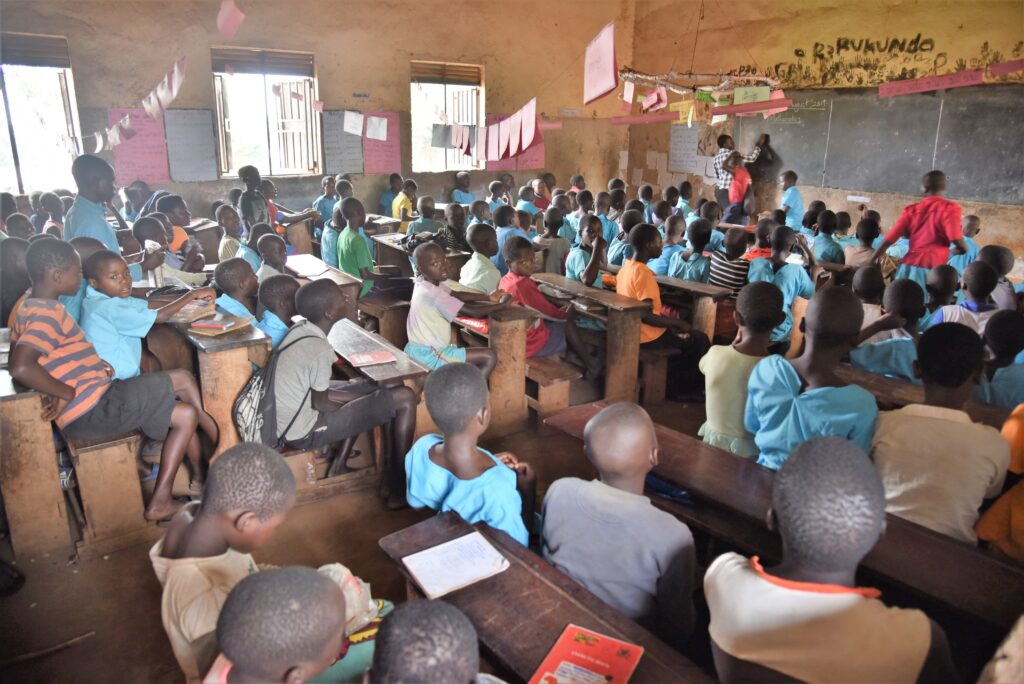
Imagine a future where every child, regardless of the conflict around them, can sit at a desk, open a book and dream of tomorrow. That is the vision Kuwait shared. A world where the sound of laughter, not the whistle of bombs, echoes through classrooms; where teachers are honoured, not endangered; where learning is the default and survival the exception.
Yes, the challenges are enormous. Wars rage, budgets shrink, displacement surges. But the power of education is immense, and history shows that societies rebuilt on learning, inclusion and opportunity tend to blossom.
Kuwait’s appeal is more than diplomatic rhetoric; it is a call to the global community, to governments, to institutions and to citizens: let us treat education as the resilient lifeline it is. Let us safeguard it when times are darkest so its light guides generations ahead.
What We Can Do
Even if we live far from war zones, we can support this mission. We can raise awareness about the importance of protecting education in conflict. We can support NGOs working to rebuild schools. We can advocate for stronger international frameworks to hold attackers of education accountable. We can volunteer, donate, and speak up. Every voice adds up.
For you as a student, as a young person with dreams, it also means something deeply personal. It means that you have a stake in the global fight for education. Your right to learn and to speak, act and create depends on global systems that recognize and protect that right. And when a student far away is denied school, the shockwaves eventually reach us all.
Closing Thought
Kuwait’s urgent plea at the United Nations invites a moment of reflection and action. When education falters, humanity falters. When schools shut, we don’t just lose buildings, we lose hope, potential and futures. But when we protect education, especially amid conflict, we do more than save a class; we save a generation.
Let this be our shared commitment: to stand for learning when others silence it, to stand for peace when others wage war, to stand for tomorrow when today is in turmoil. Because education is not a byproduct of peace; it is its greatest ally.
Do follow Gulf Magazine on Instagram.
Also Read – Ministry Launches Powerful Probe Into School Book Supply

