

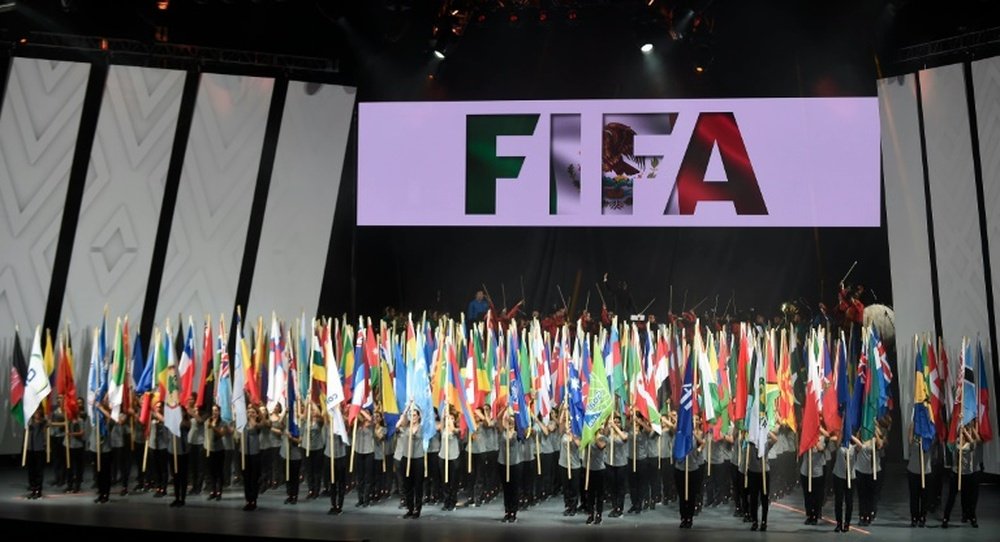
Football has always been more than just a sport in Indonesia. It carries the emotions of millions, reflects the national spirit, and unites fans from different walks of life. When news broke that Kuwait had cancelled a highly anticipated friendly match against Indonesia, frustration and disappointment spread quickly. What was supposed to be a promising contest turned into a diplomatic and sporting issue, leaving Indonesia with no choice but to prepare an official complaint. This incident not only stirred debates in the footballing world but also highlighted deeper issues of respect, sportsmanship, and international cooperation.
The Cancelled Match
The match between Indonesia and Kuwait was eagerly awaited by football fans. Both nations were preparing to showcase their squads, test new strategies, and offer fans an evening of competitive football. For Indonesia, this match carried special weight, as it was an opportunity to measure its progress against a strong Middle Eastern side. However, just days before the event, Kuwait announced its sudden cancellation.
The abrupt decision left not only the Indonesian team but also the supporters and organizers shocked. Preparations had been in full swing, and thousands of fans had planned to attend or watch the game live. The lack of a proper explanation made matters worse, sparking anger and disappointment in Indonesia.
Why Indonesia Is Filing a Complaint
For Indonesia, this is not just about a cancelled game it is about fairness, commitment, and respect. Football federations across the world sign agreements and set schedules months in advance to ensure professionalism. By cancelling at the last moment, Kuwait disrupted not only Indonesia’s plans but also disrespected the efforts of players, coaches, and fans.
Indonesia sees this as an issue that must be addressed officially. Filing a complaint is not simply about seeking justice but also about setting an example. If such cancellations go unchecked, smaller footballing nations could repeatedly face similar treatment. Indonesia wants to make it clear that its football federation deserves the same respect as any other.
The Fans’ Reaction
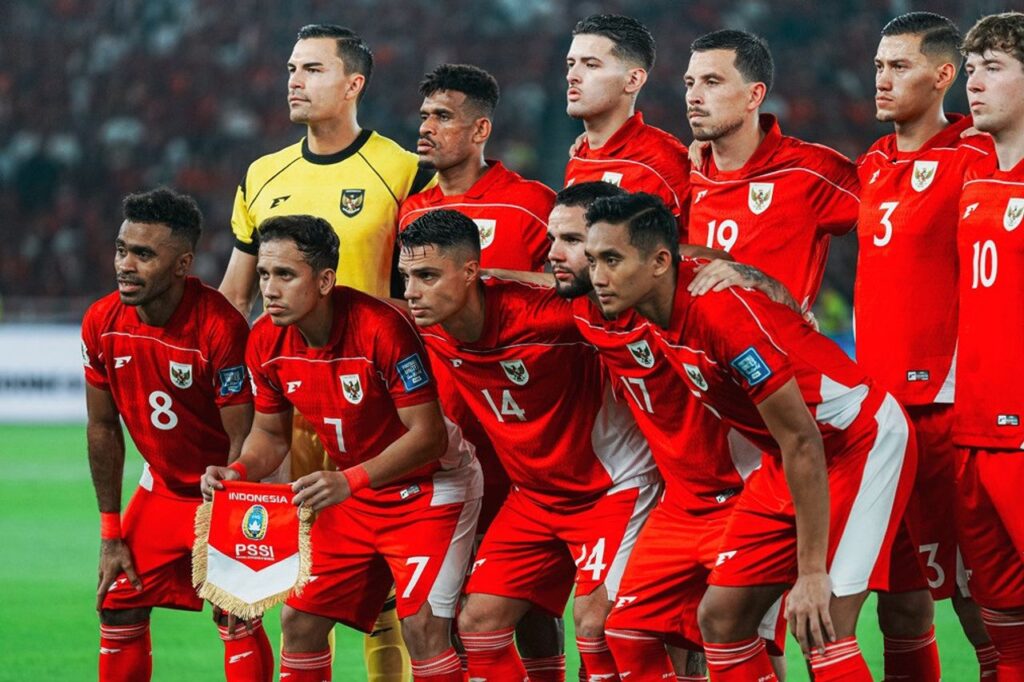
Indonesian fans are known for their unmatched passion. They pack stadiums with chants, flags, and roaring energy, turning every match into a celebration of national pride. The cancellation felt like a personal insult to many supporters. Social media was flooded with criticism, questions, and emotional outbursts. Fans demanded accountability and urged their federation to stand firm.
At the same time, the cancellation also united the fans. Instead of letting disappointment weaken their spirit, many came together to support the team and encourage the federation to take a strong stance. For them, this issue is not just about missing a football match but about Indonesia being respected on the global stage.
The Players’ Perspective
For the Indonesian players, the cancellation was equally frustrating. Friendly matches provide valuable international experience, giving them the chance to face opponents with different playing styles. For young players especially, this was a golden opportunity to prove themselves. Training camps had been designed with this match in mind, and strategies had been built around facing Kuwait.
When the news arrived, many players felt their hard work had gone to waste. Instead of letting the disappointment break their spirit, however, most players have expressed determination to move forward. They are using the incident as motivation to train harder and prepare for future challenges.
Football Diplomacy and Respect
Football has long served as a form of diplomacy, bridging nations through sport and creating cultural connections. When one side cancels at the last moment, it not only hurts the sporting spirit but also undermines that diplomatic bond.
For Indonesia, this incident represents more than a cancelled game. It is about demanding fairness in football relations. Smaller or developing football nations often struggle to be treated with the same seriousness as larger ones. By filing a complaint, Indonesia is sending a message: respect must be mutual, and agreements in football must be honored.
The Path Forward
Indonesia’s decision to file a complaint is both a symbolic and practical step. Symbolically, it shows the world that Indonesian football will not be ignored or disrespected. Practically, it ensures that the matter is officially addressed, setting a precedent for future international engagements.
The Indonesian Football Federation will likely push for an explanation, seek compensation for financial and logistical losses, and demand accountability from Kuwait. Beyond that, the federation may also use this opportunity to strengthen ties with other footballing nations, ensuring more reliable fixtures in the future.
Global Reactions
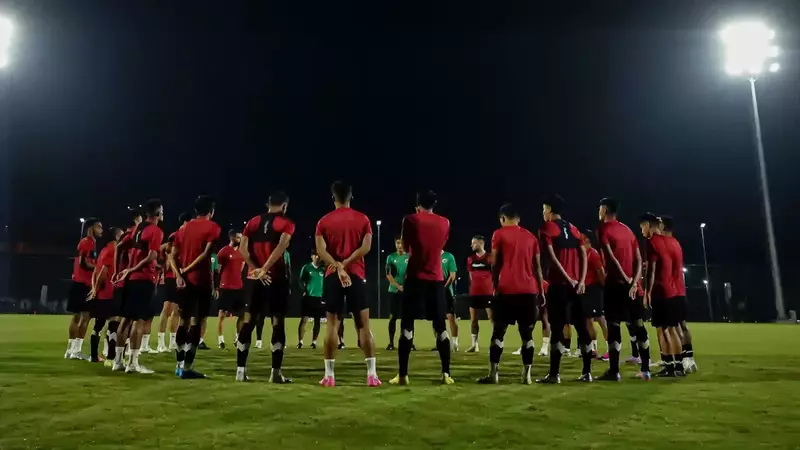
The cancellation and Indonesia’s firm response have drawn attention from international football communities. Many observers see this as an important moment for Asian football. If Indonesia’s complaint is taken seriously, it could encourage more fairness in scheduling matches across the continent.
Other nations, particularly those who have faced similar issues in the past, are likely to support Indonesia’s stance. At the same time, Kuwait may face pressure to explain its actions and ensure that such incidents do not damage its reputation in international football.
The Bigger Picture
While the cancellation is unfortunate, it also highlights how far Indonesian football has come. A decade ago, such a cancellation might have been ignored. Today, Indonesia has the confidence to challenge such treatment. This reflects the nation’s growing presence in football and its determination to be recognized as a serious competitor.
Moreover, this episode shows the deep connection between football and national identity. For Indonesia, football is more than a sport it is a symbol of unity, pride, and international standing. By taking a stand, the country is not only defending its football federation but also reinforcing its national dignity.
What This Means for Indonesian Football
In the short term, the cancellation leaves a gap in Indonesia’s preparation schedule. Coaches will have to reorganize training and find alternative matches. In the long term, however, the incident could actually benefit Indonesian football. It may encourage the federation to build stronger partnerships, secure more reliable fixtures, and demand respect on the international stage.
For the players, this could become a turning point in motivation. Facing unfair treatment often fuels determination. Many players will now feel a stronger responsibility to represent their nation proudly and prove themselves against any opponent.
Conclusion
The cancellation of the friendly match between Indonesia and Kuwait has sparked disappointment, anger, and frustration. Yet, Indonesia’s decision to file a complaint shows strength, dignity, and determination. This is not simply about a football game it is about respect, fairness, and national pride.
By standing firm, Indonesia is sending a message to the footballing world: agreements must be honored, smaller nations deserve respect, and passion for the sport cannot be undermined. For the fans, the players, and the nation as a whole, this episode will be remembered not as a setback but as a powerful reminder that Indonesia’s voice in football is growing stronger every day.
Do follow Gulf Magazine on Instagram.
Also Read – Oman Golden Residency: A Game-Changer for Investors and Economy

