

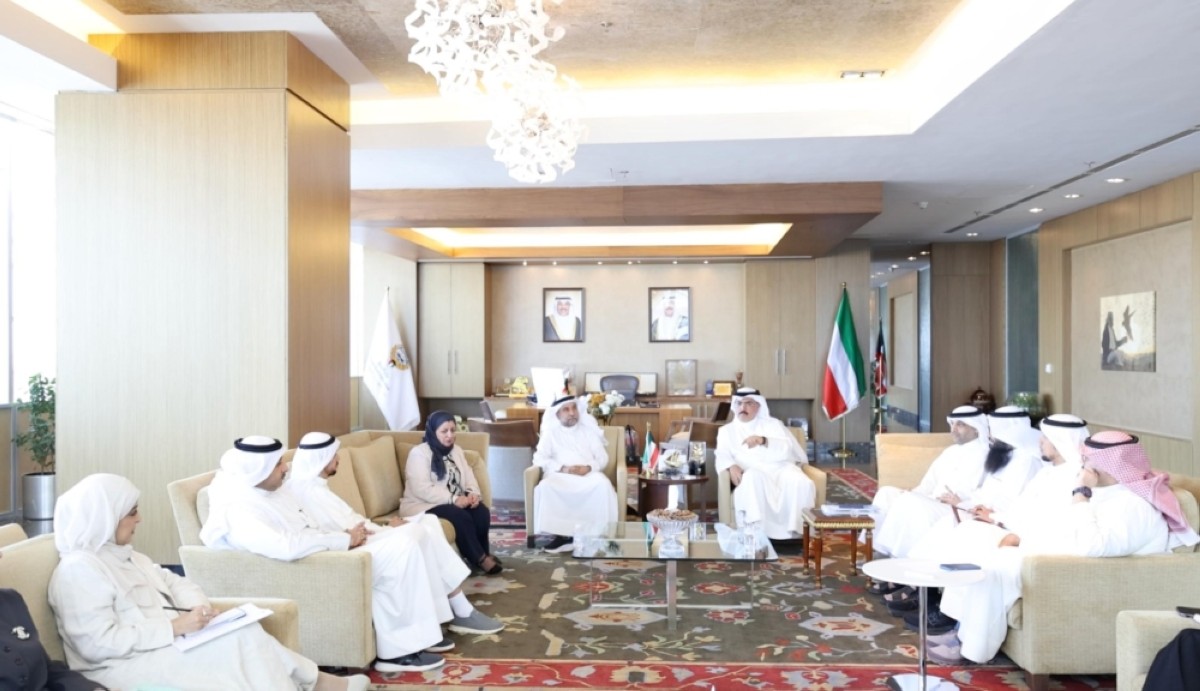
The Ministry of Education in Kuwait has taken a bold and constructive step by ordering a comprehensive review of schoolbook printing practices ahead of the 2025–2026 academic year. Under the leadership of Education Minister Jalal Al-Tabtabaei, this initiative reflects a strong commitment to strengthen transparency, improve efficiency, and ensure that every student benefits from timely and high-quality learning resources.
A Clear Call to Accountability
In an official decision, the Ministry established a neutral investigation committee tasked with examining around 115 individual printing and supply practices for school textbooks. This move is more than procedural it signals a determination to hold the system accountable, ensure tendering processes are fair, and guarantee that students receive the textbooks they need on time.
The committee’s mandate is rigorous: to review technical specifications of printing contracts, check compliance with eligibility criteria, evaluate reasons for excluding bidders, and monitor the performance of selected printing houses against timelines and quality standards.
This isn’t merely a check-box exercise. It represents a cultural shift a commitment to integrity in the heart of the education process, where every textbook journey from tender to classroom matters.

Why This Matters for Students and Teachers
Textbooks are a cornerstone of learning. When printing schedules slip, when contract irregularities arise, or when time and quality aren’t safeguarded, the impact ripples across classrooms. Students may receive books late, teachers may struggle with outdated or incomplete materials, and learning momentum can be lost.
By launching this review, the Ministry is addressing those risks. Ensuring procurement is clean and delivery is prompt means that teachers can plan effectively, and students can engage with well-prepared materials from day one. It’s a positive turnaround that aligns administrative diligence with classroom realities.
Strengthening Trust Through Process Reform
Trust is hard to build and easy to lose. With past concerns over irregularities in printing and supply, making this process transparent helps rebuild confidence among parents, educators, and the public.
The committee is required to operate under confidentiality to safeguard the integrity of its work. It has the power to investigate administrative or financial violations and will report its findings directly to the minister.
This sets an example: when leadership calls for openness, when rules are applied to everyone, and when students’ learning needs are the priority, the system begins to reflect the values it aspires to uphold.
Implications for Efficiency and Quality
Beyond accountability, this review is expected to deliver real, tangible benefits:
- Improved Timelines: Ensuring that printing and delivery of textbooks follow clear schedules means fewer disruptions and more consistency in the classroom.
- Better Value for Money: Reviewing contracts to ensure competitive bidding and adherence to specifications helps protect public funds and ensure better materials for every student.
- Enhanced Printing Standards: Verifying that selected printers meet all technical, legal, and quality conditions raises the bar for textbook production.
- Reduced Uncertainty for Schools: When textbooks arrive as expected and meet standards, schools can focus on teaching—not scrambling to compensate for delays or poor materials.
All of this contributes to a smoother academic experience and helps create an environment where learning is uninterrupted, predictable, and supported.

A Strategic Step for Educational Reform
This initiative arrives at a significant moment in Kuwait’s broader education transformation. The ministry has already moved to lighten school-bag loads, split large textbooks into smaller parts, and overhaul curricula to better align with international benchmarks while retaining national identity.
The printing-supply review is therefore not an isolated effort it complements these broader reforms. It shows that attention is being paid not just to what is taught (curriculum) or how it is taught (methodology), but also to the materials students use, how they arrive, and how reliably they support learning. When all these elements align, the impact is greater than the sum of the parts.
What Stakeholders Should Watch
As this review proceeds, several factors will determine its success:
- Communication: Schools, teachers, and stakeholders should be kept informed about any changes in textbook delivery, print schedules, or supplier transitions. Clear communication reduces confusion.
- Implementation Follow-through: It’s one thing to review contracts, but another to ensure the findings lead to action—contract rescinding, supplier changes, or improvements in procurement guidelines.
- Teacher Preparedness: If textbooks are delayed or changed, teachers must be supported with guidance, training, or contingency plans to maintain classroom continuity.
- Feedback Loops: Schools and teachers should have mechanisms to report issues with textbooks—poor print quality, incorrect content, late delivery and expect prompt responses.
- Monitoring and Evaluation: Once textbooks are delivered, the ministry should monitor how well the materials support teaching and learning and adjust processes in future years based on what works and what doesn’t.
If managed well, this review can become a template for how operational efficiency and educational quality go hand in hand.
A Vision for Every Learner
At its heart, this reform is about the student the individual child or young person sitting in a classroom with a textbook in hand, ready to engage, learn, and grow. It’s about ensuring that the tools of education textbooks, learning materials, and supplies are reliable, well-designed, delivered on time, and aligned with the mission of learning.
For teachers, it means fewer logistical hurdles, clearer expectations, and the opportunity to focus on teaching rather than managing material shortfalls or scrambling for replacements. For parents and communities, it means seeing their schools operate with efficiency, fairness, and integrity.
This isn’t just administrative housekeeping it’s a statement of belief that education matters, that every detail—from the bidding process to the classroom matters, and that every student deserves more than mediocrity. The Ministry’s decision to review printing practices is a clear step in that direction.
Looking Ahead: From Review to Real Change
The committee’s term is set for one month from its first meeting, though extensions may be requested if necessary. At the end of that term, a detailed final report will be submitted to the minister with findings and recommendations for legal and administrative action.
What happens next will be key:
- Will the recommendations lead to swift contract corrections, supplier replacements, or improved procedures?
- Will the ministry publish or share outcomes in a way that builds public trust?
- Will future textbook print-runs show improvements in delivery, quality, and cost-effectiveness?
These are the markers of whether this effort will simply be a good idea or a lasting legacy of meaningful reform.
Final Thought: A Positive Direction for Education
Reforming the procurement and printing of textbooks may not be the most glamorous part of education, but it is foundational. When plans, contracts, and quality assurance align, the classroom becomes more stable, predictable, and focused on learning rather than logistics.
By ordering this review, the Ministry of Education in Kuwait has sent a powerful message: that even the smallest details matter, that every child’s learning environment deserves attention, and that transparency and integrity are not optional they are essential.
The real reward will be seen when students pick up textbooks on time, when teachers begin their lessons without delay, and when the administrative machinery behind the scenes runs smoothly. In that moment, the reform will have truly succeeded.
Do follow Gulf Magazine on Instagram.
Also Read – Qatar Champions Gulf Pension Progress with Dynamic GCC Meeting

