

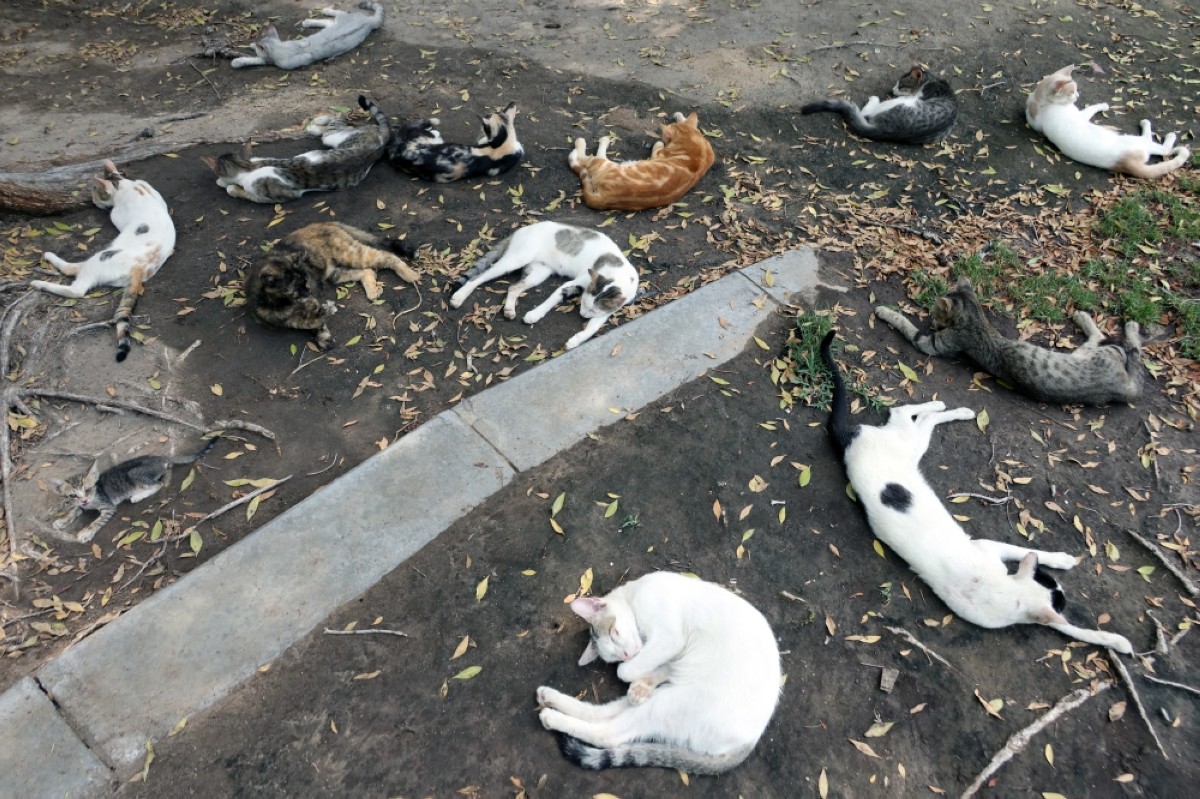
In a significant move to enhance urban cleanliness and public health, Kuwait has introduced a regulation imposing fines of up to 500 Kuwaiti Dinars (approximately $1,625) on individuals who discard food in public areas, even with the intention of feeding stray animals.
This decision highlights the nation’s commitment to environmental protection and responsible waste management.
Understanding the New Regulation
The Environment Public Authority (EPA) of Kuwait has clarified that feeding stray animals in public spaces by leaving food behind is considered a violation of Environmental Protection Law No. 42 of 2014, as amended by Law No. 99 of 2015.
Specifically, Article 33 of the law prohibits the disposal of any waste outside designated containers. Violators of this regulation now face fines up to 500 Kuwaiti Dinars.
Rationale Behind the Decision
While the act of feeding stray animals is often seen as compassionate, the EPA emphasizes that such practices can lead to hygiene issues, attract pests, and contribute to environmental degradation.
Improper disposal of food waste can create unsanitary conditions, posing risks to public health and the environment.

Encouraging Responsible Behavior
To promote responsible behavior, the EPA urges residents to use designated waste containers for food disposal.
Individuals concerned about the welfare of stray animals are encouraged to support organized feeding programs coordinated by charitable groups and local organizations. These initiatives ensure that animals are fed safely without compromising public hygiene.
Public Reaction and Awareness Campaigns
The announcement of this regulation has sparked mixed reactions among the public.
Many residents support the initiative, recognizing the importance of maintaining cleanliness in public spaces, while others express concern about the potential impact on stray animals.
In response, the EPA has launched awareness campaigns to educate the public about the new regulation and its rationale. These campaigns inform residents about the environmental and health risks associated with improper food disposal and encourage responsible behavior.
Enforcement and Penalties
To ensure compliance, the EPA has outlined clear enforcement measures.
Individuals caught violating the new regulation may be fined up to 500 Kuwaiti Dinars. Repeat offenders or those causing significant environmental harm could face more severe penalties, including increased fines or other legal actions.
The EPA also emphasizes the role of community members in reporting violations, encouraging residents to contribute to collective efforts in maintaining public cleanliness.

Broader Implications for Environmental Protection
This move aligns with Kuwait’s broader environmental protection goals, including reducing pollution, conserving resources, and promoting sustainable practices.
By addressing food littering, the EPA aims to mitigate adverse effects of waste on urban ecosystems and public health. Experts suggest that similar regulations could benefit other regions facing challenges related to public cleanliness and environmental degradation.
Implementing such measures requires a balanced approach, considering both the welfare of animals and the health of the community.
Conclusion
Kuwait’s decision to impose a KWD500 fine for throwing food in public spaces marks a significant step toward fostering environmental responsibility among its residents.
While the regulation addresses public cleanliness and health concerns, it also highlights the need for compassionate solutions to support stray animals.
As the community adapts to these changes, ongoing dialogue and education will be crucial in achieving a harmonious balance between environmental protection and animal welfare.
Do follow Gulf Magazine on Instagram.
Also Read – Kuwait’s Delivery Apps Revolutionize Dining Despite Rising Costs

