

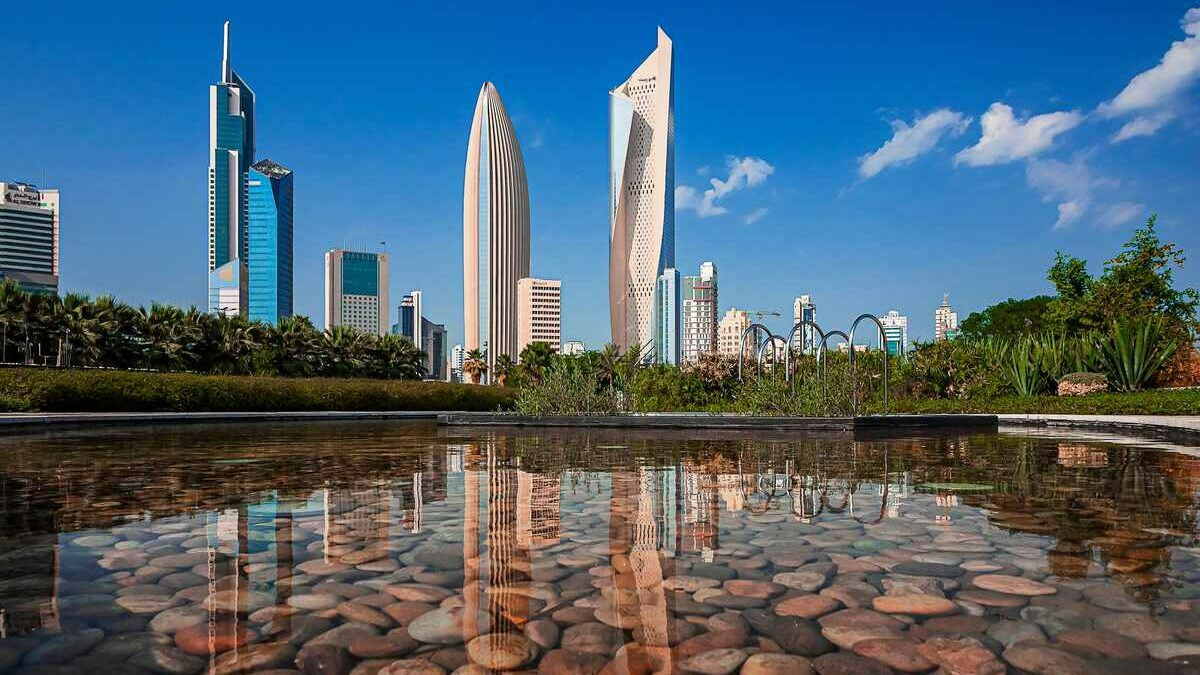
The dynamic landscape of Kuwait is witnessing a remarkable transformation, driven by robust infrastructure development that is acting as a catalyst for real estate growth. With an ever-increasing demand for residential and commercial properties, the synergy between infrastructure advancements and real estate expansion is more crucial than ever. This article delves into how Kuwait’s investment in infrastructure is not just enhancing the quality of life for its residents but also propelling the real estate market to new heights.
Understanding the Infrastructure Boom in Kuwait
Kuwait’s government has recognized the importance of a solid infrastructure foundation to support economic diversification and urban development. Massive investments in roads, utilities, public transport, and telecommunications are reshaping the nation’s landscape. The government’s vision aims to create a modern, efficient environment conducive to both business and residential lifestyles.
The infrastructure projects currently underway or planned are monumental. These include the development of new road networks, the expansion of the Kuwait International Airport, and the construction of urban facilities that enhance connectivity. Such developments are not only increasing accessibility within the country but are also attracting foreign investment into the real estate sector.
The Ripple Effect of Infrastructure Development on Real Estate
As Kuwait invests in infrastructure, the effects ripple throughout various sectors, especially real estate. Improved transportation links and utilities are essential for developers and investors who seek profitable opportunities in both residential and commercial real estate markets.
For instance, as new highways and public transit options emerge, previously inaccessible areas become desirable locations for housing and businesses. This increased accessibility enhances property values and encourages new construction projects. Consequently, real estate developers are more inclined to invest in these areas, further stimulating growth.
Additionally, infrastructure development fosters a strong sense of community. As new neighborhoods spring up, they attract families and individuals seeking modern amenities and conveniences. This influx of residents leads to a surge in demand for housing, thereby driving the real estate market even further.
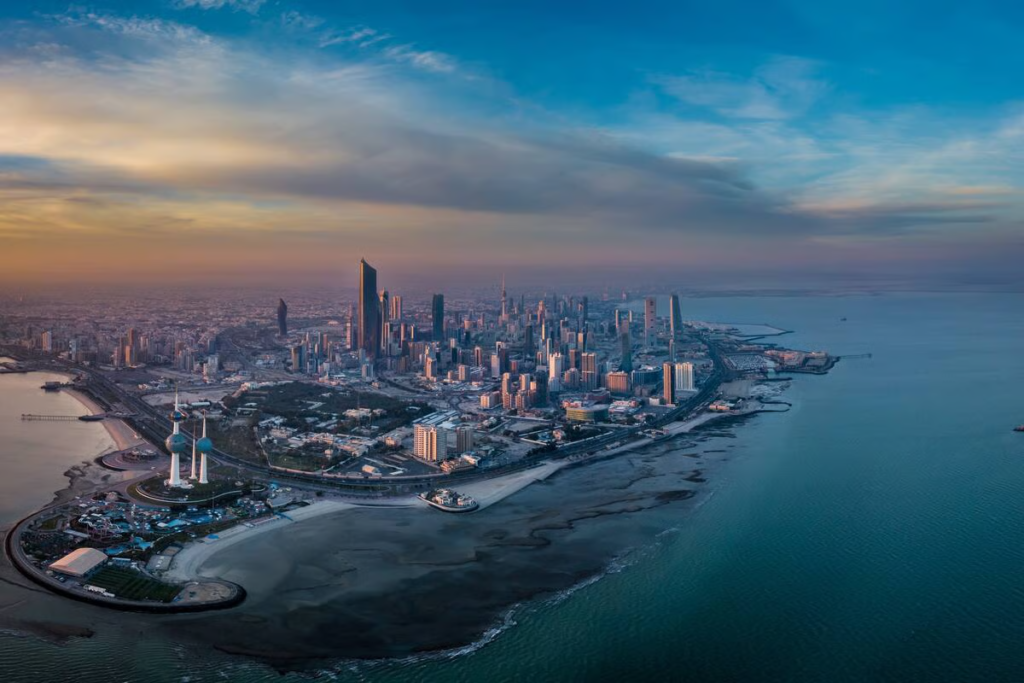
The Role of Government Policies in Infrastructure and Real Estate
The Kuwaiti government plays a pivotal role in ensuring that infrastructure development aligns with real estate growth. Policies are geared towards promoting sustainable urban planning, which is essential for balancing the needs of a growing population while preserving the environment.
Regulatory frameworks are being established to streamline the process for developers and investors. Initiatives that encourage public-private partnerships have also gained traction, allowing for shared investment risks and collaborative efforts in infrastructure projects. These policies create a favorable environment for real estate growth, making it easier for developers to bring their projects to fruition.
Moreover, the government has initiated various funding programs aimed at supporting infrastructure projects that directly benefit the real estate sector. Such support is crucial in fostering a stable and thriving market, ensuring that development keeps pace with demand.
Rising Demand for Sustainable Real Estate Solutions
As Kuwait evolves, there is a growing demand for sustainable and eco-friendly real estate solutions. The integration of green technologies and sustainable practices in construction is becoming a priority for both the government and developers. Infrastructure development is increasingly focused on sustainability, ensuring that new projects minimize environmental impact while maximizing efficiency.
This trend not only appeals to eco-conscious buyers but also aligns with global movements towards sustainability. By promoting green spaces, energy-efficient buildings, and sustainable transport options, Kuwait is setting a standard that enhances the attractiveness of its real estate market.
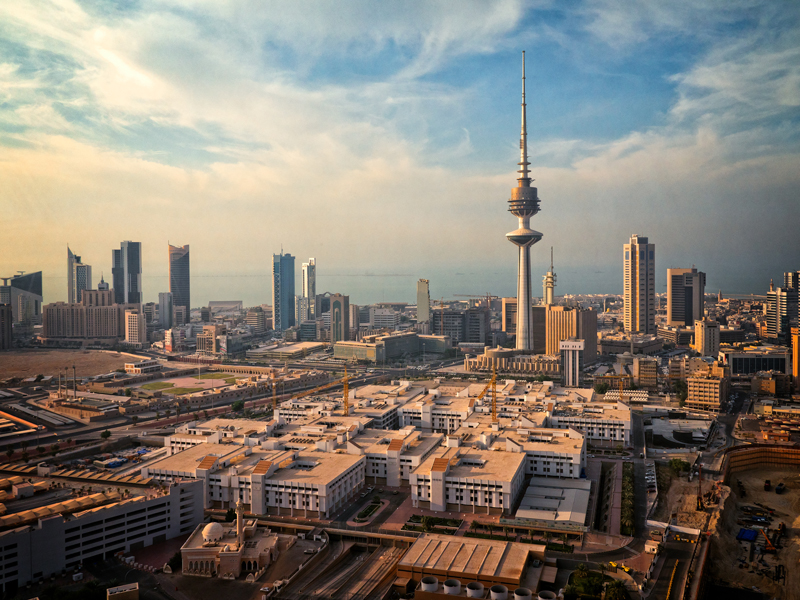
Future Prospects: What Lies Ahead for Real Estate in Kuwait?
Looking ahead, the future of real estate in Kuwait appears bright, largely due to ongoing infrastructure development. The government’s commitment to modernization and growth ensures that new opportunities will continue to emerge. As projects unfold, we can expect an influx of both local and international investors seeking to capitalize on the burgeoning market.
Moreover, as infrastructure improves, Kuwait’s position as a regional hub for commerce and tourism will likely strengthen. This added prominence will draw even more demand for both residential and commercial properties, propelling further growth in the real estate sector.
The synergy between infrastructure and real estate development is set to create a thriving ecosystem that benefits residents, businesses, and investors alike. As Kuwait continues to pave the way for innovation and expansion, the potential for real estate growth remains immense.
Conclusion: Embracing a New Era of Real Estate Growth
Kuwait’s infrastructure development is undeniably shaping the trajectory of its real estate market. With strategic investments and supportive policies in place, the country is not only enhancing the quality of life for its citizens but also creating an attractive landscape for real estate opportunities. As we move forward, the interconnection between infrastructure and real estate growth will continue to be a defining feature of Kuwait’s development story.
Do follow Gulf Magazine on Instagram
Also Read – Qatar Construction Sector Boosts Property Market Growth

