

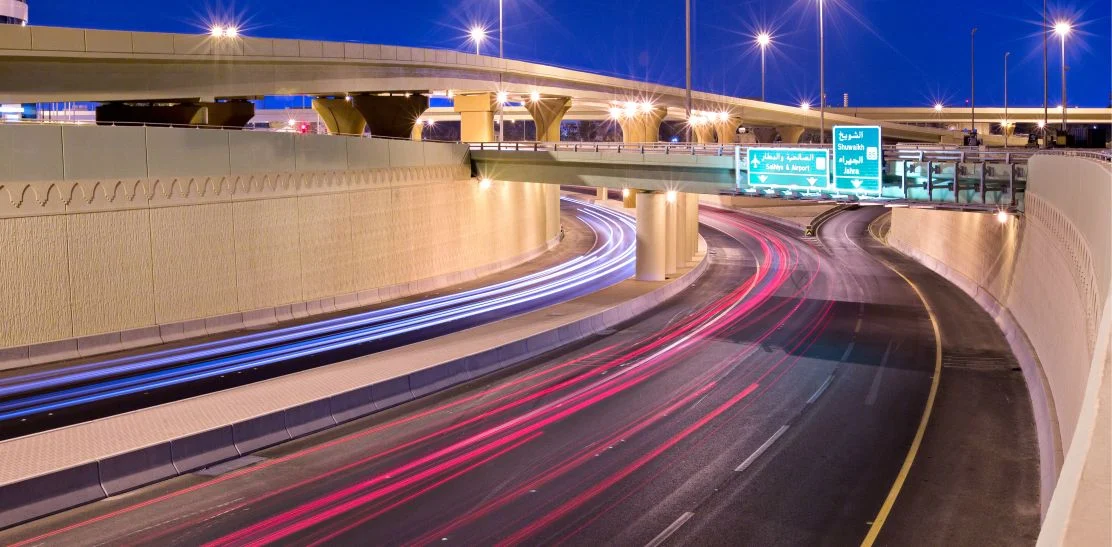
Kuwait new highways and bridges are set to transform the country’s transport system, offering much-needed relief to daily commuters who face long hours of traffic congestion. The government has announced ambitious infrastructure plans that focus on easing traffic flow, connecting key areas more efficiently, and preparing the country for future urban growth.
The move comes at a critical time when Kuwait’s growing population and rising number of vehicles have put pressure on its existing road network. By investing in large-scale projects, the government aims not only to reduce daily commuting problems but also to boost economic activities and position the country as a modern hub for regional connectivity.
Why Kuwait Needs New Highways and Bridges
Traffic congestion has been one of Kuwait’s biggest urban challenges for years. On most working days, commuters spend hours on the road, especially during peak morning and evening hours. The situation worsens in busy areas such as Kuwait City, where narrow roads and outdated designs struggle to accommodate the increasing number of cars.
According to local transport experts, the number of vehicles on Kuwait’s roads has grown sharply in the past decade. While the country has invested in expanding its road network over the years, it has not been enough to keep up with demand. This has led to higher levels of congestion, air pollution, and reduced productivity as workers spend more time stuck in traffic.
The government believes that the answer lies in a modern, well-planned highway and bridge network that can handle future growth. This includes not only building new roads but also ensuring smarter design, improved safety, and better access to residential, commercial, and industrial areas.
The Vision Behind Kuwait’s Infrastructure Expansion
The development of Kuwait new highways and bridges is part of the broader Kuwait Vision 2035 strategy, which aims to transform the nation into a leading financial and trade center in the region. Reliable and efficient transportation is considered one of the main pillars of this vision.
The projects are designed to:
- Ease traffic congestion: By creating alternative routes and reducing pressure on existing main roads.
- Improve connectivity: Linking residential neighborhoods with business districts, ports, and airports.
- Support economic growth: Faster transport means goods and services can move more efficiently.
- Enhance safety: Modern highways and bridges are designed with the latest safety standards.
- Promote sustainable development: By reducing traffic jams, the projects aim to cut down on fuel consumption and vehicle emissions.
Key Projects in the Pipeline
Several major road and bridge projects have been announced as part of the new plan. While the government has yet to reveal all the details, early reports suggest that the developments will be among the most advanced in the region.
1. Expansion of Ring Roads
Kuwait’s ring roads are among the busiest routes in the country. Plans include expanding these highways with additional lanes, upgrading interchanges, and improving entry and exit points to prevent bottlenecks.
2. New Bridges Over Busy Corridors
Bridges are being designed to connect high-traffic areas and reduce pressure on ground-level roads. These bridges will help smooth traffic flow, especially in Kuwait City, where space for expanding ground roads is limited.
3. Smart Road Systems
Technology will play a major role in the upcoming projects. The highways and bridges will include smart monitoring systems, traffic control technology, and digital signboards to guide drivers in real-time.
4. Connections to Ports and Industrial Zones
To support trade and logistics, the new infrastructure will also focus on better connections to Kuwait’s main ports and industrial hubs. This will improve the movement of goods and reduce heavy truck traffic within city areas.
Benefits for Commuters and Businesses
The Kuwait new highways and bridges plan is expected to bring multiple benefits not only for drivers but also for businesses and the overall economy.
- Shorter Travel Time: Daily commuters will save hours of driving every week, leading to improved work-life balance.
- Lower Vehicle Costs: Less time in traffic means lower fuel consumption and less wear and tear on vehicles.
- More Efficient Deliveries: Businesses can expect faster movement of goods, reducing supply chain costs.
- Improved Road Safety: Modern road design will reduce the risk of accidents.
- Environmental Gains: Reduced congestion will help cut air pollution and support Kuwait’s green goals.
Challenges and Considerations
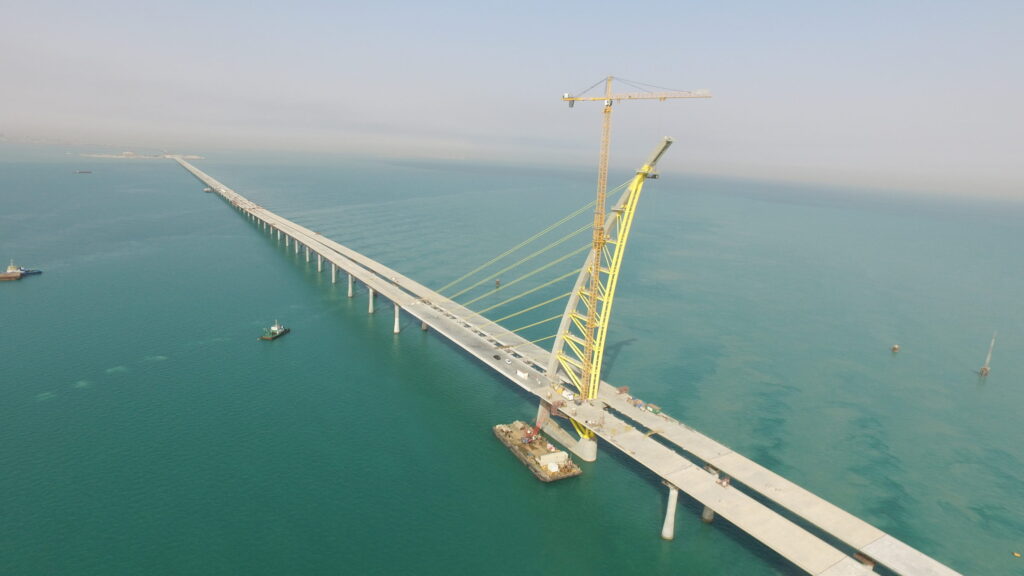
While the projects promise big improvements, they also face challenges. Large infrastructure projects often require significant budgets, long timelines, and careful planning to avoid disruptions during construction. Kuwait will also need to ensure that maintenance and long-term planning keep pace with future growth.
Another challenge is integrating public transport with the new road system. Experts suggest that Kuwait should also focus on developing metro lines and bus systems alongside highways to provide sustainable alternatives to private cars.
Public Reactions and Expectations
The announcement of Kuwait new highways and bridges has been welcomed by many citizens and residents. For years, traffic has been one of the top complaints in daily life, and people hope that these projects will finally bring long-term solutions.
Social media discussions highlight both excitement and cautious optimism. While many are happy about the plans, some residents worry about how long the projects will take and whether they will be completed on schedule. The government has promised transparency and regular updates to build public trust in the process.
The Road Ahead
Kuwait’s investment in highways and bridges marks a turning point in its infrastructure development. By prioritizing traffic solutions, the government is addressing a challenge that directly impacts the daily lives of millions. At the same time, these projects will strengthen the economy, attract investments, and make Kuwait a more attractive place to live and work.
If completed as planned, the new network of highways and bridges could redefine mobility in Kuwait, bringing smoother commutes, safer roads, and a more sustainable urban future.
Conclusion
Kuwait new highways and bridges represent more than just construction projects; they symbolize a forward-looking vision for the country. With traffic congestion being one of the nation’s toughest challenges, these plans offer hope for faster, safer, and more comfortable journeys. For commuters, businesses, and the wider economy, the benefits are clear.
Do Follow Gulf Magazine on Instagram
Also read: Sultan Haitham Leads Oman’s Grand Festival Celebrating 5 Years of Renaissance

