


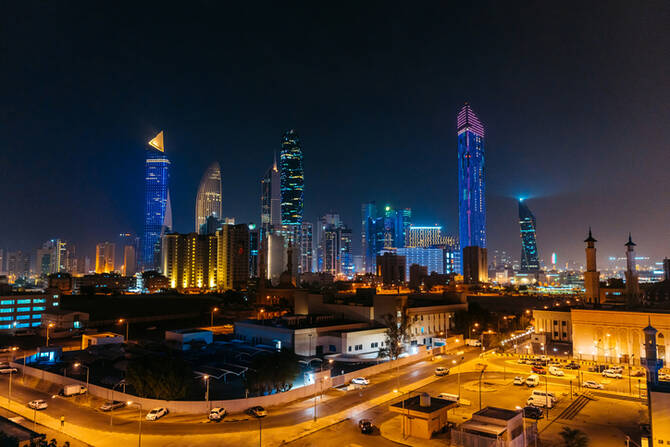
Kuwait, a nation often recognized for its oil wealth, is witnessing a significant transformation. Reports indicate that the country is experiencing growth in its non-oil economy, marking a pivotal shift in its economic landscape. This development is not just a statistic; it reflects the country’s strategic efforts to diversify its economy and reduce its dependence on oil revenues.
As the global energy market fluctuates, Kuwait’s focus on bolstering sectors outside of oil is not only timely but essential for sustainable growth. This article delves into the factors driving this growth, the sectors thriving in the non-oil economy, and the implications for Kuwait’s future.
Understanding the Non-Oil Economic Growth in Kuwait
The non-oil economy in Kuwait comprises various sectors, including services, manufacturing, and tourism. This diversification is crucial for ensuring economic stability, especially in an era when oil prices can be unpredictable. The government’s Vision 2035 initiative plays a significant role in this transition, aiming to transform Kuwait into a financial and trade hub.
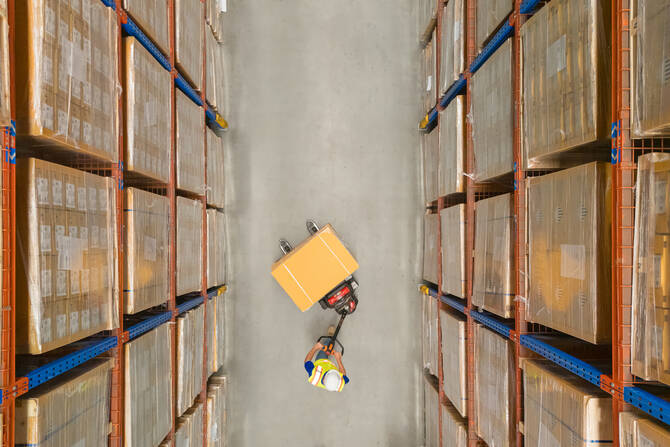
Kuwait’s growth in the non-oil sector is particularly notable in areas like construction, finance, and logistics. These sectors are not only creating jobs but are also attracting foreign investment, which is vital for the country’s economic health.
Key Sectors Contributing to Non-Oil Growth
The growth of Kuwait’s non-oil economy can be attributed to several key sectors, each playing a unique role in this economic evolution.
1. Construction and Real Estate
The construction industry has seen a significant boom, driven by both public and private sector investments. Major projects, such as residential complexes and infrastructure developments, are reshaping the urban landscape. This surge not only provides employment but also enhances the quality of life for residents.
2. Financial Services
Kuwait’s financial sector is evolving rapidly, with banks and financial institutions expanding their services. The rise of fintech companies is fostering innovation and efficiency, making Kuwait an attractive destination for investors looking for robust financial solutions.
3. Tourism and Hospitality
With cultural heritage and modern attractions, the tourism sector is gaining traction. Kuwait’s efforts to promote its historical sites and invest in hospitality infrastructure are drawing visitors from around the globe. This influx not only supports local businesses but also enriches the overall economy.
4. Manufacturing and Industry
The manufacturing sector is becoming increasingly important as Kuwait seeks to produce more goods domestically. This shift not only reduces reliance on imports but also creates a range of job opportunities for skilled workers. The government encourages investment in this sector, leading to innovation and growth.
The Role of Government Initiatives
Kuwait’s government has implemented various initiatives to support the growth of the non-oil economy. By creating a more favorable business environment, including tax incentives and streamlined regulations, the government is fostering entrepreneurship and attracting foreign investments.
Programs designed to enhance skill development are also crucial. By investing in education and vocational training, Kuwait is ensuring that its workforce is equipped to meet the demands of a diversifying economy. This proactive approach is vital for sustaining long-term growth.
Challenges on the Road to Diversification
Despite the positive trends, Kuwait faces challenges in fully realizing its non-oil economic potential. Bureaucratic hurdles, a reliance on expatriate labor, and the need for enhanced infrastructure can impede progress.
Addressing these challenges requires a concerted effort from both the government and the private sector. Collaboration and innovation will be essential in overcoming these obstacles and ensuring that growth is sustainable.
The Future of Kuwait’s Non-Oil Economy
As Kuwait reports growth in its non-oil economy, the future looks promising. The continued emphasis on diversification will likely lead to a more resilient economy, less vulnerable to fluctuations in the oil market.
With strategic investments and a clear vision, Kuwait is positioning itself as a dynamic player in the global economy. The success of the non-oil sectors will be crucial for the country’s overall economic health and stability.
In conclusion, Kuwait’s growth in the non-oil economy is not just a statistic but a reflection of a broader transformation. As the country navigates this journey, the emphasis on innovation, investment, and education will be key to securing a prosperous future.
Do follow Gulf Magazine on Instagram.
Also Read – Kuwait Proposes Sweeping Family Law Reforms in 2026

