


Kuwait’s oil price slipping to $62.97 per barrel marks a significant moment for both the country and the global energy market. While the number may seem like a simple statistic, it carries far-reaching implications. For a nation deeply connected to oil revenue, any price movement sparks discussions about fiscal planning, economic resilience, and long-term strategy.
Yet this is not just a story about a decline. It is a moment that reveals Kuwait’s adaptability and commitment to rethinking its economic structure. Beyond the immediate impact, the price dip also provides a unique lens to examine where Kuwait stands today and where it is heading.
The narrative here is not one of worry but of reflection, opportunity, and recalibration. Kuwait has faced oil price volatility for decades, but each cycle has pushed the country to sharpen its economic vision. This time is no different.
Understanding the Price Drop: Why $62.97 Matters
Oil prices never move without reason. They respond to global supply balances, geopolitical tensions, industrial trends, and shifts in demand. Even minor fluctuations can reflect changing global sentiment, and this recent drop is tied to a combination of international factors.
A price point of $62.97 per barrel is symbolic. It is not a crash, but it is a clear indicator of pressure on global oil markets. For Kuwait, which relies heavily on oil to fund public spending and national development, the number becomes part of a much larger financial conversation.
Despite the lower price, Kuwait remains in a stable position. Strong reserves, prudent financial management, and decades of experience navigating market cycles help soften the impact. However, the decline still encourages policymakers to evaluate spending priorities, review investment plans, and push forward with diversification strategies.
Kuwait’s Economic Landscape: Navigating Through Volatility
A History Built on Oil Strength

Kuwait has long been one of the world’s most influential oil producers. Its high-quality crude, vast reserves, and steady production capacity make it a key player in OPEC. For decades, oil revenues have supported infrastructure projects, public services, job creation, and national welfare programs.
The country is no stranger to volatility. From major oil price crashes to geopolitical disruptions, Kuwait has weathered numerous storms. Each event has shaped Kuwait’s financial policies, driving the nation to build buffers, prioritize savings, and expand its sovereign wealth fund.
Modern Realities: Preparing for a New Energy Era
Today, the global energy landscape is evolving at a speed never seen before. Renewable energy is expanding. Climate goals are reshaping national agendas. Industries are becoming more efficient, relying less on traditional energy consumption patterns.
This environment places Kuwait at a crossroads. The country remains a strong oil exporter, but oil is no longer the only future. The price dip to $62.97 reinforces the urgency of diversifying revenue streams. Kuwait Vision 2035—the national transformation plan—highlights long-term goals such as private-sector expansion, improved infrastructure, and investment in innovation.
While oil will remain central to the economy for decades to come, Kuwait is increasingly focused on balancing oil dependence with new sectors that can generate sustainable growth.
Short-Term Effects of the Price Decline
Fiscal Adjustments and Budget Considerations
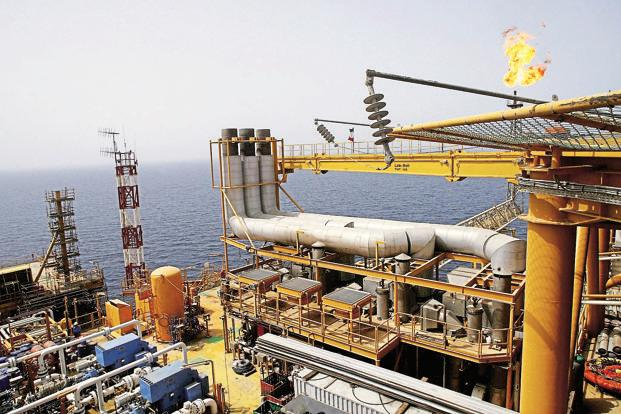
One of the immediate impacts of a lower oil price is on government budgeting. Kuwait’s public expenditures depend heavily on revenue from oil exports. When prices fall, fiscal pressure increases, requiring adjustments to spending or reallocation of funds.
A price of $62.97 per barrel is below what many oil-producing countries consider ideal for balancing their budgets. However, Kuwait’s financial strength, accumulated reserves, and strong sovereign wealth fund help mitigate short-term strain.
Decision-makers now focus on identifying essential versus non-essential spending, prioritizing development projects that deliver long-term returns, and ensuring efficient management of public resources.
Market Sentiment and Domestic Confidence
Any movement in oil prices influences investor sentiment. A dip may cause cautiousness within domestic markets, but Kuwait’s consistent stability reassures both local and international observers.
Residents and businesses understand that price fluctuations are normal. The economy adapts, policies evolve, and long-term planning remains on track. Confidence is maintained because Kuwait has proven time and again that it can find balance even during challenging market cycles.
Global Dynamics Behind the Oil Movement
Supply and Production Adjustments
One of the reasons behind the global price decline relates to production levels across major oil-producing nations. When supply outpaces demand, prices tend to fall. Kuwait participates in collaborative production strategies under OPEC+, which aims to maintain stability in the oil market through coordinated output levels.
Kuwait’s adherence to production agreements helps prevent oversupply while supporting global market equilibrium. Even with prices fluctuating, maintaining responsible production protects long-term market health.
Demand Shifts and Economic Trends
Slower industrial growth in some regions, rising interest rates, and reduced energy consumption all contribute to softening demand. Seasonal variations also affect oil prices, with some months naturally showing lower energy needs.
Kuwait monitors global consumption patterns carefully, as they directly impact export performance. The ability to anticipate shifts allows the country to respond strategically, adjusting production plans or exploring new market opportunities.
Long-Term Perspective: Why Kuwait Remains Confident
Strength in Experience and Stability
Kuwait’s confidence does not come from ignoring market realities. It comes from decades of successfully navigating oil cycles. The nation has built financial cushions, developed advanced energy infrastructure, and maintained one of the most stable economies in the region.
These factors ensure that short-term price declines do not destabilize long-term national plans.
Strong Energy Sector Foundations
Kuwait continues investing in its refining capacity, petrochemical projects, and upstream operations. By strengthening its energy value chain, the country becomes more resilient to external price changes.
Projects focused on improving efficiency, enhancing output quality, and diversifying energy products help Kuwait maintain a competitive position globally.
The Push Toward Economic Diversification
Vision 2035: Kuwait’s Path to a Sustainable Future
Kuwait Vision 2035 outlines a future where the economy thrives not only on oil but on innovation, private-sector growth, and global partnerships. The oil price decline serves as a reminder of why this vision matters.
Key sectors being prioritized include:
Finance
Tourism
Logistics
Technology
Renewable Energy
Healthcare
Manufacturing
Developing these industries creates more job opportunities, encourages entrepreneurship, and reduces vulnerability to oil market shocks.
Private Sector Empowerment
A strong private sector is a key pillar of Kuwait’s diversification agenda. Encouraging business growth, reducing bureaucratic barriers, and supporting startups all contribute to a more dynamic economic environment.
As oil prices fluctuate, the private sector becomes a crucial stabilizer, offering alternative streams of productivity and innovation.
Human Side of the Story: How Kuwaitis Feel the Change
Everyday Life and Economic Awareness
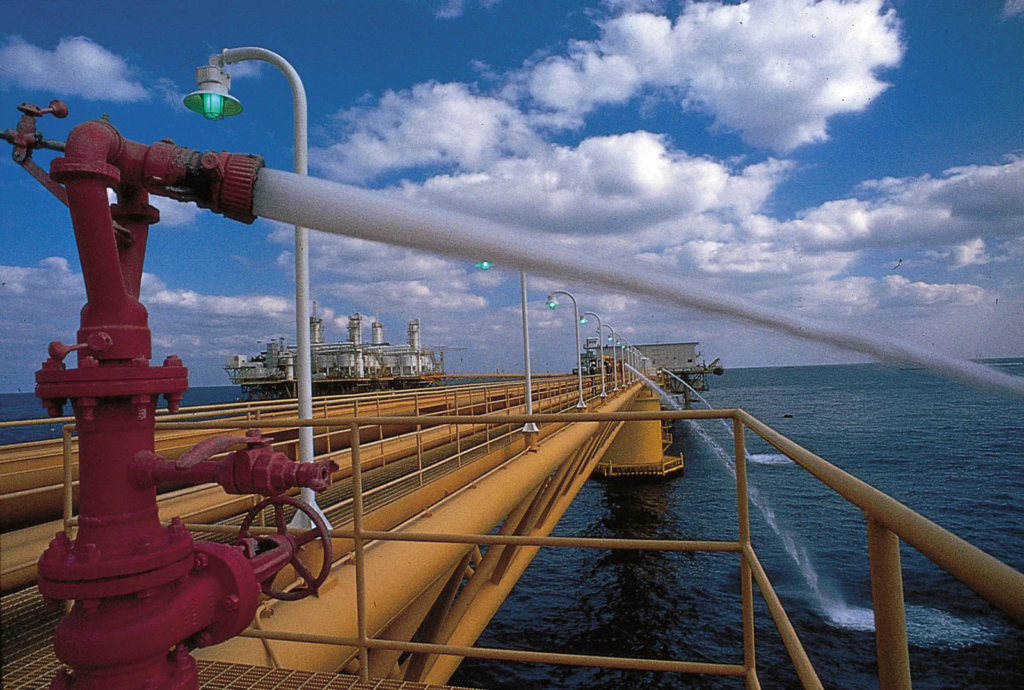
For many Kuwaitis, oil prices are more than just global news—they shape daily conversations. People understand that oil fuels the public services they rely on, from education to healthcare.
A price dip creates more awareness about the importance of financial discipline and future planning. Citizens reflect on how the economy is evolving and what role they can play in supporting national goals.
Community Confidence in Leadership
Kuwaitis generally trust that economic leaders will navigate the situation responsibly. Transparency in planning and communication helps maintain this trust.
Communities know that fluctuations are temporary, while Kuwait’s long-term strength and stability continue to define its future.
Energy Transition: Kuwait’s Emerging Role
Exploring Clean Energy Alternatives
Kuwait is gradually expanding into renewable energy. Solar projects, energy-efficiency initiatives, and green transition strategies complement the traditional oil sector.
The price drop to $62.97 adds motivation to accelerate the diversification of energy sources. By reducing dependence on oil revenues, Kuwait can create a more balanced and environmentally conscious economic structure.
Building Regional Leadership in Innovation
As Kuwait moves toward incorporating advanced technologies and renewable solutions, it positions itself as a regional leader in energy innovation. The transition brings opportunities for new investments, partnerships, and talent development.
Future Outlook: Where Kuwait Goes from Here
Short-Term Resilience
In the coming months, Kuwait will continue monitoring global market trends. Adjustments to spending and production may be necessary, but the country’s financial strength provides a stable foundation.
Market analysts expect continued fluctuations, but none pose an immediate threat to Kuwait’s long-term economic vision.
Medium-Term Adaptation
Kuwait is likely to invest more heavily in infrastructure projects, digital transformation, and private-sector development. These investments create momentum that drives growth beyond oil revenues.
Long-Term Transformation
Over the next decade, Kuwait aims to transform its economic identity. Oil will remain valuable, but it will be complemented by diverse sectors that offer sustainable progress and global competitiveness.
Conclusion: A Price Drop That Inspires Reinvention
The decline in Kuwait’s oil price to $62.97 per barrel is more than a reaction to global markets—it is a reminder of the nation’s strength, adaptability, and forward-thinking mindset. While price volatility is part of the energy world, Kuwait’s commitment to long-term growth remains firm.
This moment encourages policymakers, businesses, and citizens to reflect on the journey ahead. It reinforces the importance of diversification, innovation, and economic balance. Above all, it highlights Kuwait’s resilience and determination to build a sustainable future.
Kuwait has been here before, and each time, it has emerged stronger. This price dip is simply another chapter in a long story of perseverance, strategy, and evolution. The nation stands ready to turn challenge into opportunity, shaping a future that is both promising and powerful.
Do Follow Gulf Magazine on Instagram
Read More:- Kuwait Strikes Gold With Three Massive Offshore Oil Discoveries 2025

