


The Kuwait Petroleum Corporation (KPC) announced that the official price of Kuwaiti oil fell by USD 1.47 to USD 63.40 per barrel on Monday, compared with USD 64.87 per barrel last Friday. This official figure — used as a regional benchmark and watched closely by traders, industry insiders and policymakers across the Gulf — reflects near-term market movements and the complex forces shaping global energy prices.
What happened — the short story
On the face of it, this is a modest daily decline in the headline number. But numbers like these matter: they feed into refinery margins, government revenue projections and the business decisions of oil companies and service contractors. While Brent and WTI moved differently in global trading that day — with Brent near similar levels and WTI slightly lower or higher depending on the session — Kuwait’s official price is an important regional reference
Why the price moved down (and what likely pushed it)
Daily price moves reflect a mix of factors, including global supply and demand flows, OPEC+ policy signals, regional refinery demand, and short-term trading sentiment. In recent weeks and months, the oil market has absorbed a patchwork of signals: production adjustments by OPEC+, supply disruptions in some regions, and changing demand expectations as economies digest higher interest rates and mixed growth forecasts.
A practical local factor for Kuwait has also been the handling of available crude stocks and refinery operations. KPC has at times offered different grades — including heavier crude when local refinery constraints limit processing — and these operational realities can nudge local posted prices when compared with global futures. Traders and refiners watch those operational moves closely because they change availability and demand for specific grades.
What the number means for Kuwait’s economy and people
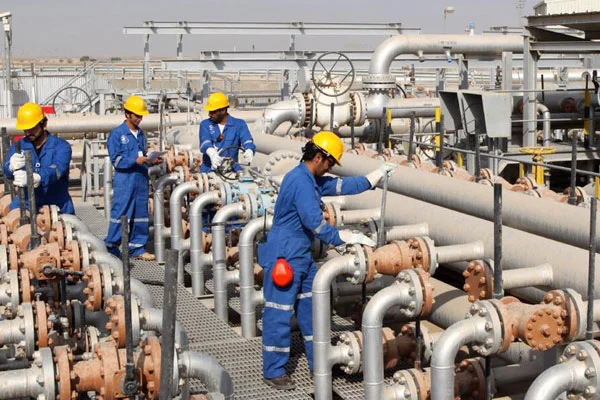
Kuwait is an oil-exporting country where government budgets, employment and many public services are linked to hydrocarbon revenue. A move of a dollar or two in the price per barrel does not instantly change the nation’s finances, but sustained periods of lower prices can tighten fiscal space, force budget re-prioritisation, and influence development plans.
For ordinary people, the immediate effects are often indirect: changes in government spending plans, potential policy tweaks on fuel subsidies or public projects, and shifts in job creation in oil-service firms and contractors. For professionals who have built careers around Kuwait’s energy sector — engineers, rig crews, refinery workers, and service staff — these market swings are part of the rhythm of work and a prompt to adapt skills, safety standards and cost management.
A human side: lives, work and the KPC story
Behind each number sits a workforce and a national institution. KPC today is not just a trading desk posting a price — it is an employer, a technology investor, and a steward of one of Kuwait’s most valuable assets. Many Kuwaitis and long-term residents have shaped their careers around the industry: technicians who wake before dawn to service pipelines, lab chemists ensuring fuel quality, and planners working on longer-term energy projects. For them, price drops are one chapter in a larger story of resilience, upskilling and adaptation.
KPC’s recent years also show a mix of celebration and challenge: the company reported strategic discoveries and moved to modernise operations, while also adjusting to lower average prices in its fiscal reporting. Those achievements discovered reserves, operational targets met, or refinery upgrades — fuel a national narrative about modernization and future readiness even when day-to-day prices wobble.
How regional and global players reacted
Markets and commentators digest such announcements differently. Traders may interpret the change as a short-term technical move, while regional policymakers and analysts watch for patterns: is this a small blip or the start of a weaker phase for crude? OPEC+ communications, geopolitics, and data on global inventories will shape their view. In the short term, refineries that buy Kuwaiti grades will monitor cargo availability and the grade spreads to plan feedstock purchases.
What to watch next — signals that matter
If you’re tracking the market, pay attention to:
- OPEC+ statements and compliance updates (production cuts or increases).
- Global economic indicators — especially Chinese demand data and key US consumption figures.
- Regional operational updates (for example, any refinery maintenance or unplanned outages that change crude flows).
- Inventory reports from agencies and private surveys that signal whether global stockpiles are rising or falling.
Any sustained trend in these areas will matter far more than a single day’s move.
A closer look at industry resilience and opportunity
Kuwait’s oil industry has long been a source of national pride and economic strength. Recent strategic moves — from exploration successes to partnership deals and infrastructure upgrades — show an emphasis on long-term resilience. Even when prices fall, these investments aim to keep Kuwaiti crude competitive (in quality and availability) and to ensure the industry can weather price cycles.
For workers and entrepreneurs, market dips often spark creative responses: diversifying services, improving efficiency, and pushing for new exports or refinery products that command better margins. In other words, downturns can accelerate productive change.
What this means for investors and businesses
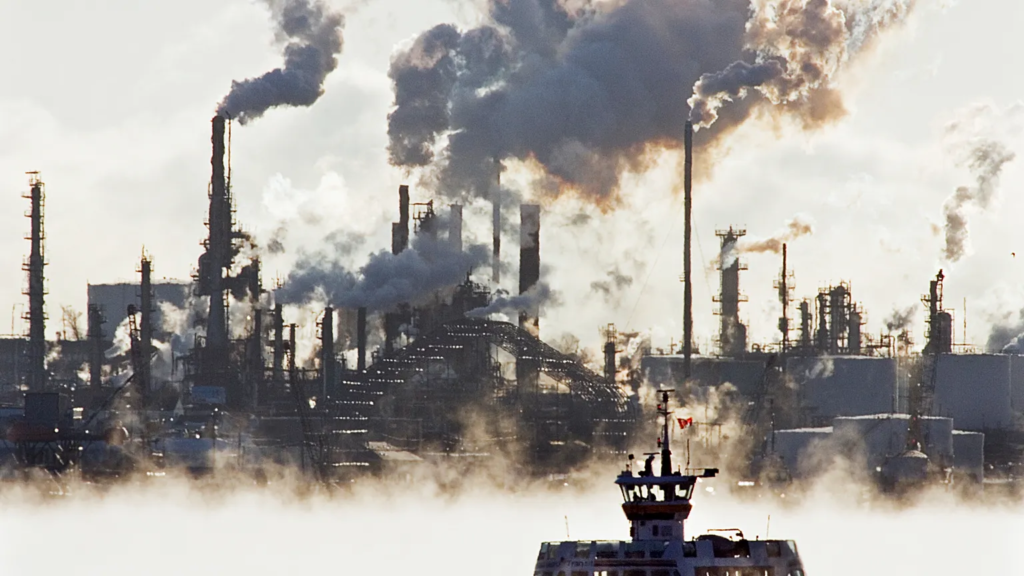
For investors in energy, commodity price moves are signals to rebalance risk and opportunity. Companies with strong balance sheets and modern operations often use weaker price periods to invest in efficiency or to acquire assets. Businesses that supply the oil sector must stay nimble — securing multi-year contracts, improving productivity, and broadening service offerings are common responses.
Regional governments also look at diversification policies more seriously when oil receipts weaken. Kuwait’s Vision and diversification ambitions including downstream development, petrochemicals and energy sector modernization are part of a strategy to reduce sensitivity to short-term price swings.
How citizens can think about the change
If you’re a resident watching headlines, it helps to remember:
- Day-to-day price changes are normal; they rarely translate into immediate policy shocks.
- Long-term trends matter more than single-day drops — focus on sustained moves over months.
- Economic diversification and government fiscal buffers are the real protection against volatility; Kuwait continues to work on those.
- For jobseekers and professionals, skills in energy transition, downstream processes, and digitalization are becoming more valuable.
Closing: a message of perspective and resilience
A headline number USD 63.40 per barrel can feel abstract. But behind it are people, institutions and a national economy that have faced cycles before. KPC’s role is both commercial and social: managing resources, supporting industry jobs, and contributing to national plans. For workers and citizens alike, the takeaway is familiar and practical: prepare for cycles, invest in skills, and keep an eye on the bigger arc of development where strategic discoveries, modernization and policy choices shape the future of Kuwait’s energy story.
Do Follow Gulf Magazine on Instagram
Read More:- Late Afsha Penalty Denies Kuwait Famous Victory in Doha 2025

