

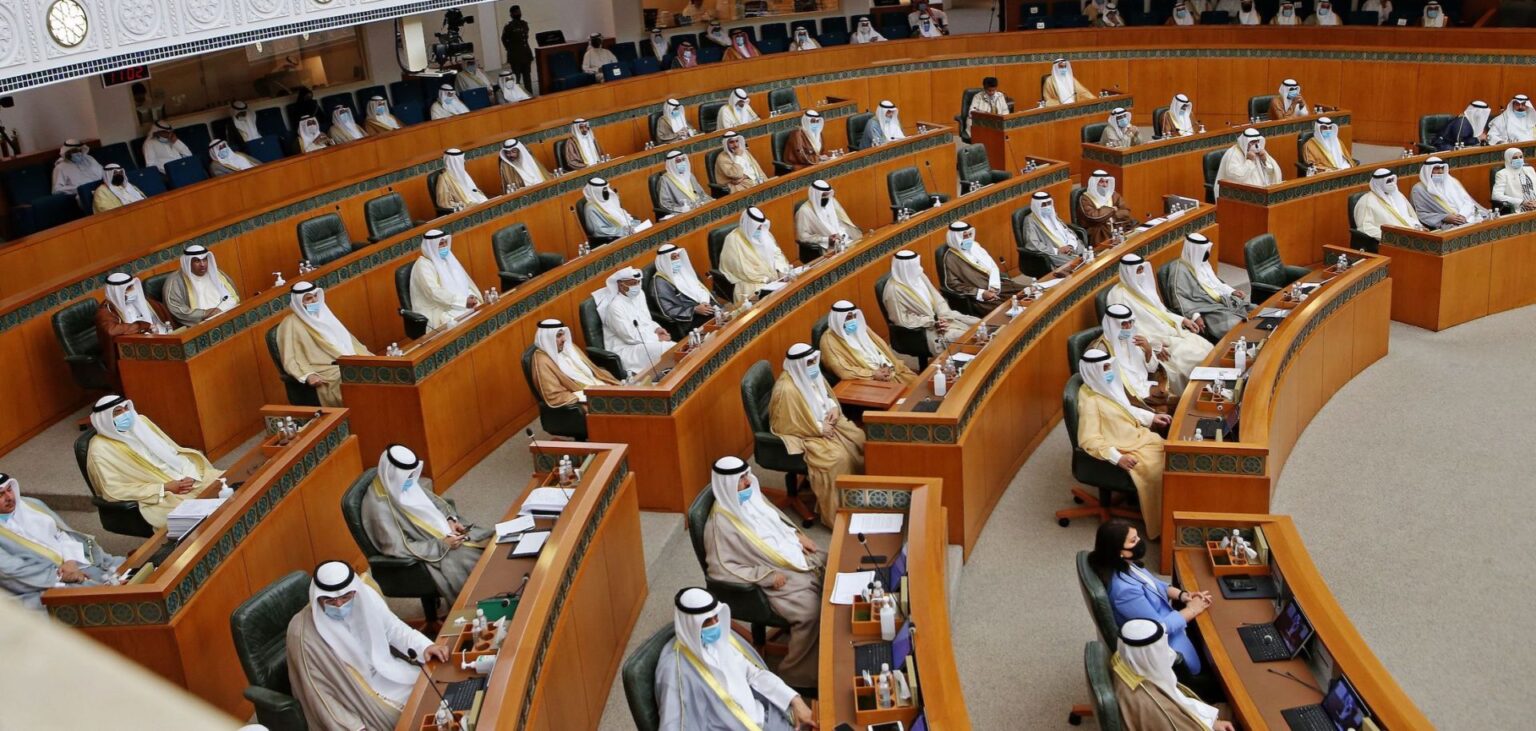
Kuwait parliamentary debates on public spending have taken center stage in recent weeks, reflecting the country’s growing need to balance economic reforms with social stability. As lawmakers gather to review budgets, subsidies, and long-term financial strategies, the discussions have become a mirror of Kuwait’s wider challenges—ranging from dependency on oil revenues to public sector employment pressures and calls for financial diversification.
For many Kuwaitis, the outcome of these debates is more than just numbers on a balance sheet. It is about jobs, subsidies, and the social contract that has long defined life in the Gulf state. With the government and parliament often clashing on fiscal policies, the recent debates reveal both the urgency of reforms and the difficulty of achieving consensus.
Kuwait’s Spending Landscape: A Balancing Act
Kuwait is one of the wealthiest nations in the Gulf, largely due to its vast oil reserves. But unlike some of its neighbors who have aggressively diversified, Kuwait still relies heavily on oil exports for more than 85% of its revenue. This dependence makes its budget highly vulnerable to global oil price fluctuations.
Parliamentary debates on public spending often revolve around subsidies, salaries for public employees, and infrastructure investments. Nearly 70% of Kuwaiti citizens are employed in government jobs, a system that guarantees stability but puts immense strain on the budget.
Lawmakers find themselves navigating a fine line: how to ensure citizens’ welfare without overspending, while also preparing the economy for a post-oil future.
Heated Debates on Subsidies and Social Welfare
One of the most sensitive topics in Kuwait’s parliamentary debates on public spending is subsidies. Fuel, electricity, and water are heavily subsidized, costing the government billions of dinars annually. Attempts to reduce subsidies have historically faced resistance from both citizens and lawmakers, who see them as a fundamental right.
During recent debates, some parliamentarians argued that subsidy reforms are essential to curb waste and reduce fiscal pressure. Others countered that cutting subsidies would hurt ordinary families at a time when the cost of living is already rising. This tug-of-war reflects the broader challenge Kuwait faces: how to modernize its economy without upsetting its citizens.
Employment and the Public Sector Dilemma
Employment is another recurring theme in Kuwait’s parliamentary debates on public spending. The majority of Kuwaitis work in government jobs, while the private sector is dominated by expatriates. This imbalance creates pressure on the state to keep creating new public jobs, even when budgets are tight.
Parliamentarians have frequently pushed for laws guaranteeing more job placements for Kuwaiti youth, but economists warn that this approach is unsustainable. Without reforms to encourage private sector participation and entrepreneurship, the government risks an endless cycle of expanding payrolls.
Infrastructure and Development Priorities
While welfare and jobs dominate headlines, another aspect of the debates is Kuwait’s infrastructure spending. Lawmakers are keen to approve budgets for projects in housing, healthcare, and education, areas where citizens expect high-quality services.
However, many debates turn into disputes over which projects should be prioritized, leading to delays. Critics argue that political gridlock has stalled key development initiatives, slowing Kuwait’s progress compared to other Gulf states.
Despite these challenges, Kuwait continues to invest in housing projects for citizens and upgrades to hospitals and schools, signaling a commitment to improving quality of life.
The Oil Dependence Question
No discussion on Kuwait’s parliamentary debates on public spending is complete without addressing oil dependence. With oil prices fluctuating unpredictably, Kuwait’s fiscal health often swings between surplus and deficit.
Lawmakers are increasingly calling for diversification, but political disagreements have hindered long-term planning. While neighboring countries like Saudi Arabia and the UAE have launched ambitious visions to diversify their economies, Kuwait’s progress has been slower.
Parliamentary debates reveal that many lawmakers support diversification in principle but struggle to agree on the policies needed to make it a reality.
Calls for Reform and Transparency
Recent debates also shed light on another growing demand: transparency. Citizens and lawmakers alike have raised concerns about how public funds are managed and whether spending is truly benefiting the people.
Some MPs have demanded stricter oversight of government contracts and development projects, aiming to prevent mismanagement or corruption. These calls reflect a broader trend in Kuwait’s political culture, where accountability is becoming just as important as policy outcomes.
Government-Parliament Tensions
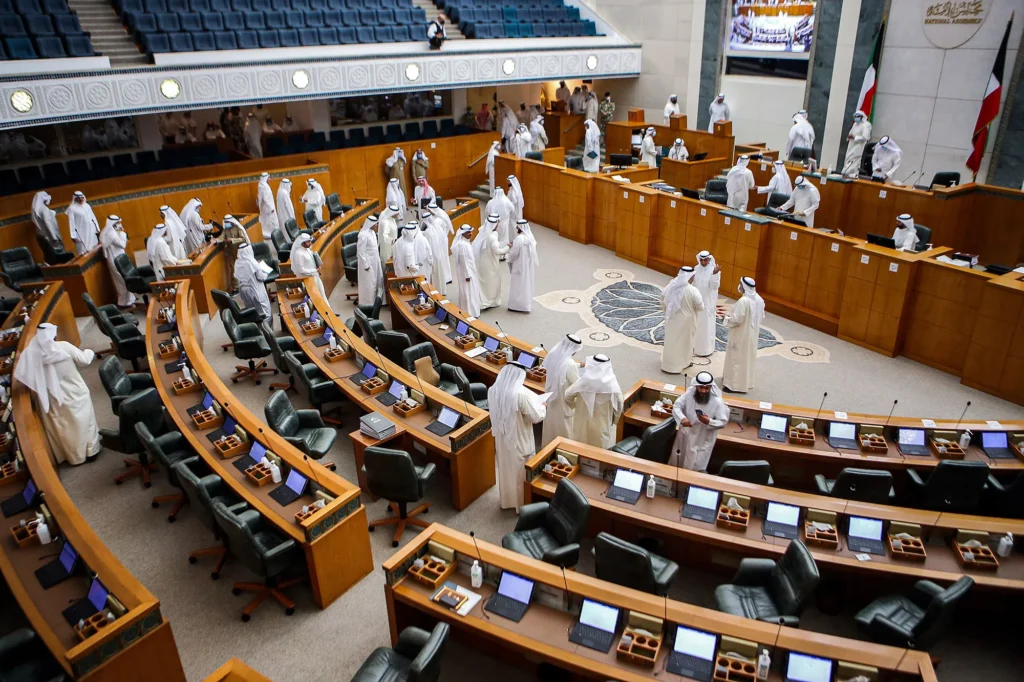
One of the defining features of Kuwait’s politics is the constant tension between the government and parliament. Unlike many of its Gulf neighbors, Kuwait has one of the region’s most active parliamentary systems, with lawmakers empowered to challenge ministers and even dissolve cabinets.
This dynamic often leads to political deadlock, especially on financial issues. Parliamentary debates on public spending frequently highlight these tensions, with lawmakers demanding more benefits for citizens while the government insists on reforms to ensure long-term sustainability.
Citizens’ Perspectives
For ordinary Kuwaitis, the debates in parliament are more than just political theater—they directly impact daily life. Subsidy reforms, salary increases, and housing projects are issues that touch nearly every family.
While many citizens appreciate the generous welfare system, there is also growing awareness that the status quo may not be sustainable forever. Younger Kuwaitis, in particular, are more open to discussions about diversification and private sector opportunities, though they remain cautious about losing government benefits.
Looking Ahead: Can Consensus Be Reached?
The future of Kuwait’s parliamentary debates on public spending will depend on whether lawmakers and the government can find common ground. Economists warn that delays in reforms could put Kuwait at greater risk if oil revenues decline sharply.
Potential paths forward include:
- Gradual subsidy reforms paired with targeted support for low-income families.
- Encouraging private sector growth by reducing barriers for entrepreneurs.
- Prioritizing essential infrastructure projects to improve quality of life.
- Enhancing transparency and accountability in public spending.
If parliament and government can align on these measures, Kuwait could strike a balance between preserving its social contract and ensuring fiscal sustainability.
Conclusion
Kuwait parliamentary debates on public spending highlight the complex balancing act between tradition and reform. On one hand, citizens expect the state to continue providing jobs, subsidies, and welfare benefits. On the other, the government faces mounting pressure to diversify the economy, reduce dependence on oil, and ensure long-term fiscal health.
The debates are a reminder that Kuwait’s wealth, while significant, is not limitless. With the right mix of reforms, transparency, and consensus, the country has the potential to maintain stability while preparing for the challenges of the future.
Do Follow Gulf Magazine on Instagram

