

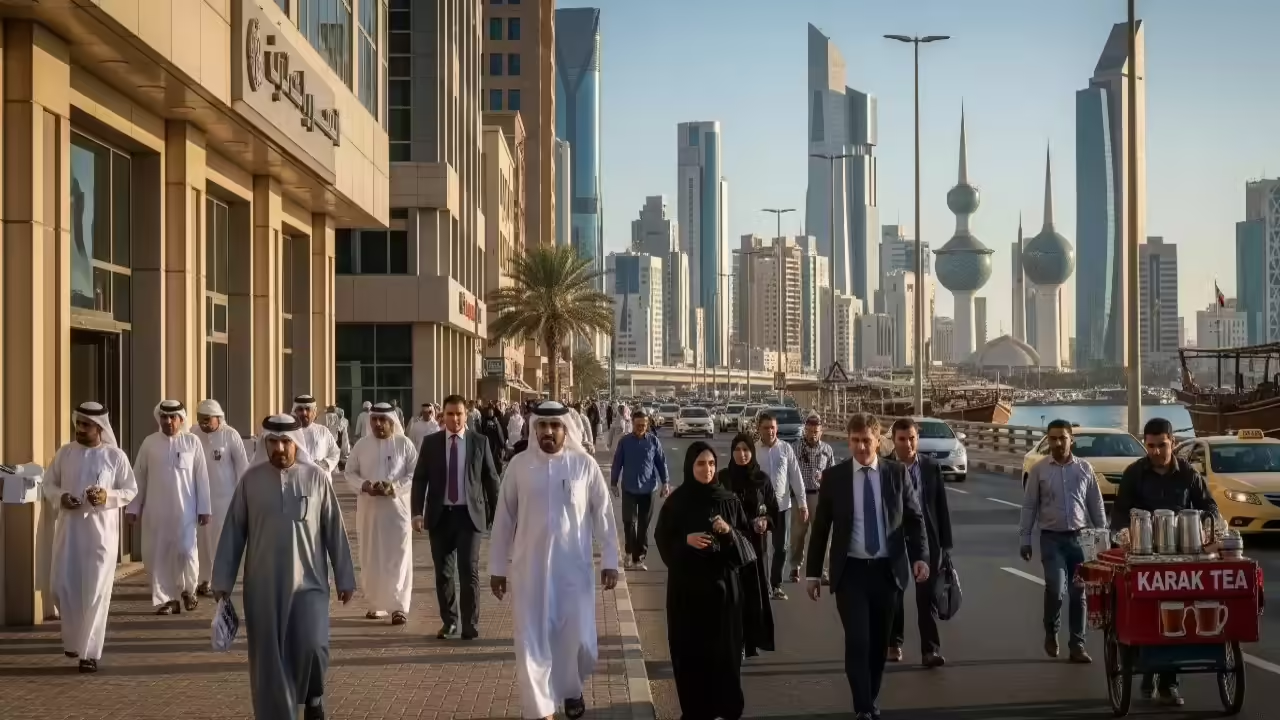
Kuwait’s real estate market witnessed a noticeable slowdown in transaction activity toward the end of December, drawing attention from investors, developers, and homebuyers alike. While the sharp dip in deals raised initial concerns, market experts view the decline as a natural year-end pause rather than a sign of structural weakness. In fact, the slowdown reflects a period of recalibration, offering clarity and renewed opportunity for the months ahead.
Late December has traditionally been a quieter phase for property markets worldwide, and Kuwait is no exception. As the year closes, decision-making often slows, paperwork gets delayed, and investors step back to reassess strategies. This seasonal pause, combined with broader economic considerations, shaped the sharp drop in real estate transactions during the final weeks of the year.
Understanding the Late December Slowdown
The sudden decline in real estate transactions during late December did not occur in isolation. Several overlapping factors influenced buyer behavior and temporarily cooled market momentum.
Seasonal Effects on Buyer Activity
December is often marked by holidays, travel, and reduced working days. Many buyers and sellers postpone major financial decisions until the new year, preferring to begin fresh with clearer budgets and goals. This annual pattern naturally leads to fewer property deals being closed in the final weeks of the year.
In Kuwait, where real estate decisions are often long-term and carefully planned, buyers tend to avoid rushed commitments. The late December drop aligns closely with this cautious and thoughtful approach.
Investor Caution at Year-End
Investors typically use the final weeks of the year to evaluate portfolio performance and prepare for upcoming opportunities. Rather than committing capital immediately, many choose to wait for updated market signals in January. This pause creates a temporary dip in transaction volume but also sets the stage for more informed investments in the new year.
Residential Real Estate Feels the Impact
The residential sector was among the most affected by the late December slowdown, particularly in private housing and apartment transactions.
Families Postpone Buying Decisions

For many families, purchasing a home is a life-changing decision that requires time, financial planning, and emotional readiness. As the year draws to a close, priorities often shift toward family gatherings and personal commitments, pushing home purchases into the following year.
This delay does not indicate reduced demand but rather a postponement of action. Many buyers remain active in the market, simply waiting for the right moment to proceed.
Apartment Market Takes a Breather
The apartment segment also experienced fewer transactions, especially among individual investors. With rental yields under close scrutiny and evolving financing conditions, investors used late December to reassess expectations. This reflective period may lead to more balanced pricing and healthier negotiations in the months ahead.
Commercial and Investment Properties Slow Down
Commercial real estate transactions also saw a notable decline, reflecting broader investment sentiment during the year-end period.
Businesses Delay Expansion Plans
Companies looking to expand offices, retail spaces, or warehouses often delay decisions during December. Budget cycles typically reset in January, making it more practical to finalize leases or purchases after the new year begins.
This temporary slowdown does not weaken the commercial sector’s outlook. Instead, it highlights a shift toward more disciplined planning and efficient capital allocation.
Long-Term Investors Wait for Clarity
Institutional and high-net-worth investors tend to focus on long-term value rather than short-term fluctuations. Late December’s quieter activity gave these investors time to study market trends, assess risk, and prepare for strategic acquisitions once momentum returns.
Pricing Stability Despite Lower Transactions
Interestingly, the drop in transaction volume did not trigger a sharp fall in property prices. This stability underscores the market’s underlying strength.
Sellers Hold Firm on Valuations
Many property owners chose not to reduce prices significantly, preferring to wait for demand to rebound. This confidence reflects a belief in Kuwait’s long-term real estate fundamentals, including population growth, urban development, and infrastructure investment.
Sellers who were not under pressure to liquidate assets opted for patience, contributing to price stability despite lower activity.
Balanced Market Dynamics
The absence of panic selling helped maintain balance between supply and demand. While fewer deals were completed, negotiations remained measured and realistic. This balance supports a healthier market environment and reduces the risk of sudden price corrections.
Economic Context Shapes Market Sentiment
Broader economic factors also played a role in shaping buyer and investor sentiment toward the end of the year.
Interest Rates and Financing Considerations
Financing conditions influence real estate decisions significantly. As borrowers assess loan terms and future interest rate expectations, many prefer to wait for clarity before committing. Late December provided a natural pause for these evaluations, encouraging buyers to plan more strategically.
Confidence in Long-Term Growth
Despite short-term caution, confidence in Kuwait’s economic resilience remains strong. Real estate continues to be viewed as a reliable store of value, particularly in a market known for stability and steady returns. This confidence helps explain why the slowdown has been interpreted as temporary rather than alarming.
Developers Adapt to Changing Momentum
Real estate developers closely monitor transaction data, and the late December slowdown prompted many to adjust their timelines and marketing strategies.
Launches Shift to Early New Year
Some developers chose to delay new project launches until January or February, aiming to capture renewed buyer interest. This strategic timing allows projects to benefit from fresh budgets, improved sentiment, and increased market activity.
Focus on Quality and Value
Developers are also placing greater emphasis on quality, design, and value-driven offerings. With buyers becoming more selective, projects that combine thoughtful planning with competitive pricing are likely to gain stronger traction in the coming months.
Opportunities Hidden Within the Slowdown
While a sharp drop in transactions may appear concerning at first glance, it often creates unique opportunities for savvy buyers and investors.
Better Negotiation Potential
Lower activity can shift negotiating power slightly toward buyers, especially in cases where sellers are motivated. This environment encourages meaningful discussions, transparent pricing, and mutually beneficial deals.
Time for Informed Decisions
A quieter market allows buyers to conduct deeper research without pressure. Instead of rushing to secure a property, they can evaluate options carefully, compare locations, and assess long-term value with greater confidence.
What to Expect in the New Year
As January approaches, market participants anticipate a gradual return of activity across Kuwait’s real estate sector.
Renewed Buyer Confidence
With new financial plans and clearer economic outlooks, buyers are expected to re-enter the market with renewed confidence. Pent-up demand from December is likely to translate into increased transactions early in the year.
Stronger Market Transparency
The late December pause has encouraged reflection and transparency among stakeholders. Clearer expectations on pricing, demand, and project timelines may lead to smoother transactions and improved trust between buyers and sellers.
Long-Term Outlook Remains Positive
Despite the sharp dip in late December, Kuwait’s real estate market remains fundamentally sound. The slowdown represents a moment of recalibration rather than decline.
Stability Anchored in Fundamentals
Population needs, urban expansion, and ongoing infrastructure development continue to support long-term demand. These fundamentals provide a strong foundation that extends beyond short-term fluctuations.
A Healthier Market Environment
Periods of slower activity often help reset expectations and reduce speculative behavior. By encouraging thoughtful decision-making, the late December slowdown may ultimately strengthen the market’s overall health.
Conclusion: A Pause That Prepares the Market for Growth
The sharp drop in Kuwait’s real estate transactions in late December reflects a natural and strategic pause rather than a loss of momentum. As buyers, sellers, and investors step back to reassess priorities, the market gains clarity and balance.
This brief slowdown creates space for smarter decisions, stronger negotiations, and more sustainable growth. With confidence intact and demand waiting on the sidelines, Kuwait’s real estate market appears well-positioned to move forward with renewed strength in the new year.
Do Follow Gulf Magazine on Instagram
Read More:- Gulf Leaders Shape a Bold New Regional Order 2025

