

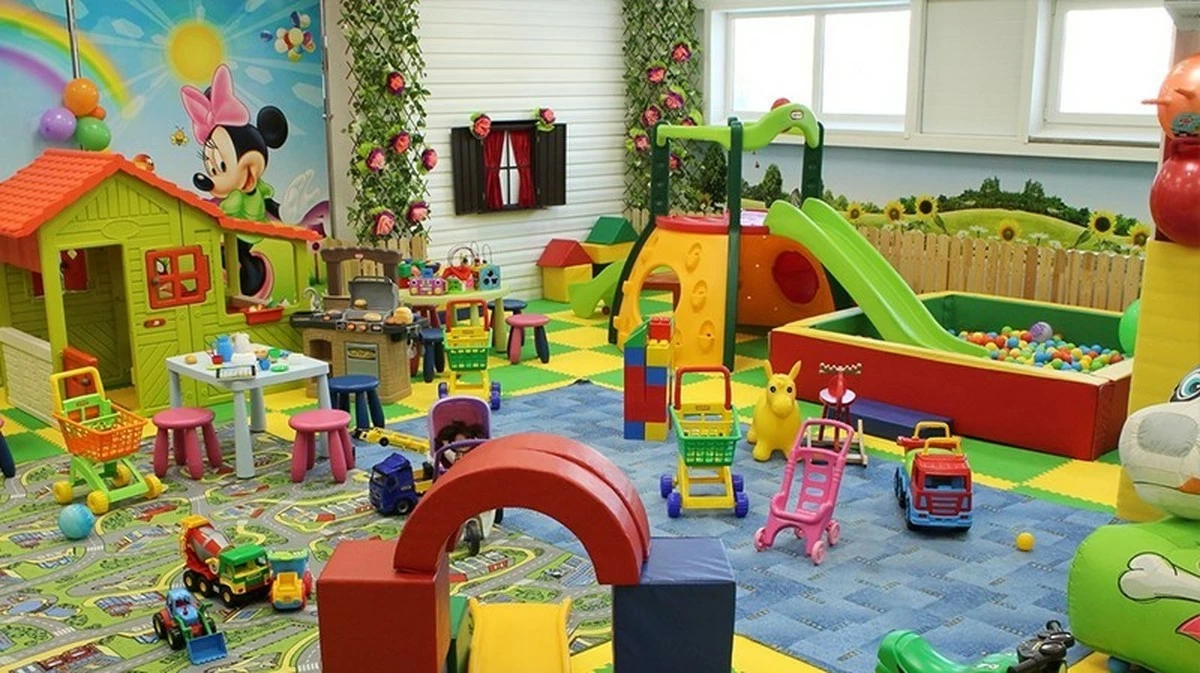
Kuwait has taken a decisive and forward looking step toward safeguarding its youngest residents by introducing new health standards for private nurseries. This move reflects a growing national awareness of the critical role early childhood environments play in shaping lifelong physical emotional and social wellbeing. By tightening regulations and focusing on preventive care Kuwait is signaling that children health is not just a family responsibility but a shared societal priority.
Private nurseries have become an essential part of modern life in Kuwait supporting working families and offering early learning opportunities. With their increasing number and influence the need for unified and enforceable health standards has never been greater. The newly announced measures aim to ensure that every child regardless of the nursery they attend is nurtured in a safe clean and developmentally supportive environment.
A New Vision for Early Childhood Care
The updated health standards represent more than a checklist of rules. They embody a broader vision for early childhood care in Kuwait one that places children holistic wellbeing at the center of policy and practice. Authorities recognize that the earliest years are the most sensitive where exposure to unhealthy environments can have lasting consequences.
These standards are designed to reduce health risks prevent the spread of infectious diseases and promote healthy daily habits from a young age. They also aim to reassure parents that nurseries are not merely places of supervision but structured environments aligned with national health priorities.
Why Health Standards in Nurseries Matter More Than Ever
Young children have developing immune systems making them particularly vulnerable to illness. In group settings like nurseries infections can spread quickly if hygiene and safety measures are not strictly followed. Beyond physical health environmental factors such as cleanliness ventilation and nutrition have a profound impact on cognitive development and emotional stability.
Kuwait decision to strengthen health standards acknowledges these realities. It reflects lessons learned globally about the importance of prevention preparedness and accountability in childcare settings. The goal is simple yet powerful healthier children today mean a stronger more resilient society tomorrow.
Clearer Rules Stronger Protection
One of the most important aspects of the new standards is clarity. Nurseries now have clearly defined expectations regarding health and safety practices. This reduces confusion and ensures that all facilities are evaluated against the same benchmarks.
The standards cover a wide range of areas from daily hygiene routines to emergency preparedness. By formalizing these requirements authorities can more effectively monitor compliance and take action when necessary creating a culture of responsibility rather than reaction.

Enhanced Hygiene and Sanitation Measures
Daily Cleanliness as a Core Requirement
Under the new regulations cleanliness is no longer optional or loosely interpreted. Nurseries are required to follow strict daily cleaning schedules that include classrooms play areas restrooms and sleeping spaces. Toys learning materials and frequently touched surfaces must be sanitized regularly using child safe disinfectants.
This focus on routine hygiene helps reduce the spread of germs and creates a healthier atmosphere for both children and staff. It also instills early habits of cleanliness in children reinforcing positive behaviors that extend beyond the nursery environment.
Safe Waste Management Practices
Proper waste disposal has also been emphasized. Nurseries must implement clear systems for managing diapers food waste and general trash. These measures reduce odors prevent pest infestations and minimize health risks associated with improper waste handling.
Health Screening and Medical Preparedness
Regular Health Checks for Children
The new standards encourage regular health monitoring of children attending nurseries. While respecting privacy and parental consent nurseries are expected to stay alert to signs of illness and act promptly to prevent outbreaks.
Clear protocols are now in place for handling cases of contagious diseases including temporary exclusion policies and communication procedures with parents. This ensures transparency and prioritizes the wellbeing of the entire nursery community.
Staff Medical Fitness and Training
Nursery staff play a crucial role in maintaining health standards. The updated regulations require staff members to meet specific medical fitness criteria ensuring they are physically capable of caring for young children. Regular health checks help protect both caregivers and children.
In addition staff must receive training in basic first aid infection control and emergency response. This empowers them to act confidently and responsibly in critical situations potentially saving lives and preventing complications.
Nutrition Standards That Support Growing Bodies
Balanced and Age Appropriate Meals
Nutrition is a cornerstone of child health and Kuwait new standards reflect this understanding. Nurseries that provide meals or snacks must ensure they are balanced nutritious and suitable for children age groups. Excessive sugar unhealthy fats and highly processed foods are discouraged.
By promoting healthier eating habits early nurseries can positively influence children preferences and reduce the risk of long term health issues such as obesity and diabetes.
Food Safety and Hygiene
Food preparation areas must now meet strict hygiene requirements. Proper storage temperature control and cleanliness are mandatory to prevent food related illnesses. Staff involved in food handling are expected to follow clear safety protocols ensuring every meal served is safe as well as nourishing.
Safer Physical Environments for Children
Improved Indoor Air Quality and Ventilation
Children spend many hours indoors at nurseries making air quality a critical factor. The new standards emphasize proper ventilation and regular maintenance of air conditioning systems. Clean well circulated air reduces respiratory issues and contributes to overall comfort.
Child Friendly Infrastructure and Equipment
Safety extends beyond cleanliness to the physical design of nursery spaces. Furniture play equipment and learning tools must be suitable for children age groups well maintained and free from hazards. Sharp edges unstable structures and unsafe materials are no longer tolerated.
Outdoor play areas are also subject to stricter oversight ensuring surfaces are safe and equipment is regularly inspected.

Emergency Preparedness and Safety Protocols
Clear Plans for Emergencies
The updated health standards require nurseries to have clearly documented emergency plans. These include procedures for fires medical emergencies and other unexpected situations. Regular drills help staff and children become familiar with safety routines reducing panic and confusion.
Secure Access and Child Protection
Security measures have been strengthened to protect children from unauthorized access. Controlled entry points visitor logs and clear child pickup policies help ensure that children are always under the care of authorized individuals.
Accountability and Regular Inspections
Monitoring Compliance
To ensure that standards are not just theoretical regular inspections are a key component of the new framework. Authorities will assess nurseries on hygiene safety nutrition and staff preparedness. These inspections promote consistency and fairness across the sector.
Encouraging Continuous Improvement
Rather than focusing solely on penalties the inspection process also aims to encourage improvement. Nurseries receive guidance on how to address shortcomings fostering a collaborative approach to raising standards across the industry.
What This Means for Parents
For parents the new health standards bring reassurance and confidence. Choosing a nursery is one of the most important decisions families make and knowing that facilities are held to high health standards eases anxiety.
Parents can expect greater transparency clearer communication and a safer environment for their children. This trust strengthens the relationship between families and childcare providers benefiting everyone involved.
Impact on Nursery Operators and Staff
While the new standards may require adjustments they also present an opportunity for private nurseries to enhance their reputation and service quality. Facilities that embrace these changes can position themselves as leaders in childcare excellence.
For staff improved training and clearer guidelines create a more professional and supportive work environment. When caregivers feel equipped and valued the quality of care naturally improves.
A Healthier Start for Kuwait Future Generations
Kuwait decision to set new health standards for private nurseries is a powerful investment in the nation future. By focusing on prevention quality and accountability these measures lay the foundation for healthier happier children.
Early childhood experiences shape who we become and safe nurturing environments are essential to that journey. With these new standards Kuwait is not only protecting its children today but also building a stronger more resilient society for generations to come.
In prioritizing health at the earliest stages of life Kuwait sends a clear message every child deserves the best possible start and the nation is committed to making that promise a reality.
Do follow Gulf Magazine on Instagram.
Also Read – New Trump Media Investors: Kuwait, Chevron, Kremlin Links Fuel Global Interest

