


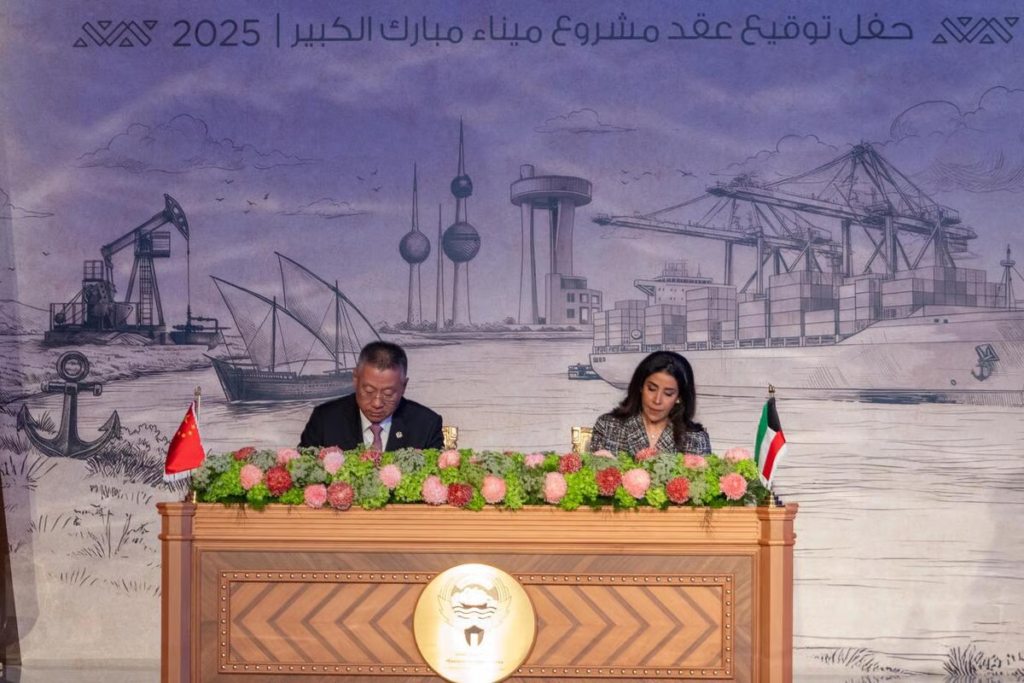
Kuwait has taken a decisive step toward reshaping its economic future by signing a $4.1 billion agreement with China to build a major port project. The deal reflects Kuwait’s ambition to strengthen its role as a regional trade hub while deepening strategic ties with one of the world’s largest economic powers. More than just an infrastructure project, the agreement represents a long-term vision centered on connectivity, diversification, and global integration.
The port is expected to become a cornerstone of Kuwait’s development strategy, positioning the country as a vital gateway linking the Gulf, Asia, and international markets. For Kuwait, the agreement signals confidence, foresight, and a readiness to embrace transformative partnerships that can deliver lasting economic value.
A Strategic Partnership With Global Impact
The agreement between Kuwait and China underscores a growing partnership built on mutual economic interests and shared long-term goals. China brings extensive experience in large-scale infrastructure development, while Kuwait offers a strategic geographic location and a strong desire to expand its non-oil economy.
This partnership is not limited to construction alone. It reflects broader cooperation in trade, logistics, technology, and investment. By working with China on such a significant project, Kuwait is aligning itself with global trade flows and modern infrastructure standards that can support sustainable growth.
The deal also highlights Kuwait’s openness to international collaboration, sending a clear message to global investors that the country is serious about modernization and economic resilience.
The Vision Behind the New Port
The planned port is designed to be more than a traditional shipping facility. It aims to serve as an integrated logistics and commercial hub, equipped with modern terminals, advanced cargo-handling systems, and efficient transport links.
Kuwait envisions the port as a key node connecting regional and international supply chains. Its location will allow it to facilitate the movement of goods between Asia, the Middle East, and beyond, reducing transit times and enhancing trade efficiency.
Beyond trade, the port is expected to support industrial development, warehousing, and value-added services. This holistic approach reflects Kuwait’s desire to create an ecosystem that supports businesses, attracts foreign investment, and generates employment opportunities for its citizens.

A Gateway Between Regions
One of the port’s most significant advantages lies in its potential to act as a bridge between continents. Kuwait’s strategic position at the crossroads of major shipping routes gives the project a natural advantage.
With the new port in place, Kuwait can strengthen its role as a transit point for goods moving between East and West. This positioning enhances the country’s relevance in global commerce and increases its bargaining power within regional and international trade networks.
Economic Diversification at the Core
For decades, Kuwait’s economy has been heavily reliant on oil revenues. While energy remains a key pillar, the government has been actively pursuing diversification to ensure long-term stability. The port project fits squarely within this broader economic transformation agenda.
By investing in logistics and trade infrastructure, Kuwait is expanding sectors that can generate sustainable income beyond hydrocarbons. Ports, shipping services, and related industries offer steady revenue streams and create opportunities for private sector participation.
The project is also expected to stimulate growth in supporting industries such as construction, transportation, finance, and technology, creating a ripple effect across the economy.
Job Creation and Skills Development
Large infrastructure projects inevitably bring employment opportunities, and this port is no exception. From construction to long-term operations, the project is expected to create thousands of jobs.
Equally important is the potential for skills development. Exposure to advanced port technologies and international best practices can help build local expertise in logistics and supply chain management. Over time, this knowledge transfer can strengthen Kuwait’s human capital and support a more competitive workforce.
Strengthening Kuwait–China Relations
The port deal marks a significant milestone in Kuwait–China relations, reflecting growing trust and cooperation between the two nations. China’s involvement signals confidence in Kuwait’s stability and long-term economic potential.
For China, the project aligns with its broader interest in enhancing global connectivity and securing efficient trade routes. For Kuwait, partnering with a global economic powerhouse provides access to expertise, financing capabilities, and operational know-how.
This collaboration sets the stage for future projects, potentially extending cooperation into areas such as renewable energy, technology, and industrial development.
A Long-Term Commitment
Unlike short-term commercial agreements, infrastructure projects of this scale require sustained collaboration and shared commitment. The port deal suggests that both Kuwait and China are prepared to invest time, resources, and strategic effort into making the project a success.
Such long-term partnerships can deepen diplomatic ties and create a foundation for broader economic engagement in the years ahead.
Regional Competition and Opportunity
The Gulf region is home to several major ports, each competing to attract global shipping traffic. Kuwait’s new port enters this competitive landscape with a clear ambition to stand out through strategic location, modern design, and efficient operations.
Rather than viewing competition as a threat, Kuwait sees it as an opportunity to raise standards and innovate. By building a state-of-the-art port, the country aims to complement existing regional hubs while carving out its own niche in global trade.
The project also has the potential to enhance regional cooperation, facilitating smoother trade flows and supporting economic integration across neighboring countries.
Infrastructure as a Catalyst for Growth
Modern infrastructure is often a catalyst for broader economic development, and ports are among the most impactful assets a country can build. Efficient ports reduce costs for businesses, attract foreign investment, and improve overall competitiveness.
For Kuwait, the new port represents a physical manifestation of its development ambitions. It signals a shift toward a more connected, diversified, and forward-looking economy that can adapt to changing global dynamics.
The investment also reflects confidence in the future, demonstrating Kuwait’s willingness to commit significant resources to projects that deliver long-term benefits rather than short-term gains.
Supporting Trade and Investment
As trade volumes grow, the port is expected to attract logistics companies, shipping lines, and investors seeking reliable and efficient access to regional markets. This influx of activity can help position Kuwait as a preferred destination for trade-related investments.
Improved infrastructure also enhances the ease of doing business, making Kuwait more attractive to multinational companies looking for a regional base.
Looking Ahead
The $4.1 billion port deal with China marks a defining moment for Kuwait’s economic journey. It reflects ambition, strategic thinking, and a commitment to building a future that extends beyond traditional economic models.
While challenges are inevitable in projects of this scale, the potential rewards are significant. A successful port can transform trade flows, create jobs, strengthen international partnerships, and reinforce Kuwait’s standing on the global stage.
More importantly, the project symbolizes Kuwait’s confidence in its future and its readiness to play a more prominent role in global commerce. As construction progresses and plans take shape, the port stands as a powerful reminder that strategic investments today can unlock lasting prosperity tomorrow.
Do follow Gulf Magazine on Instagram.
Also Read – Doha Dictionary: Qatar’s Powerful Gift to the Future of Arabic

