

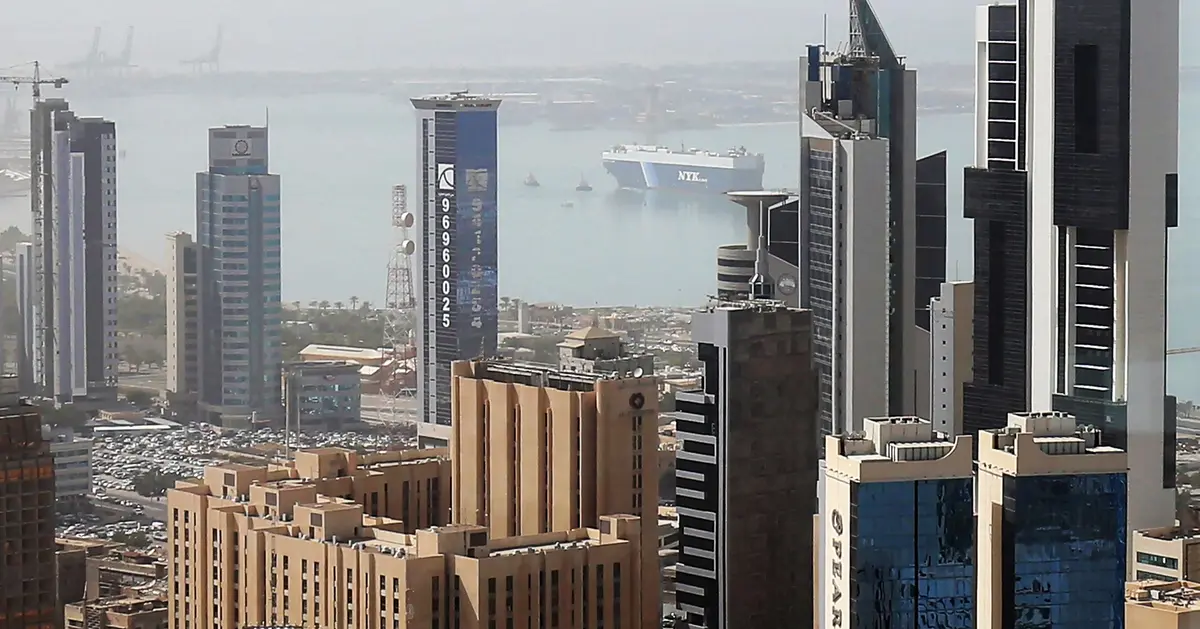
In a significant stride towards enhancing its infrastructure, Kuwait has recently signed contracts worth KD238 million to modernize its power and water distillation facilities. This initiative not only aims to improve efficiency but also focuses on sustainability and long-term resource management. With a growing population and increasing demand for reliable energy and water supply, this modernization effort is timely and essential.
Understanding the Modernisation Initiative
Kuwait’s commitment to modernizing its power and water distillation plants reflects a broader trend among Gulf Cooperation Council (GCC) economies to invest in infrastructure resilience. The contracts will encompass advanced technologies that promise to enhance operational efficiency and reduce waste.
As the nation grapples with the challenges posed by rising temperatures and fluctuating water resources, this initiative is a proactive step towards securing a more sustainable future.
Key Features of the Contracts
The contracts signed by Kuwait include a range of upgrades and improvements to existing facilities. These enhancements will focus on several critical areas.
First, the introduction of cutting-edge technology is designed to optimize energy consumption. This is particularly vital for Kuwait, where energy demand peaks during the scorching summer months.
Second, the modernization will involve the integration of environmentally friendly practices. By utilizing advanced water treatment processes, the initiative aims to minimize environmental impact while ensuring that the water supply remains clean and safe.
Finally, the contracts emphasize the importance of local expertise and workforce development, which is crucial for maintaining a skilled labor force in the long run.
The Economic Impact of Modernization
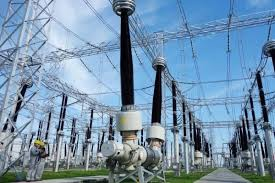
The financial implications of Kuwait’s decision to invest KD238 million in modernizing its power and water distillation plants are substantial. This investment not only signifies a commitment to improving public services but also stimulates job creation within the country.
As new technologies are implemented, there will be a need for skilled workers to operate and maintain these advanced systems. This demand can lead to growth in local training programs, ultimately benefiting the Kuwaiti economy.
Moreover, improved infrastructure can attract foreign investment. Businesses seeking reliable energy and water sources will find Kuwait an appealing option, further diversifying the economy away from oil dependency.
Sustainability at the Core
With climate change becoming an increasingly pressing issue, Kuwait’s modernization initiative is also rooted in sustainability. By reducing the carbon footprint associated with power generation and water distillation, the country is taking steps towards fulfilling its environmental commitments.
The modernization efforts will likely incorporate renewable energy sources, such as solar power, which is abundant in the region. This shift not only supports Kuwait’s goals for sustainability but also aligns with global trends toward cleaner energy.
Challenges Ahead
While the modernization of power and water distillation plants presents numerous opportunities, it is not without challenges. Implementing new technologies requires careful planning and execution to avoid disruptions in service during the transition period.
There may also be resistance to change from various stakeholders who are accustomed to traditional methods. Addressing these concerns through effective communication and stakeholder engagement will be crucial to the success of the modernization initiative.
Future Prospects for Kuwait’s Infrastructure
Looking forward, the modernization of Kuwait’s power and water distillation plants sets a precedent for future infrastructure projects. It signals a shift towards a more resilient and sustainable approach to resource management in the region.
As Kuwait continues to invest in its infrastructure, other GCC countries may look to this initiative as a model for their modernization efforts. The potential for collaboration and knowledge sharing among Gulf nations could further enhance regional sustainability goals.
Conclusion: A Step Toward a Sustainable Future
Kuwait’s decision to sign contracts worth KD238 million to modernize its power and water distillation plants marks a pivotal moment in the country’s development. By embracing advanced technologies and sustainable practices, Kuwait is not only addressing immediate resource challenges but also paving the way for a more resilient future.
As the nation continues on this path, it sets an inspiring example for others in the region, showcasing the importance of investing in infrastructure and sustainability for long-term growth and stability.
Do follow Gulf Magazine on Instagram
Also Read – Saudi Arabia Vision 2030 Charts: 10 Insights in Motion

