


The Smart Water Management (SWM) sector in Kuwait is emerging as one of the most promising segments in the country’s infrastructure landscape. With a market valuation of approximately USD 420 million, the sector is poised for robust growth over the next decade. Driven by government initiatives, technological innovation, and the increasing demand for sustainable water solutions, Kuwait’s SWM market is evolving into a strategic priority for both public and private stakeholders.
The Rising Importance of Smart Water Management
Water scarcity and efficient resource utilization have become pressing concerns globally, and Kuwait is no exception. The country faces challenges related to limited natural freshwater resources, growing urbanization, and rising water consumption across domestic, commercial, and industrial sectors. Smart Water Management offers a technological approach to address these challenges, combining IoT sensors, real-time monitoring systems, automated leak detection, and advanced analytics to optimize water use.
By implementing smart solutions, Kuwait is aiming not only to conserve water but also to reduce operational costs and enhance the sustainability of its water infrastructure. These measures are increasingly attracting investments and encouraging local and international players to enter the market.
Market Overview and Key Drivers
The Kuwait SWM market, currently valued at around USD 420 million, is witnessing rapid adoption of digital technologies across water utilities, municipalities, and private enterprises. Several key factors are driving this growth:
Government Initiatives and Vision
Kuwait’s government has recognized the importance of modernizing its water infrastructure. Strategic plans, including smart city initiatives and sustainable development goals, are fueling investments in digital water management. These programs emphasize efficiency, reliability, and environmental responsibility, encouraging utilities to adopt smart technologies such as remote monitoring systems, automated water metering, and predictive maintenance.
Technological Advancements
Advances in Internet of Things (IoT), Artificial Intelligence (AI), and Big Data are transforming traditional water management systems into intelligent networks. Sensors and smart meters provide real-time data on water quality, consumption patterns, and potential leakages. AI-driven analytics allow utilities to predict failures, optimize distribution, and reduce wastage, ensuring that resources are used efficiently.
Increasing Urbanization and Industrial Demand
Kuwait’s rapid urbanization and industrial growth have significantly increased water demand. Residential complexes, commercial establishments, and industrial facilities are increasingly investing in smart water solutions to monitor consumption and manage costs. The adoption of SWM systems helps reduce operational inefficiencies, minimizes water loss, and ensures reliable supply, making them a preferred choice for large-scale consumers.
Environmental and Sustainability Concerns
With climate change and water scarcity becoming more pronounced, sustainable water management has gained momentum. Smart Water Management systems play a critical role in promoting environmental responsibility. By reducing water wastage and optimizing resource utilization, these solutions support Kuwait’s commitment to sustainability while enhancing resilience against future water crises.
Key Segments in the Kuwait SWM Market
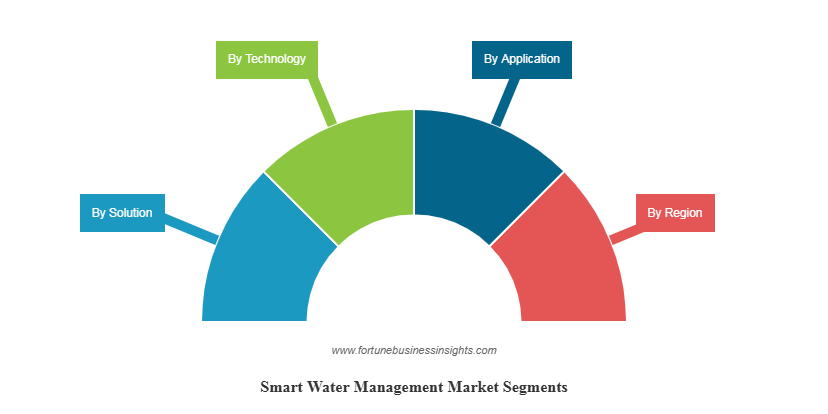
The market can be broadly segmented into solution types, end-users, and technologies. Understanding these segments provides insight into growth opportunities and market dynamics.
By Solution Type
- Smart Metering Systems – These systems enable precise measurement of water consumption, allowing for accurate billing and monitoring. Smart meters also detect anomalies and leaks, helping utilities address issues proactively.
- Leak Detection and Pressure Management – Advanced sensors and AI analytics identify leaks in pipelines and monitor pressure levels. This reduces water losses and extends the lifespan of infrastructure.
- Water Quality Monitoring – Real-time water quality monitoring ensures compliance with safety standards, supporting both residential and industrial needs.
- Network Optimization and Data Analytics – Data-driven solutions enhance operational efficiency by providing insights into consumption patterns, distribution issues, and predictive maintenance requirements.
By End-User
- Residential Sector – Homeowners and residential complexes are increasingly adopting smart meters and leak detection systems to reduce water bills and manage consumption efficiently.
- Commercial Sector – Hotels, offices, and retail establishments utilize SWM solutions to monitor large-scale water usage and implement conservation practices.
- Industrial Sector – Industries such as oil and gas, manufacturing, and power generation rely on precise water management to ensure operational efficiency and regulatory compliance.
- Government and Utilities – Municipalities and water utilities form the backbone of the SWM market, deploying large-scale solutions for city-wide monitoring, distribution, and leak detection.
By Technology
IoT, AI, cloud computing, and advanced sensors are the core technologies driving the SWM market in Kuwait. The integration of these technologies ensures seamless connectivity between devices, efficient data processing, and actionable insights for decision-making.
Opportunities for Investors and Stakeholders
The Kuwait SWM market presents significant growth opportunities for investors, technology providers, and policymakers. The increasing need for sustainable water solutions, coupled with government support and rising urbanization, makes this sector highly attractive.
Public-Private Partnerships
Collaboration between government entities and private technology providers is creating avenues for large-scale SWM projects. Public-private partnerships enable the deployment of advanced solutions while sharing investment risks and maximizing operational efficiency.
Export and Regional Expansion
Kuwait’s leadership in SWM could serve as a model for neighboring countries in the Gulf Cooperation Council (GCC). Companies operating in Kuwait can leverage local expertise to expand into regional markets, offering solutions tailored to similar water scarcity challenges.
Innovation and Startups
The SWM sector encourages innovation through startup participation. Companies developing AI-driven analytics, smart sensors, and cloud-based platforms can gain traction in Kuwait, positioning themselves as pioneers in the regional smart water ecosystem.
Challenges and Roadblocks
Despite the strong growth potential, the market faces several challenges that stakeholders must navigate.
High Initial Investment
Smart Water Management systems require significant upfront investment for installation, sensors, and software platforms. Smaller utilities or residential projects may face budget constraints, slowing adoption.
Integration with Existing Infrastructure
Integrating smart solutions with legacy water infrastructure poses technical challenges. Utilities need to ensure compatibility and seamless data exchange between old and new systems, which can delay deployment.
Data Security and Privacy
With real-time monitoring and cloud-based data collection, concerns regarding data security and privacy have emerged. Safeguarding sensitive consumption data is critical to maintaining public trust and regulatory compliance.
Skilled Workforce Requirement
Implementing and managing SWM solutions requires skilled personnel in IT, data analytics, and engineering. The shortage of trained professionals can limit the speed and scale of adoption.
Future Outlook
The future of the Kuwait Smart Water Management market looks promising. By 2030, the sector is expected to witness exponential growth, driven by technological innovation, sustainability mandates, and increasing awareness of water conservation. Smart solutions will become the standard for utilities, industrial users, and residential communities alike.
Emerging technologies such as AI-based predictive analytics, blockchain for transparent water billing, and advanced IoT networks will further revolutionize the sector. Additionally, Kuwait’s commitment to sustainable development and smart city initiatives will ensure that SWM remains a strategic priority for the government and private investors.
Conclusion
Kuwait’s Smart Water Management market, valued at approximately USD 420 million, represents a compelling opportunity for investors, technology providers, and policymakers. With strong government support, technological advancement, and growing environmental awareness, the sector is set for robust growth. By adopting innovative solutions, Kuwait can ensure sustainable water management, reduce operational costs, and improve efficiency across residential, commercial, and industrial sectors.
The journey toward a smart water future is not without challenges, but the combination of strategic planning, investment, and technological innovation positions Kuwait to become a regional leader in sustainable water management. The SWM market is more than just a business opportunity—it is a critical enabler of environmental stewardship, urban resilience, and long-term prosperity for the nation.
Do follow Gulf Magazine on Instagram.
Also Read – GCC Industrial Investments Surge to $616 Billion in 2025, Kuwait Leads with $225 Billion

