

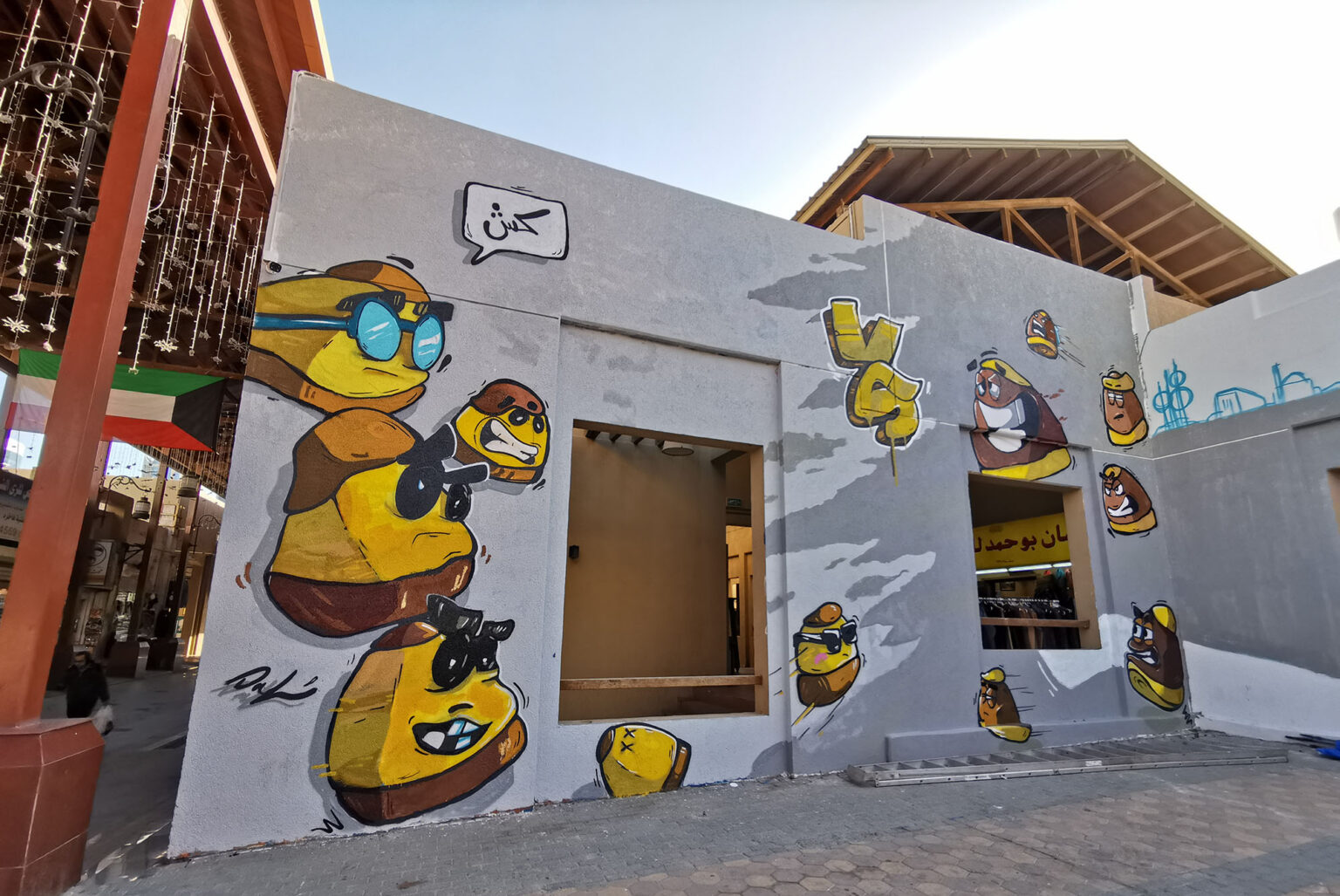
Street art has long been a voice for the voiceless, a canvas for creativity that often thrives in the shadows of urban landscapes. In Kuwait, this vibrant art form is experiencing a remarkable transition, as local street artists move from graffiti-covered walls to refined gallery spaces. This shift not only reflects a change in artistic expression but also highlights the evolving cultural landscape of Kuwait.
The Emergence of Street Art in Kuwait
Street art in Kuwait has flourished over the past decade, showcasing the talents of both emerging and established artists. Initially, graffiti was seen as a form of rebellion, a way for artists to express their opinions on social and political issues. The walls of Kuwait’s cities became a canvas for these voices, filled with bold colors, intricate designs, and powerful messages.
As street art gained popularity, it began to resonate with a wider audience. Artists started to gain recognition not just for their work on the streets, but also for their potential to contribute to the cultural dialogue in Kuwait. This recognition paved the way for many to explore opportunities beyond the urban landscape.
Transitioning to Gallery Spaces
The transition from graffiti to gallery spaces is a significant milestone for Kuwait’s street artists. Galleries offer a platform that legitimizes their work, allowing them to reach audiences who may not venture into the streets. This movement signifies an acceptance of street art as a legitimate art form, with a place in the country’s cultural heritage.
Many artists have embraced this shift, utilizing their unique styles to create pieces that fit within the more traditional frameworks of galleries. This blending of styles has not only expanded their creative horizons but has also attracted a diverse audience eager to engage with contemporary art.
The Role of Local Galleries
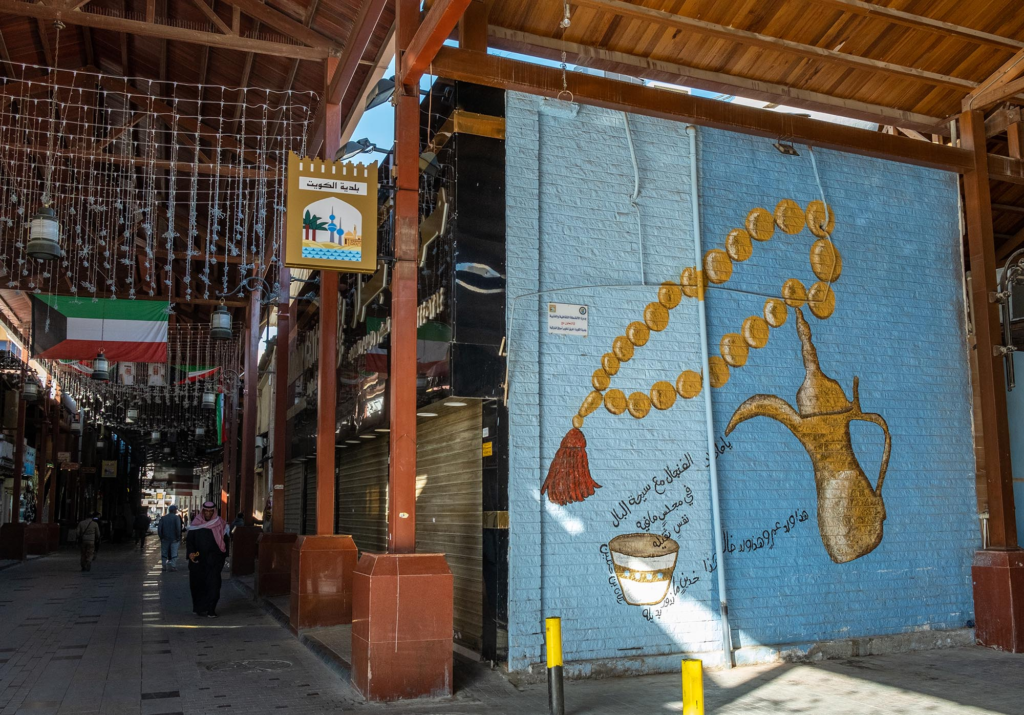
Local galleries have played an essential role in facilitating this transition. They have actively sought out street artists, providing them with opportunities to showcase their work in curated exhibitions. These galleries often emphasize the importance of cultural expression and encourage artists to explore themes relevant to Kuwaiti society.
By hosting exhibitions featuring street art, these galleries are helping to redefine the perception of this art form. They create an environment where dialogue can flourish, encouraging conversations about cultural identity, social issues, and the role of art in community building.
The Impact on the Art Community
This move to gallery spaces has had a profound impact on the local art community. Artists are now able to collaborate with curators, critics, and fellow creatives in ways that were previously limited to traditional artists. Additionally, these new opportunities allow them to gain valuable insights into the business side of art, such as marketing and sales.
As street artists continue to gain traction in the gallery scene, they are also inspiring a new generation of creators. Young artists are encouraged to explore their identities and express their thoughts through their work, leading to a rich tapestry of artistic expression that reflects Kuwait’s diverse culture.
Challenges and Opportunities
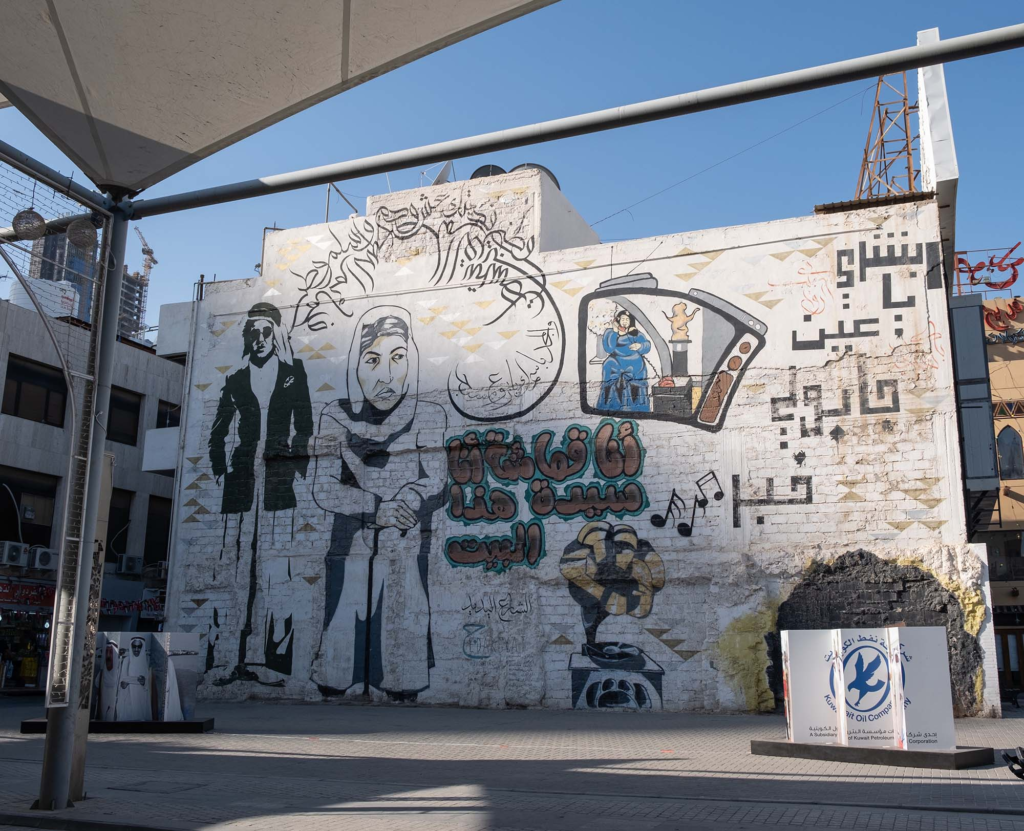
While the transition from graffiti to gallery spaces offers exciting opportunities, it is not without its challenges. Some street artists face criticism for abandoning their roots, as traditionalists argue that graffiti is inherently tied to the streets and should remain there. This tension highlights the ongoing debate about the authenticity and commercialization of street art.
Moreover, the commercial pressures of gallery spaces can sometimes conflict with the rebellious nature of street art. Artists must navigate these waters carefully, balancing their desire for recognition with their commitment to authentic expression.
Despite these challenges, the opportunities presented by gallery spaces often outweigh the drawbacks. Artists can gain exposure, increase their sales potential, and reach audiences that were previously inaccessible.
The Future of Street Art in Kuwait
Looking ahead, the future of street art in Kuwait appears promising. As more artists transition to galleries, there is a growing acceptance of street art as a vital component of the cultural landscape. This acceptance fosters a supportive community where creativity can flourish.
Moreover, the collaboration between street artists and local businesses, schools, and cultural institutions is likely to increase. This synergy encourages a culture of appreciation for art in everyday life, enriching the community and inspiring future generations.
Conclusion
The journey of Kuwait’s street artists from graffiti to gallery spaces reflects a transformative moment in the nation’s artistic expression. This evolution not only highlights the growing recognition of street art as a legitimate form but also emphasizes the importance of cultural dialogue within society. As these artists continue to bridge the gap between the streets and galleries, they are ensuring that their voices remain heard and celebrated.
Do follow Gulf Magazine on Instagram.
Also Read – Women-Only Gym Hours Kuwait: Morning Sessions Now Available

