

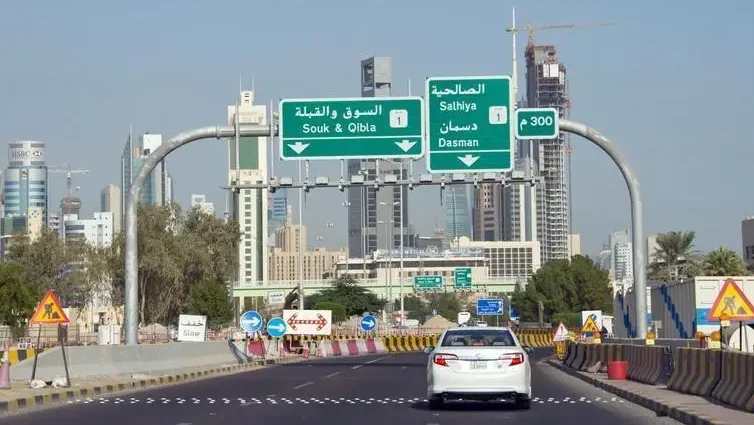
The Kuwait Public Authority for Roads has announced a comprehensive update to its traffic safety policies, aiming to enhance road safety, reduce accidents, and promote responsible driving behavior across the country. These updates reflect Kuwait’s ongoing commitment to creating safer roads for all residents and visitors.
The authority emphasized that traffic management and road safety are national priorities. With an increasing number of vehicles on Kuwaiti roads and rapid urban development, these updated policies are intended to address current challenges and prepare for the future of road safety.
Key Changes in Kuwait Traffic Safety Policies
The updated traffic safety policies introduce several crucial changes designed to improve driving standards and road management. Here are some of the highlights:
- Stricter Penalties for Violations: The new regulations impose higher fines for speeding, reckless driving, and other traffic violations. This is part of the authority’s effort to discourage unsafe behavior and ensure drivers adhere to the rules.
- Enhanced Safety Standards for Vehicles: Vehicle inspections have become more stringent, particularly regarding brake systems, tires, and lighting. Compliance with these standards is mandatory for road licensing.
- Improved Road Signage and Infrastructure: Roads across Kuwait will undergo upgrades, including clearer signage, additional pedestrian crossings, and improved street lighting in high-risk areas.
- Focus on Driver Education: Educational programs will be rolled out to raise awareness of traffic laws, safe driving techniques, and the consequences of violations.
- Technology Integration: New monitoring systems, including advanced cameras and AI-powered traffic management tools, will help detect violations and optimize traffic flow.
These measures collectively aim to reduce accidents, enhance traffic flow, and encourage responsible driving behavior across the country.
Why Kuwait Traffic Safety Policies Matter
Road safety is a critical concern for Kuwait. Statistics show that traffic accidents are among the leading causes of injuries and fatalities in the country. By updating traffic safety policies, the Kuwait Public Authority for Roads seeks to:
- Reduce Traffic Accidents: Stricter penalties and better monitoring aim to lower the number of collisions on Kuwaiti roads.
- Protect Pedestrians and Cyclists: Improved road infrastructure and pedestrian-friendly measures enhance safety for non-motorized road users.
- Encourage Safe Driving Culture: Awareness campaigns and driver education programs help instill a sense of responsibility among motorists.
- Support Urban Development: Safer roads contribute to smoother traffic flow, which is essential for the growth of cities and economic activities.
The authority highlighted that these updates are part of Kuwait’s broader vision for sustainable and safe urban mobility.
Implementation Timeline and Enforcement
The new traffic safety policies will be implemented in phases to ensure smooth adaptation by the public and authorities. Initial enforcement will focus on public awareness and education, followed by strict penalties for repeated violations. Key steps include:
- Phase 1: Awareness Campaigns – Informing drivers about the new rules, penalties, and safety measures through media, social campaigns, and public outreach.
- Phase 2: Gradual Enforcement – Introducing fines and penalties while giving drivers time to adjust.
- Phase 3: Full Implementation – Strict enforcement across all highways and urban roads, with automated monitoring and regular inspections.
Authorities encourage drivers to familiarize themselves with the updated policies to avoid penalties and contribute to a safer driving environment.
What Drivers Need to Know
Motorists in Kuwait are urged to pay attention to several critical points under the updated traffic safety policies:
- Speed Limits: Speeding fines have increased, and new zones with adjusted speed limits have been introduced in high-risk areas.
- Mobile Phone Use: Using mobile phones while driving carries stricter penalties to discourage distracted driving.
- Seat Belts and Child Safety: All occupants must use seat belts, and children must be secured in approved safety seats.
- Vehicle Maintenance: Cars must pass safety inspections before renewal of registration to ensure roadworthiness.
- Driving Licenses: Certain violations may result in temporary suspension or additional training requirements.
Adhering to these updated guidelines not only helps avoid fines but also ensures safer roads for everyone.
Public Response and Expert Opinions

The announcement has been met with a mix of reactions. Traffic experts and safety advocates have welcomed the updates, citing the need for stricter regulations to reduce accidents. Some drivers, however, express concerns about adjustment periods and increased costs associated with vehicle compliance.
Experts emphasize that the success of these updates depends on public cooperation, robust enforcement, and continuous awareness campaigns. Community involvement, including reporting unsafe practices and participating in educational programs, will play a crucial role in achieving the intended outcomes.
Future of Road Safety in Kuwait
The Kuwait Public Authority for Roads has stated that these updates are part of a long-term strategy to make Kuwait a global example of traffic safety and road management. Future plans include:
- Smart Traffic Solutions: Expansion of intelligent traffic systems that use AI to monitor and manage traffic in real-time.
- Green Mobility Initiatives: Encouraging the use of electric vehicles and sustainable transportation methods.
- Enhanced Training Programs: Partnering with driving schools and community organizations to provide ongoing education.
- Data-Driven Policy Making: Using accident and traffic data to continuously refine and improve traffic regulations.
Through these efforts, Kuwait aims to create a safer, more efficient, and environmentally friendly transportation system.
Conclusion
The update of Kuwait traffic safety policies marks a significant step toward improving road safety, reducing accidents, and fostering responsible driving behavior. By combining stricter regulations, modern technology, and public awareness campaigns, the Kuwait Public Authority for Roads is ensuring that the country moves toward safer, more organized roadways.
Drivers and residents are encouraged to familiarize themselves with these updates, comply with regulations, and participate in building a culture of safety on Kuwait’s roads. The success of these policies will depend not only on enforcement but also on a shared commitment from the community to protect lives and ensure smooth traffic for all.
Do Follow Gulf Magazine on Instagram

