

Kuwait’s decision to issue Requests for Proposals (RFPs) for 500 megawatts of renewable energy projects marks a major step towards shaping a cleaner and more resilient energy system. For years, the country has been associated with its substantial oil reserves and generations of economic strength powered by hydrocarbons. Now, Kuwait is sending a clear message that its energy landscape is evolving in a meaningful, forward-looking direction.
This move aligns with Kuwait’s long-term sustainability goals, but it also reflects a growing regional and global urgency to diversify energy sources. For Kuwait, the issuance of RFPs is more than just a technical process. It is a powerful declaration of intent, placing clean energy at the heart of the nation’s future.
Why the 500MW Initiative Matter
The scale of 500MW in renewable capacity is transformative for Kuwait. It signals a commitment to cleaner technologies such as solar and wind, which are rapidly becoming cost-effective and efficient. As energy consumption rises across the region, these projects will help reduce reliance on conventional fuel sources, diversify the power mix, and strengthen long-term national resilience.
The initiative also has a human dimension. For citizens, businesses, and the younger generation entering the workforce, the move represents new opportunities for employment, innovation, and advanced skills. It reflects a transition from traditional fossil-fuel dependency to a future driven by technological progress and environmental responsibility.
Powering Kuwait’s Economic Diversification Journey
Kuwait’s evolving energy strategy builds on its commitment to diversify its economy. As global markets and investors increasingly prioritise sustainability, Kuwait’s renewable efforts help maintain competitiveness while attracting new partnerships.
The 500MW initiative supports the country’s broader economic transformation goals by:
- Encouraging private sector involvement in renewable development
- Creating long-term investment opportunities
- Reducing the carbon footprint of energy production
- Building local expertise in fast-growing green technologies
This is not only a shift in infrastructure but a shift in direction. A stronger renewable energy sector enhances Kuwait’s position as a progressive player in the global energy landscape.
A Closer Look at the RFP Process
The issuance of RFPs is a critical part of any large infrastructure development. It ensures transparency, competition, and access to global expertise. For Kuwait’s renewable projects, the RFP phase invites leading international and regional companies to propose solutions, designs, and technologies that maximise efficiency and performance.
These proposals are expected to cover a wide range of aspects:
- Power generation technology
- Grid integration systems
- Project design and engineering
- Environmental sustainability metrics
- Financing models and timelines
Through this structured process, Kuwait positions itself to select partners that offer both world-class capabilities and a strong alignment with the country’s sustainability vision.
Renewables and the Human Experience
While policy, technology, and investment form the technical backbone of the renewable shift, the real impact is felt at the human level. Cleaner air, sustainable urban growth, more efficient energy systems, and new job markets shape a healthier and more prosperous society.
For students and young professionals, the growth of renewable energy in Kuwait provides fresh pathways to build careers in engineering, research, operations, and digital technologies. For families and communities, renewable energy promises more stable electricity costs, better environmental quality, and improved public health outcomes.
This transition is as much about people as it is about power. Kuwait’s investment in renewables reflects care for future generations and a determination to build a high-quality living environment.
A Regional Momentum Toward Clean Energy
Across the Middle East, renewable energy is gaining unprecedented momentum. Countries such as Saudi Arabia, the UAE, and Oman have all launched large-scale clean energy programs, recognising both environmental responsibility and economic necessity.
Kuwait’s issuance of RFPs places it firmly within this regional movement. The country’s strategic location, sunlight-rich environment, and strong infrastructure base offer powerful advantages for renewable energy development. By joining this growing shift, Kuwait reinforces regional collaboration and strengthens shared climate commitments.
The Role of Solar in Kuwait’s Future
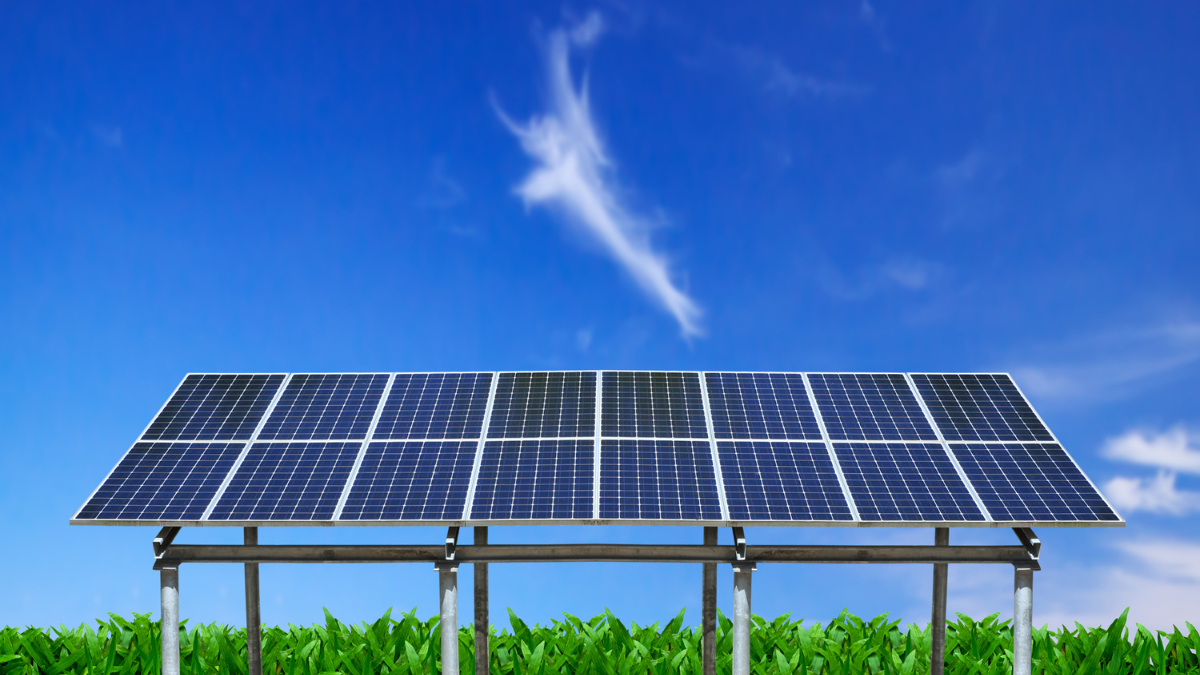
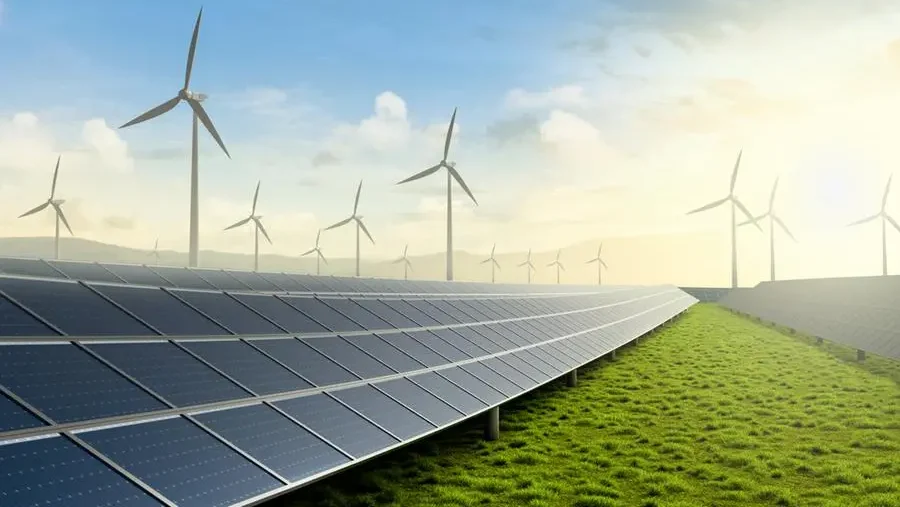
Solar power is expected to play a central role in the 500MW renewable portfolio. With abundant sunlight throughout the year, Kuwait is uniquely positioned to develop high-efficiency photovoltaic and concentrated solar power systems.
Solar energy offers several long-term benefits:
- Lower operational costs
- Reduced carbon emissions
- Long lifecycle and minimal maintenance
- Strong potential for local manufacturing and supply chain growth
As technology continues improving, solar efficiency is rising, making it one of the most practical and scalable clean energy solutions for the country.
Wind Energy’s Growing Potential
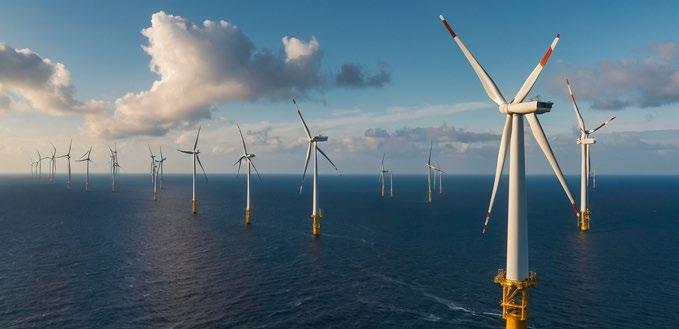
Although traditionally less explored in Kuwait compared to solar, wind energy is increasingly gaining traction in the region. Wind farms may contribute part of the 500MW capacity, offering a complementary energy source that strengthens grid reliability.
With modern turbine designs and advanced forecasting systems, wind energy has become more predictable and cost-effective. Integrating wind into Kuwait’s energy mix could bring enhanced diversity and year-round power balance.
Strengthening Kuwait’s Grid for a Renewable Future
A successful renewable transition requires strong grid infrastructure capable of integrating variable energy sources. As Kuwait moves toward more renewable capacity, investments in transmission systems, smart grids, and energy storage become essential.
Grid modernisation brings additional benefits:
- Higher operational efficiency
- Reduced energy losses
- Real-time monitoring and management
- Enhanced resilience against outages
These upgrades ensure that renewable energy is not just produced efficiently, but also delivered reliably to homes, industries, and businesses.
Environmental and Social Benefits of the 500MW Projects
Beyond energy supply, Kuwait’s renewable expansion offers significant environmental and social benefits. Cleaner energy reduces carbon emissions, supports national climate commitments, and contributes to global sustainability goals.
Key benefits include:
- Improved air quality
- Reduced greenhouse gas emissions
- Stronger ecological protection
- Better public health outcomes
For residents, these improvements can translate into a healthier lifestyle, sustainable urban development, and a more vibrant community environment.
Global Partnerships and Innovation Opportunities
The RFP process attracts global leaders who bring world-class technology, financing, and project expertise. Kuwait stands to benefit from partnerships that transfer knowledge, expand local capabilities, and introduce cutting-edge renewable solutions.
Collaborations between government entities, private companies, and research institutions can create innovation hubs that nurture homegrown talent and accelerate the country’s clean energy transformation.
Building a Skilled Renewable Energy Workforce
One of the most lasting impacts of the 500MW projects will be the development of a skilled national workforce. Renewable energy industries require expertise in engineering, digital systems, project management, sustainability sciences, and more.
Through training programs, academic partnerships, and technical workshops, Kuwait can build a strong pool of professionals ready to lead future energy initiatives. This knowledge transfer strengthens long-term national capacity and reduces dependence on external support.
Long-Term Vision: A Cleaner, Smarter, More Connected Kuwait
The renewable energy projects represent far more than additional megawatts of power. They embody a vision of a cleaner, smarter, and more connected Kuwait. With a balanced energy mix, strong grid infrastructure, and empowered workforce, the country can position itself as a leader in regional sustainability.
Over the coming years, these renewable projects will help:
- Enhance energy independence
- Improve long-term economic stability
- Strengthen global competitiveness
- Foster sustainable innovation
It is a vision driven by responsibility, opportunity, and ambition.
Looking Ahead: The Promise of a Sustainable Future
As Kuwait progresses through the RFP phase and moves toward implementation, the country stands on the threshold of a new era. The 500MW renewable energy initiative reflects a deep understanding of global change and a determination to embrace the future with confidence.
The journey toward sustainability is a long one, but Kuwait’s decisive steps today lay the groundwork for a brighter and more resilient tomorrow. With every new project, the nation strengthens its ability to adapt, innovate, and lead.
Do Follow Gulf Magazine on Instagram
Read More:- Late Afsha Penalty Denies Kuwait Famous Victory in Doha 2025

