


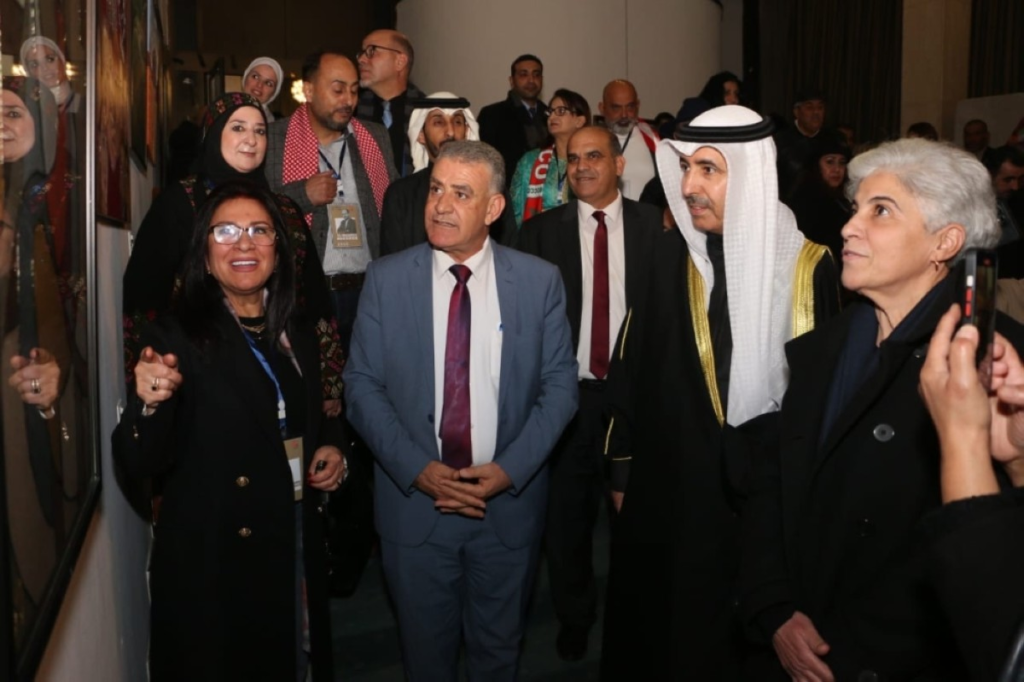
Kuwaitis made a striking cultural statement at a major exhibition in Jordan, presenting a rich tapestry of traditions, arts, and shared values that resonated deeply with visitors. The exhibition became more than a display of heritage; it evolved into a living dialogue between cultures, reflecting history, creativity, and the enduring human need for connection. Through thoughtful presentation and heartfelt engagement, Kuwait’s cultural presence stood out as both authentic and warmly inviting.
The atmosphere of the exhibition was filled with curiosity and admiration. Visitors moved through spaces that told stories of the past while also highlighting how Kuwaiti culture continues to evolve. The experience felt personal rather than formal, as exhibitors interacted openly with guests, answered questions, and shared memories connected to the objects and traditions on display.
A Celebration of Shared Arab Identity
The exhibition emphasized the deep cultural ties between Kuwait and Jordan, rooted in shared language, values, and regional history. Rather than focusing solely on national distinction, Kuwaiti participants highlighted common ground, reminding visitors that culture often grows strongest through exchange and mutual respect.
Traditional hospitality played a central role. Kuwaiti hosts welcomed guests with warmth, embodying customs that place generosity and openness at the heart of social life. This approach helped transform the exhibition space into a gathering place, where conversations flowed naturally and visitors felt genuinely included.
Traditional Attire as a Living Story
Kuwaiti traditional clothing attracted particular attention, not only for its elegance but for the stories woven into each garment. Men’s and women’s attire reflected generations of craftsmanship, adapted to the Gulf’s environment while expressing identity and pride.
Exhibitors explained how fabrics, colors, and designs evolved over time, shaped by trade, climate, and social customs. Visitors were often surprised to learn how practical needs influenced beauty, creating clothing that was both functional and expressive.
Art That Bridges Past and Present
Artistic expression formed a powerful bridge between Kuwait’s past and present. The exhibition featured works inspired by traditional motifs alongside contemporary interpretations, demonstrating how artists honor heritage while speaking to modern experiences.
Paintings, calligraphy, and mixed-media pieces invited visitors to reflect on themes of belonging, memory, and change. Many guests lingered in these sections, finding personal meaning in works that, while distinctly Kuwaiti, spoke to universal emotions.
Calligraphy and the Power of Language
Arabic calligraphy held a special place within the exhibition, celebrated as both an art form and a spiritual practice. Kuwaiti calligraphers showcased styles that balanced precision with emotion, each stroke reflecting patience and devotion.
For many visitors, watching calligraphy demonstrations became a memorable highlight. Seeing words take shape by hand offered a quiet reminder of the beauty found in slowing down and honoring tradition in an increasingly fast-paced world.
Music, Rhythm, and Collective Memory
Music and performance added a dynamic layer to the exhibition, transforming static displays into immersive experiences. Traditional Kuwaiti rhythms echoed through the space, inviting audiences to feel the culture rather than simply observe it.
Performers shared songs connected to seafaring life, celebrations, and communal gatherings. These performances carried emotional weight, reminding listeners of shared histories across the region and the role of music in preserving collective memory.
Dance as Cultural Expression
Traditional dances captured attention with their synchronized movements and expressive gestures. Each performance told a story, whether of daily life, historical events, or social bonds within the community.
Audience members often found themselves drawn into the rhythm, clapping along or asking questions afterward. These moments of interaction blurred the line between performer and spectator, reinforcing the exhibition’s spirit of inclusivity.
Cuisine That Feels Like Home
Kuwaiti cuisine played a central role in engaging the senses. The aromas of familiar spices and slow-cooked dishes created an immediate sense of comfort, drawing visitors toward food displays and tasting areas.
Rather than presenting food as mere samples, exhibitors shared the cultural significance behind each dish. Stories of family gatherings, festive occasions, and recipes passed down through generations added emotional depth to every bite.
Food as a Language of Connection
For many visitors, tasting Kuwaiti dishes sparked memories of their own family traditions. Conversations naturally emerged around shared flavors and cooking methods, highlighting how food often serves as a universal language that transcends borders.
This culinary exchange reinforced the idea that culture is lived and felt, not just displayed. Through food, Kuwaitis offered a piece of home, creating moments of genuine connection.
Handicrafts and the Beauty of Skill
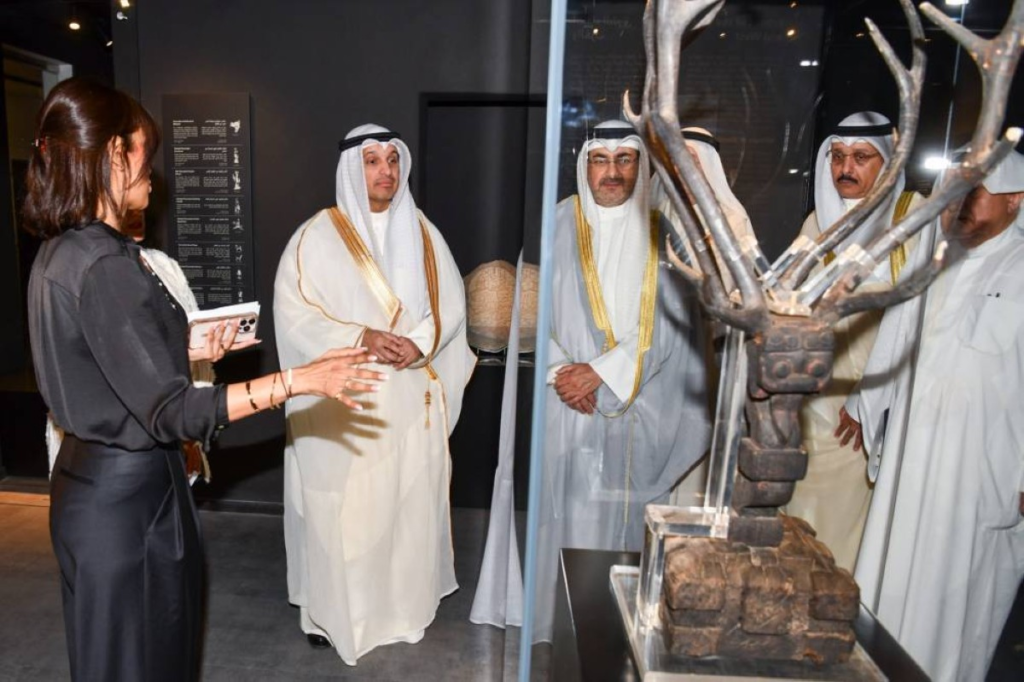
Handcrafted items showcased the patience and skill embedded in Kuwaiti craftsmanship. From weaving and embroidery to woodwork and jewelry, each piece reflected hours of dedication and an intimate relationship between maker and material.
Exhibitors emphasized the importance of preserving these crafts in a modern world. By demonstrating techniques and explaining their cultural context, they inspired appreciation not only for the finished products but for the process itself.
Preserving Tradition Through Teaching
Many Kuwaiti participants expressed a strong commitment to passing knowledge on to younger generations. The exhibition became a platform to discuss education, mentorship, and the responsibility of keeping traditions alive.
Visitors, especially young people, showed keen interest in learning about these crafts. This curiosity offered hope that cultural heritage can continue to thrive through engagement and adaptation.
A Platform for Cultural Dialogue
Beyond showcasing Kuwait’s heritage, the exhibition served as a space for meaningful dialogue. Discussions about identity, modern challenges, and the role of culture in shaping society took place organically throughout the event.
Kuwaiti participants listened as much as they spoke, valuing exchange over presentation. This approach fostered mutual understanding and reinforced the idea that culture grows richer when shared openly.
Strengthening Regional Bonds
The presence of Kuwait at the Jordan exhibition symbolized more than cultural pride; it represented a commitment to regional solidarity. By celebrating heritage together, participants strengthened bonds that extend beyond politics or economics.
Many visitors expressed appreciation for this cultural outreach, noting how it deepened their understanding of Kuwait and reinforced feelings of shared belonging within the Arab world.
Human Stories at the Heart of the Exhibition
What truly set the exhibition apart were the personal stories behind each display. Kuwaitis shared memories of grandparents, childhood experiences, and moments that shaped their relationship with their culture.
These stories transformed objects into living symbols, reminding visitors that culture is ultimately about people. The emotional honesty of these exchanges left a lasting impression, making the exhibition feel intimate and sincere.
Culture as a Living Experience
Rather than presenting culture as something fixed in the past, Kuwaitis highlighted its ongoing evolution. They spoke about balancing tradition with modern life, embracing change while honoring roots.
This perspective resonated strongly with visitors facing similar questions in their own societies. It reinforced the idea that cultural identity is not static but continually shaped by lived experience.
Lasting Impact Beyond the Exhibition
As the exhibition concluded, its impact continued to ripple outward. Visitors left with a deeper appreciation for Kuwaiti culture and a renewed sense of connection across borders.
For Kuwaiti participants, the experience reaffirmed the value of cultural representation and exchange. It demonstrated how sharing heritage can build understanding, inspire pride, and strengthen human connections.
The Jordan exhibition ultimately stood as a powerful reminder that culture is one of humanity’s most effective bridges. Through warmth, creativity, and openness, Kuwaitis showcased not only their traditions but also the enduring spirit of community that lies at the heart of cultural expression.
Do follow Gulf Magazine on Instagram.
Also Read – Kuwaitis Participate in Gulf Bridges for Young Leaders Program

