

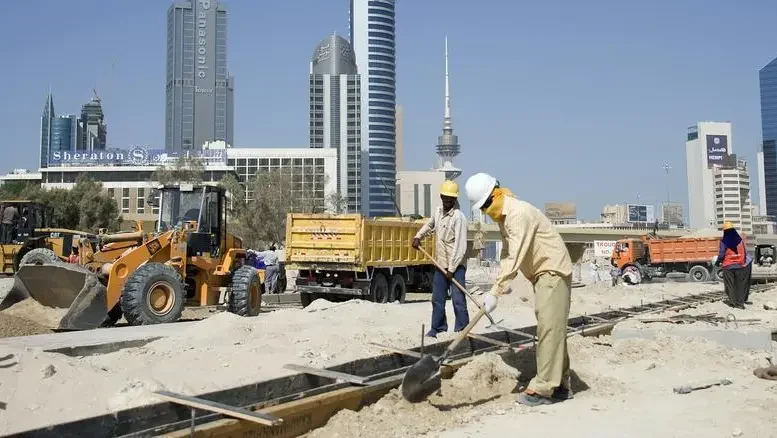
Kuwait’s Construction Sector Faces Declining Projects, Rising Costs, and Labor Shortages
Kuwait’s construction industry, which has long been a vital part of the nation’s economy, is currently facing a number of challenges that are putting a strain on the sector. Among these hurdles are a slowdown in new projects, increasing construction costs, and severe labor shortages. These factors are affecting the industry’s ability to deliver projects on time and within budget, threatening the growth of a key economic driver in the country.
Declining Number of Construction Projects
Kuwait’s construction industry has seen a steady decrease in the number of new projects in recent years. While the sector experienced significant growth during the economic boom of the early 2000s, recent trends show a decline in both public and private sector developments. One of the key reasons for this slowdown is the global economic uncertainty, compounded by the COVID-19 pandemic, which forced many investors and businesses to scale back or postpone their projects.
In addition, reduced government spending on infrastructure and construction projects in Kuwait has added to the issue. The government’s shift in priorities, focusing more on social and health initiatives due to the global health crisis, has further delayed many ongoing and planned developments.
As a result, many construction companies are struggling to secure new contracts. The number of bids for large-scale projects has diminished, and smaller firms are finding it difficult to compete in a shrinking market.
Rising Costs of Construction Materials and Labor
Along with a slowdown in the number of new projects, the construction sector in Kuwait is facing a significant rise in the cost of materials and labor. Prices for basic construction materials such as steel, cement, and timber have increased dramatically in recent months, as a result of supply chain disruptions caused by the pandemic, inflation, and rising global demand for materials.
The shortage of materials has led to delays in construction projects, as contractors are unable to access the materials they need at affordable prices. For instance, the price of steel has surged due to a combination of limited supply and increased demand for infrastructure projects worldwide.
On top of rising material costs, construction companies in Kuwait are also struggling with labor shortages. Many skilled laborers, particularly in the fields of welding, plumbing, and electrical work, are either unavailable or unwilling to work in Kuwait due to a combination of factors, including unfavorable working conditions, low wages, and limited opportunities for career advancement.
The issue of labor shortages is particularly noticeable in the aftermath of the pandemic, which caused many migrant workers to return to their home countries. While some have since returned, others have not, leaving a void in the labor market. This has caused delays in projects and increased the pressure on the remaining workers to complete tasks within tight deadlines.
Impact on Ongoing and Future Projects
The combination of rising material costs, labor shortages, and a decline in new project approvals has led to significant delays in both ongoing and upcoming construction projects in Kuwait. Developers and contractors are being forced to re-evaluate timelines and budgets, often resulting in cost overruns and extended project durations.
For example, several key infrastructure projects, such as road construction and public housing developments, have seen considerable delays due to a lack of available labor and an inability to secure the necessary materials. These delays have not only increased costs for developers but have also put a strain on the overall economy, as many of these projects were meant to stimulate growth and provide much-needed public services.
Moreover, developers are finding it more difficult to attract new investments due to the uncertain environment surrounding the construction industry. As a result, projects that could have contributed to economic growth are being delayed, further slowing the country’s economic recovery after the pandemic.
Solutions and Industry Adaptations
Despite the challenges, there are ways that Kuwait’s construction sector can adapt to the current situation and find solutions. Experts have pointed out several strategies that could help the industry recover and thrive in the face of adversity.
One potential solution is the increased use of technology and innovation in construction. For instance, building information modeling (BIM) and advanced construction software can help streamline project management and reduce delays. By adopting such technologies, construction firms can improve the efficiency of their operations and minimize disruptions caused by material shortages or labor gaps.
Another option is improving the recruitment and retention of skilled labor. Although labor shortages are a significant challenge, there is potential to address this issue by offering better wages, improving working conditions, and providing more opportunities for training and career development. By fostering a better environment for workers, Kuwait can attract and retain the skilled labor force it needs to complete its construction projects on time.
Additionally, it may be beneficial for the government to prioritize investments in large-scale infrastructure projects that could provide immediate economic relief. Government-funded projects can help stimulate the economy and provide job opportunities for both local and foreign workers, reducing the impact of labor shortages in the private sector.
Looking Ahead: What’s Next for Kuwait’s Construction Sector?
While Kuwait’s construction sector is facing several challenges, the outlook for the future is not entirely bleak. With the right strategies in place, such as improving labor conditions, adopting technological solutions, and securing government support, the sector has the potential to recover and thrive.
However, for this to happen, the government, industry leaders, and developers must work together to address the issues at hand. Increased investment in the construction sector, coupled with efforts to tackle the labor shortage and rising costs, will be crucial to ensuring the long-term success and sustainability of the industry.
As Kuwait navigates these difficult times, it is important for all parties involved to remain adaptable and forward-thinking. The construction sector can play a key role in the country’s economic recovery, but only if its challenges are addressed effectively and efficiently.
Conclusion
Kuwait’s construction industry is currently in a challenging phase. Rising costs, declining numbers of projects, and labor shortages have placed the sector in a difficult position. However, by focusing on innovation, improving labor conditions, and securing government support, there is hope that the sector can recover and contribute to the nation’s growth in the years to come. The construction industry’s resilience will depend on the efforts of all stakeholders working together to overcome the obstacles in its path.
Do follow gulf magazine on Instagram
for more information click here

