

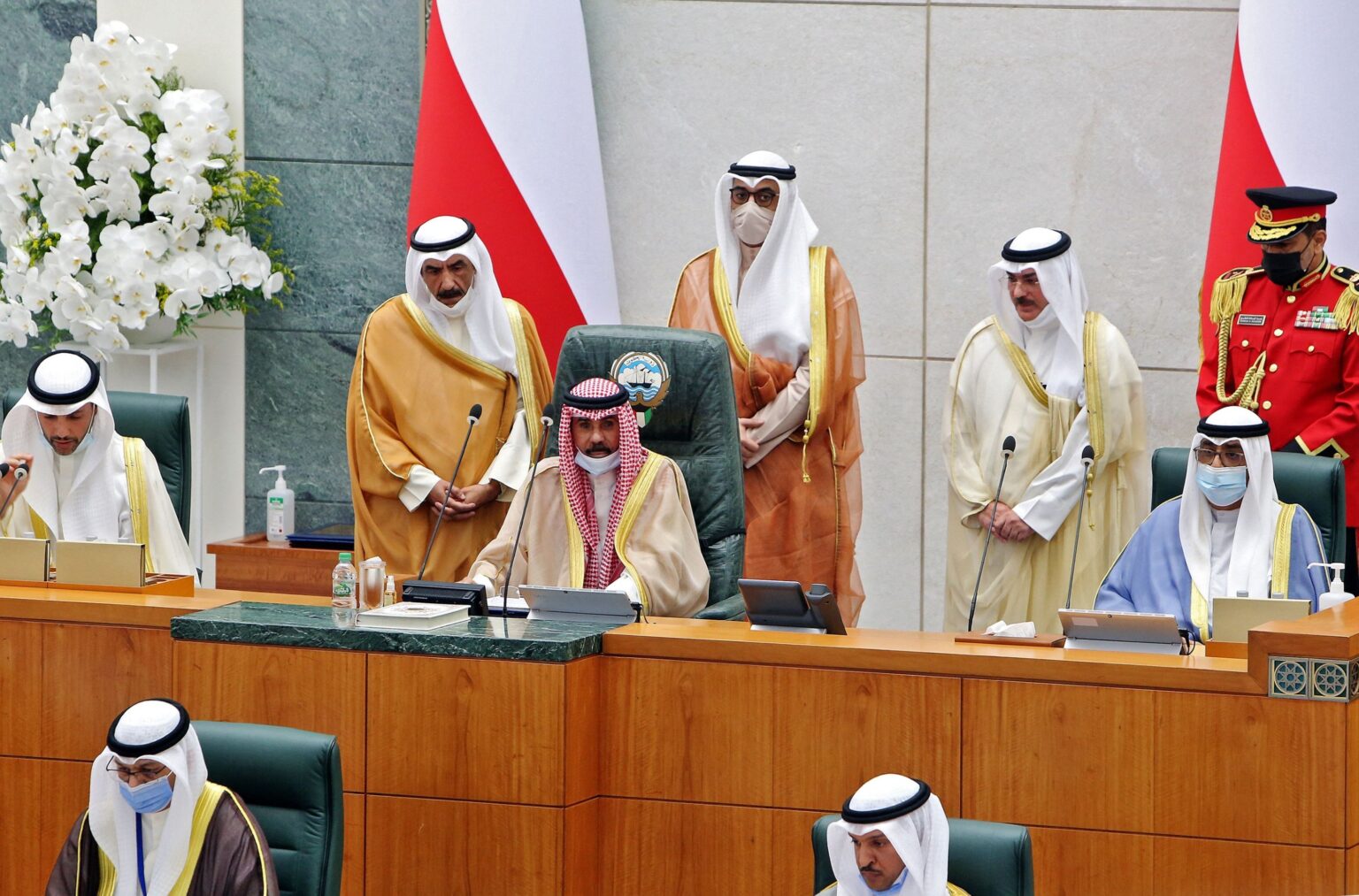
Government in Flux a significant development that has captured global attention, Kuwait’s Emir has officially accepted the resignation of the country’s Deputy Prime Minister and Oil Minister. The move signals a critical shift in Kuwait’s political landscape, as the nation grapples with its reliance on oil while considering broader economic reforms.
This change comes at a time when Kuwait’s leadership faces increasing pressure to diversify its economy and reduce its dependency on fossil fuels. The resignation, which has stirred both concern and optimism, is seen by many as a bold step toward addressing the pressing challenges in the oil sector and the broader political framework. As one of the world’s leading oil producers, the Ministry of Oil is crucial to Kuwait’s financial stability, making this resignation particularly impactful.
Political Shifts in Kuwait’s Government
Kuwait has long been a stable pillar in the Middle East, known for its vast oil reserves and geopolitical influence. However, the decision to accept the resignation of such a senior figure within the government underscores the Emir’s desire to navigate a changing political landscape. Kuwait has consistently expressed the need for modernization in its approach to both governance and economic policy, especially as regional and global trends evolve.
In particular, the leadership has increasingly focused on the necessity of reducing the state’s heavy dependence on oil revenues. As global calls for sustainability and diversification grow louder, Kuwait’s government is keen to promote new industries, such as technology, finance, and healthcare, that can complement its oil-driven economy. The resignation signals a willingness to embrace fresh perspectives that may help guide the country through this period of transition.
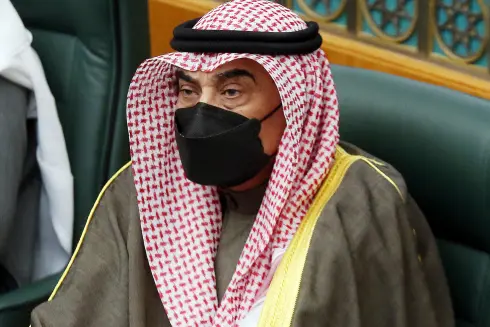
Furthermore, the resignation may be an indication of the broader efforts within Kuwait’s political circles to promote transparency, accountability, and efficiency. This move is seen as an opening for new leaders to take charge and steer the country toward a future that balances its rich history with the demands of a modern global economy.
The Oil Sector: Opportunities and Challenges
Kuwait’s oil sector has faced significant challenges in recent years, from fluctuating oil prices to the increasing global push for renewable energy. The resignation of the Deputy Prime Minister and Oil Minister raises the question of how Kuwait will adapt to these new global realities. The country has long been heavily dependent on oil exports, but as the world moves towards more sustainable energy solutions, Kuwait’s leadership must find ways to innovate and secure its place in the future of energy.
The new leadership in the Ministry of Oil is expected to focus on improving efficiency within the oil sector while also exploring renewable energy options. There is also potential for Kuwait to invest in cleaner technologies that align with international efforts to reduce carbon emissions. This could involve major reforms in the country’s oil production practices, with an emphasis on environmental sustainability and technological innovation.
Moreover, Kuwait’s efforts to diversify its economy and invest in non-oil sectors could play a key role in reshaping the future of the nation. With the resignation of the Deputy Prime Minister and Oil Minister, many hope that the country will explore these opportunities with renewed vigor.
International Reactions and Strategic Implications
The resignation has also sparked considerable international interest, particularly within the oil and energy markets. Kuwait is a vital member of OPEC, and its decisions regarding oil production and policy often have far-reaching consequences. With the global energy market shifting toward alternative energy sources, the question of how Kuwait will navigate this transformation is of significant importance to both global stakeholders and local populations.
The international community is closely watching Kuwait’s next moves. The change in leadership could lead to shifts in the country’s foreign policy, especially regarding trade relations with key energy consumers such as China, India, and the United States. Additionally, global investors and energy firms will likely monitor how Kuwait manages its energy sector and adjusts to global trends in environmental sustainability.
This moment of transition could also present Kuwait with an opportunity to strengthen its diplomatic ties with neighboring Gulf states and other oil-rich nations. As the Middle East continues to evolve in terms of energy production and economic collaboration, Kuwait’s new leadership could play a pivotal role in shaping the region’s future energy policies and strategic alliances.
A New Era for Kuwait?
The resignation of the Deputy Prime Minister and Oil Minister marks a significant turning point for Kuwait as it navigates both internal and external pressures to modernize. This is a moment of opportunity for the country, as it seeks to reinvent itself in a world that is increasingly moving away from fossil fuels and toward more sustainable sources of energy. The next steps will be crucial, not only for Kuwait but also for the broader Gulf region.
Kuwait has always been known for its ability to adapt to changing circumstances, and this leadership change could be the catalyst needed to drive meaningful reforms. As the country prepares for the future, it will need to balance its rich oil heritage with the global call for sustainability and diversification. The world will be watching to see how Kuwait rises to meet these challenges, and whether this new chapter in its political and economic life will usher in a more sustainable and dynamic future.

