

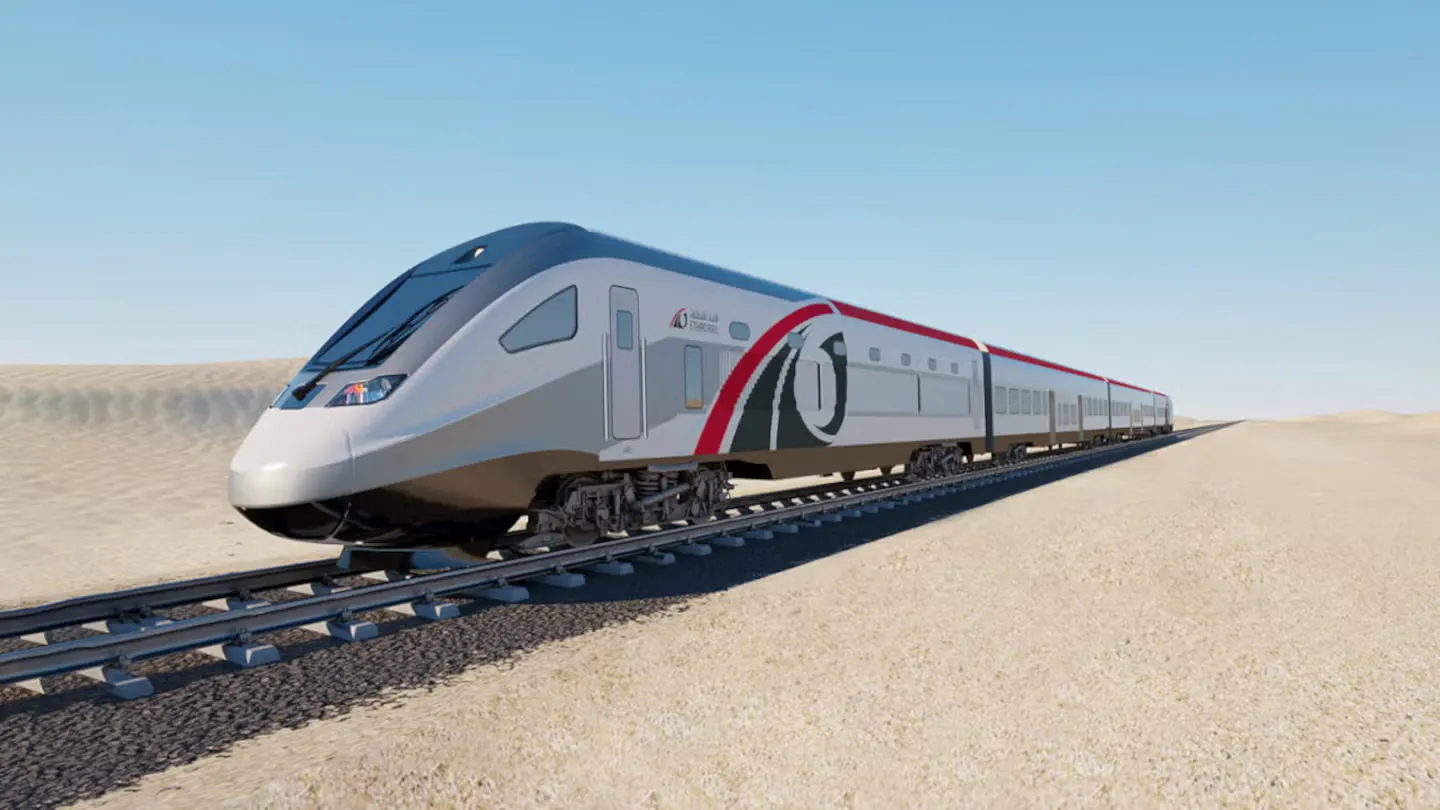
The vision of faster, smarter, and more connected travel in the UAE is steadily turning into reality. According to recent reports, Etihad Rail has awarded key contracts for its highly anticipated high-speed rail project, marking a defining step in the country’s transport evolution.
For years, the idea of traveling between major cities in record time has captured public imagination. Now, with contracts reportedly awarded, that dream appears closer than ever. The project represents more than just tracks and trains. It is about connecting communities, boosting economic growth, and reshaping how people experience travel across the region.
The development has generated excitement not only in the UAE but also across neighboring countries, including Oman, where cross-border connectivity remains a topic of strong interest. As the Gulf region continues to invest in world-class infrastructure, this high-speed rail initiative stands out as one of the most ambitious transportation undertakings.
A Major Milestone for Regional Connectivity
The awarding of high-speed rail contracts signals a significant milestone in the UAE’s long-term infrastructure strategy. Etihad Rail, which has already played a central role in building the national railway network, is now pushing boundaries with faster passenger-focused services.
High-speed rail promises to dramatically reduce travel times between key cities. Instead of long highway journeys, passengers could travel in comfort and speed, arriving at their destinations in a fraction of the current time. This shift has the potential to redefine daily commuting, weekend travel, and even business logistics.
Beyond convenience, such connectivity strengthens economic ties. Businesses can operate more efficiently when transport networks are reliable and swift. Investors are often drawn to regions with advanced infrastructure, and high-speed rail is widely seen as a symbol of progress and stability.
For families, it could mean easier visits between cities. For professionals, it may open new job markets without the burden of long-distance driving. For students, it might expand access to educational institutions across emirates.
What the High-Speed Rail Project Means
Faster Travel, Greater Efficiency
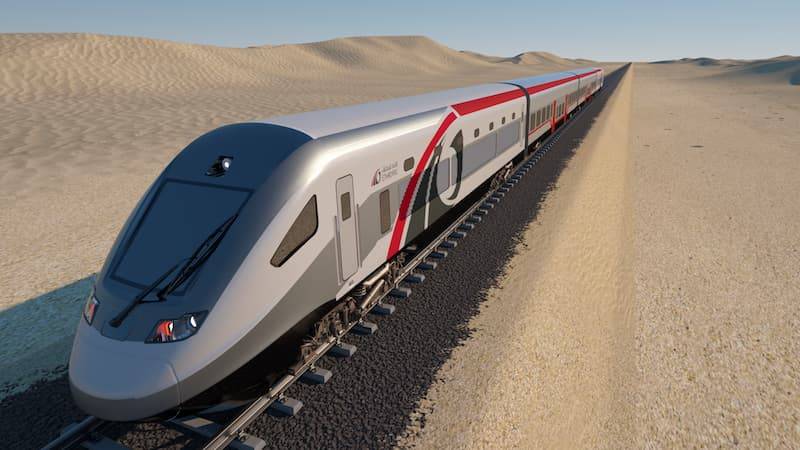
High-speed trains are designed to operate at significantly higher speeds than conventional rail systems. This allows passengers to travel longer distances in shorter times while enjoying modern amenities and safety features.
The UAE has consistently focused on adopting cutting-edge technologies. The high-speed rail system is expected to reflect this commitment, integrating advanced engineering, digital systems, and passenger comfort solutions.
Efficiency is not just about speed. It also involves reliability and sustainability. Rail transport is often considered more environmentally friendly than road travel, helping reduce carbon emissions and traffic congestion. In a region that is actively pursuing sustainability goals, this shift aligns with broader environmental commitments.
Strengthening Economic Growth
Infrastructure projects of this magnitude generate widespread economic benefits. During construction, they create thousands of jobs, ranging from engineering and project management to technical and support roles.
Once operational, high-speed rail can stimulate sectors such as tourism, hospitality, retail, and real estate. Areas near train stations often experience increased development, leading to new business hubs and residential communities.
For the wider Gulf region, including Oman, enhanced rail connectivity could support trade and tourism exchanges. The possibility of smoother cross-border travel strengthens economic cooperation and encourages shared growth.
Enhancing Passenger Experience
Modern travelers expect more than just transportation. They seek comfort, safety, and efficiency. High-speed rail systems around the world are known for spacious seating, smooth rides, and seamless booking systems.
If implemented as envisioned, Etihad Rail’s high-speed service could redefine regional travel standards. From digital ticketing to real-time updates and integrated transport links, the experience is expected to be user-centric.
This focus on passenger comfort reflects a broader shift in infrastructure planning, where human experience takes center stage.
A Vision Years in the Making
Etihad Rail has already demonstrated its capability through the development of the UAE’s freight and passenger rail network. The expansion into high-speed rail represents a natural progression of its strategic roadmap.
The country’s leadership has consistently emphasized diversification and innovation. Investments in transport infrastructure support these goals by reducing dependence on road networks and enhancing overall efficiency.
Reports suggesting that high-speed rail contracts have been awarded indicate that planning and groundwork have advanced significantly. Such projects require extensive feasibility studies, engineering assessments, and international collaboration. Reaching the contract stage reflects years of preparation and coordination.
For many residents, the high-speed rail initiative feels like the next chapter in the nation’s rapid modernization story.
Regional Impact and Oman’s Perspective
The Gulf region has increasingly focused on strengthening regional transport links. Oman, in particular, has shown interest in integrated rail connectivity with neighboring countries.
While the current reports focus on Etihad Rail’s high-speed project within the UAE, its broader implications extend beyond national borders. Improved rail infrastructure in the UAE can facilitate future cross-border rail developments, supporting smoother travel and trade.
For Oman, stronger transport ties with the UAE can enhance tourism flows and commercial exchanges. Businesses operating between the two countries may benefit from faster and more predictable travel options.
Regional cooperation in infrastructure often creates a ripple effect, encouraging further collaboration and shared development initiatives.
Challenges and Forward Momentum
Large-scale infrastructure projects are never without challenges. High-speed rail systems demand significant investment, technical expertise, and careful coordination. Land acquisition, engineering complexities, and regulatory approvals are among the many factors that must be managed effectively.
However, the UAE’s track record in delivering mega-projects offers confidence. From airports and highways to world-class ports and urban developments, the country has consistently demonstrated its ability to transform ambitious plans into tangible realities.
The reported awarding of contracts suggests that Etihad Rail is moving beyond planning into execution. Each step forward strengthens confidence in the project’s eventual completion.
Transforming How People Move
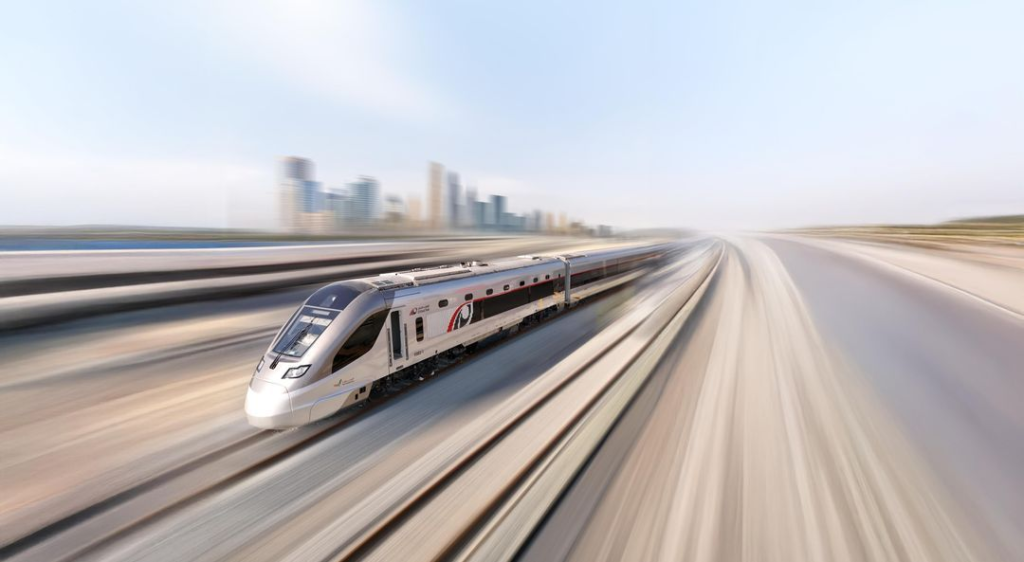
Transportation shapes how societies function. When travel becomes faster and more accessible, opportunities expand. High-speed rail has the power to reshape commuting habits, influence urban planning, and redefine business operations.
Imagine being able to attend a meeting in another city and return home the same day without the fatigue of long road journeys. Imagine tourists exploring multiple destinations in a single trip with ease. Imagine students accessing universities across regions without relocating permanently.
These possibilities highlight why high-speed rail is more than a transport project. It is a transformative initiative that touches everyday lives.
Looking Ahead
As Etihad Rail reportedly awards high-speed rail contracts, anticipation continues to grow. While details regarding timelines and operational dates will unfold over time, the momentum is unmistakable.
This development underscores the UAE’s commitment to building a future-ready transport ecosystem. It reflects confidence in growth, belief in innovation, and dedication to improving quality of life.
For residents, businesses, and neighboring countries like Oman, the high-speed rail project represents opportunity. Opportunity for faster connections, stronger economies, and a more integrated region.
The tracks may still be under construction, but the direction is clear. A new era of travel is on the horizon, promising speed, comfort, and progress for generations to come.
Do Follow Gulf Magazine on Instagram
Read More:- Strong Market Fundamentals Shine as Bahrain Bourse Slips 2026

