

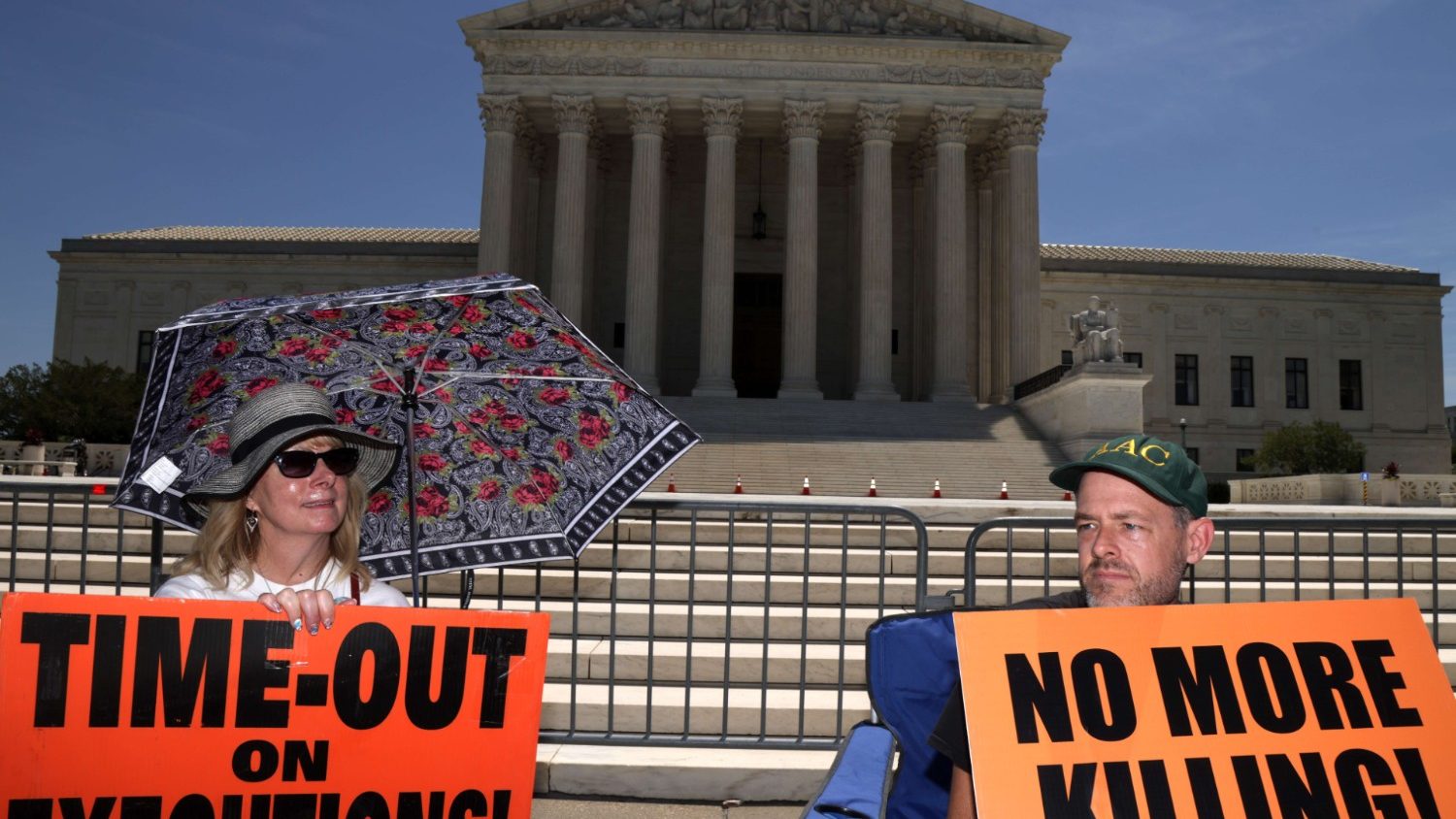
In a chilling new report, Amnesty International Reveals has announced that global executions surged dramatically in 2024, reaching the highest number in a decade. According to the rights group’s annual review, at least 1,518 people were executed worldwide last year — a staggering 32% increase compared to 2023.
This alarming rise is mainly driven by just a few countries, with Iran, Iraq, and Saudi Arabia alone responsible for more than 90% of all recorded executions. Amnesty International has raised serious concerns about the fairness of trials and the use of the death penalty as a political tool in some nations.
Iran Tops the List With a Record Number of Executions
Iran remained the world’s top executioner after China, carrying out at least 972 executions in 2024. This figure represents nearly two-thirds of all executions globally. It also marks the highest number recorded by Amnesty in Iran since 2015.
Most disturbing is the sharp increase in executions related to drug offenses. Despite international laws discouraging the death penalty for non-lethal crimes, Iran has continued to use it extensively for drug-related charges. Human rights groups argue that marginalized communities, particularly ethnic minorities such as Kurds and Baluchis, are disproportionately affected.
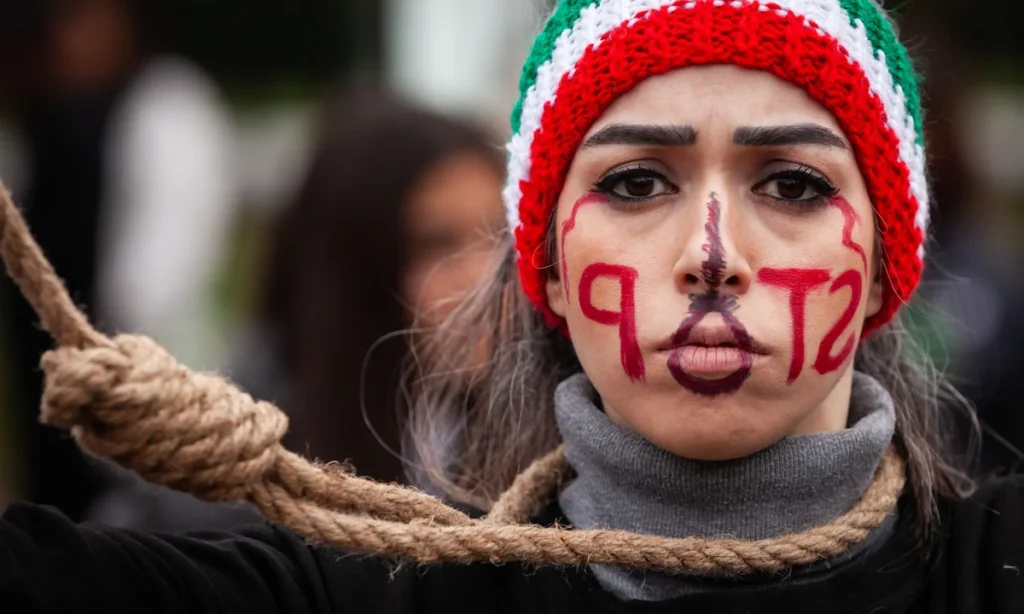
Agnès Callamard, Amnesty International’s Secretary General, stated, “The Iranian authorities are using the death penalty not just as punishment but as a means of instilling fear and suppressing dissent.”
Executions in Iran were often carried out in secrecy, with families and the public sometimes notified only after the execution had taken place. Amnesty pointed out that many trials failed to meet international standards of fairness.
Iraq: Four Times More Executions in a Single Year
In Iraq, executions quadrupled compared to the previous year. At least 63 executions were carried out in 2024, up from just 16 in 2023. Most were linked to terrorism charges under Iraq’s Anti-Terrorism Law.
Observers have expressed alarm about Iraq’s heavy reliance on confessions obtained under torture, raising serious doubts about the legitimacy of many death sentences. International organizations have urged Iraq to halt executions and reform its justice system to prevent wrongful convictions and abuses.
The United Nations also noted that Iraq’s frequent use of the death penalty poses major obstacles to national reconciliation and long-term peace efforts in the region.
Saudi Arabia Sets Grim Record With Execution Numbers
Saudi Arabia also recorded a massive spike in executions, with at least 345 people put to death in 2024. This number is double that of the previous year and is the highest annual total recorded in the kingdom for three decades.
Despite previous promises to limit the death penalty — particularly for non-violent crimes — Saudi Arabia executed people for offenses such as drug trafficking, apostasy, and political activism. Amnesty and other human rights watchdogs have accused Saudi authorities of using executions to silence critics and opposition voices.
Trials in Saudi Arabia often lack transparency, with defendants denied access to proper legal representation. Many cases involve confessions obtained under duress, according to human rights reports.
“The Saudi government’s claims of reform are simply not credible when faced with such a horrifying record of executions,” said Heba Morayef, Amnesty’s Regional Director for the Middle East and North Africa.
A Growing Divide: Fewer Countries, More Executions
One notable trend is that while fewer countries are carrying out executions overall, those that still use the death penalty are doing so more aggressively. In 2024, only 15 countries are known to have conducted executions, the lowest number Amnesty has recorded.
Yet the sheer number of people executed points to a growing divide between abolitionist countries and those that continue to embrace capital punishment.
Amnesty International emphasized that over two-thirds of the world’s nations have abolished the death penalty in law or practice, but progress remains fragile in regions like the Middle East and parts of Asia.
The organization also warned that China, believed to execute thousands each year, continues to keep its death penalty data classified as a state secret, making it difficult to assess the full global picture.
Urgent Calls for Change
Amnesty International renewed its urgent call for the global abolition of the death penalty. The organization stressed that the death penalty is cruel, irreversible, and does not deter crime more effectively than other punishments.
“The death penalty is the ultimate cruel, inhuman, and degrading punishment. It should be consigned to history once and for all,” Callamard said.
Countries that continue to use the death penalty are urged to immediately introduce moratoriums, ensure fair trials for all defendants, and eliminate the death penalty for non-violent offenses as a first step toward abolition.
International organizations and activists alike argue that real justice systems should focus on rehabilitation and fairness rather than retribution through irreversible sentences.
A Moment of Reckoning for the World
The shocking rise in executions reported for 2024 is a wake-up call for governments, international bodies, and human rights defenders worldwide.
While some countries move steadily toward ending capital punishment, others are retreating into harsher, outdated practices that violate human dignity.
As 2025 progresses, human rights advocates hope that this report will reignite global efforts to end the death penalty and strengthen the movement toward justice systems that uphold, rather than violate, basic human rights.
Iraq Explores Restoring Syrian Oil Export Pipeline to Mediterranean

