

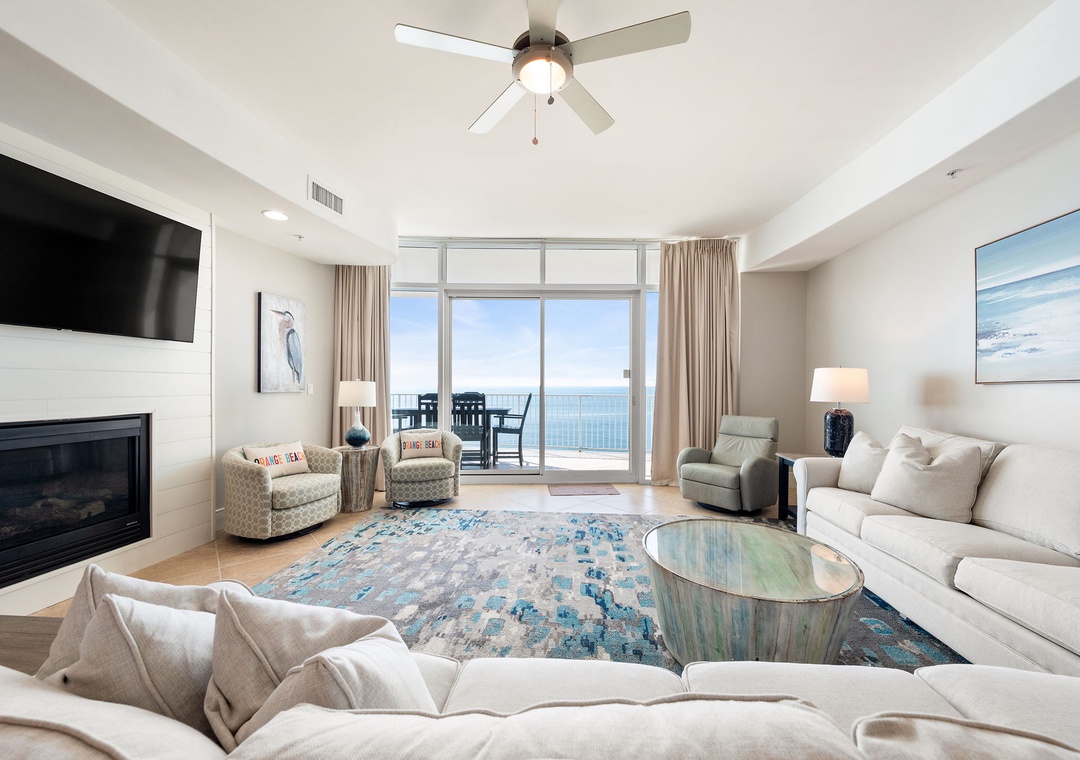
The Gulf region has long been synonymous with luxury living, characterized by opulent lifestyles, lavish spending, and a consumer culture that embraces the finest things in life. However, recent shifts in consumer habits are reshaping this landscape. As the younger generation comes of age, their aspirations and values are influencing how luxury is perceived and pursued. This article delves into the intricate relationship between luxury living and changing consumer habits in the Gulf, exploring the motivations behind these transformations and what they mean for the future.
The Allure of Luxury Living in the Gulf
In the Gulf, luxury living is not just about material wealth; it embodies a lifestyle filled with experiences, prestige, and exclusivity. From extravagant shopping malls to high-end real estate developments, the region offers a plethora of options for those seeking to indulge in the finer things. This allure has been a significant draw for both residents and expatriates, creating a thriving luxury market.
However, the definition of luxury is evolving. The Gulf’s affluent consumers are increasingly seeking not only products but also experiences that resonate with their personal values and aspirations. This shift marks a move away from traditional luxury, which often focused on brand prestige and status, towards a more meaningful and personalized approach.
Youth and the Changing Landscape of Luxury
As millennials and Gen Z become a more influential consumer demographic, their preferences are reshaping the luxury market in the Gulf. These younger consumers are driven by values such as sustainability, authenticity, and social responsibility. They are less inclined to chase after brands solely for their prestige and more interested in how those brands align with their personal beliefs.
This generational shift is evident in the types of luxury products and services that are gaining popularity. For instance, there is a growing demand for sustainable fashion, artisanal products, and experiences that promote wellness and self-care. These trends reflect a broader societal change where consumers prioritize ethical considerations over mere opulence.
The Role of Technology in Luxury Consumption
Technology is another significant factor influencing luxury living and consumer habits in the Gulf. With the rise of e-commerce and social media, luxury brands are adapting their strategies to engage with a tech-savvy audience. Online shopping and digital experiences are becoming integral to the luxury shopping journey, allowing consumers to access high-end products from the comfort of their homes.
Moreover, social media platforms are playing a pivotal role in shaping consumer perceptions of luxury. Influencers and digital content creators are redefining how luxury brands communicate with their audience, emphasizing lifestyle, authenticity, and personal storytelling. This shift not only enhances brand visibility but also fosters a sense of community among consumers who share similar values.
The Importance of Cultural Heritage in Luxury Consumption
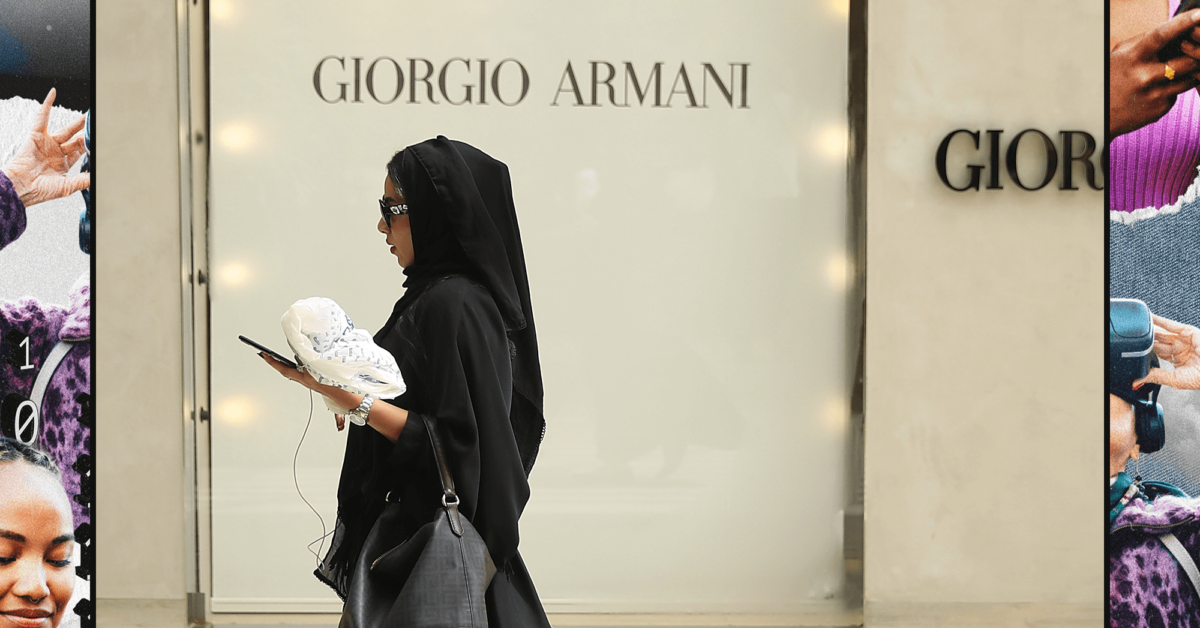
In the Gulf, cultural heritage remains a cornerstone of luxury living. As consumers seek authenticity, there is a renewed interest in products and experiences that reflect the region’s rich history and traditions. Luxury brands that incorporate local craftsmanship and storytelling into their offerings are finding success in resonating with consumers’ desire for meaningful connections.
This blending of modern luxury with cultural heritage is particularly evident in the booming sectors of hospitality and gastronomy. Luxury hotels are increasingly showcasing local art and cuisine, creating immersive experiences that celebrate the Gulf’s unique identity. This approach not only appeals to residents but also attracts tourists seeking a deeper understanding of the region.
Challenges and Opportunities Ahead
While the changing consumer habits present challenges for traditional luxury brands, they also offer vast opportunities for innovation and growth. Brands that can adapt to the evolving landscape by embracing sustainability, technology, and cultural authenticity are well-positioned to thrive in this competitive market.
However, the transition is not without its hurdles. Many established brands may struggle to redefine their identity to align with the values of younger consumers. To navigate this shift, luxury brands must engage in meaningful dialogues with their audience, fostering transparency and trust in their practices.
Conclusion: The Future of Luxury Living in the Gulf
The Gulf region’s luxury living landscape is undergoing a significant transformation driven by changing consumer habits. As younger generations redefine what luxury means, brands must adapt to meet their evolving expectations. By prioritizing authenticity, sustainability, and cultural heritage, luxury brands can forge deeper connections with consumers and remain relevant in this dynamic environment.
The future of luxury living in the Gulf promises to be an exciting journey, characterized by a blend of tradition and modernity. As the region continues to evolve, so too will the aspirations and habits of its consumers, shaping a landscape that reflects their values and dreams.
Also Read – Work-Life Balance in Fast-Growing Gulf Cities: A Vital Need
Do follow Gulf Magazine on Instagram

