

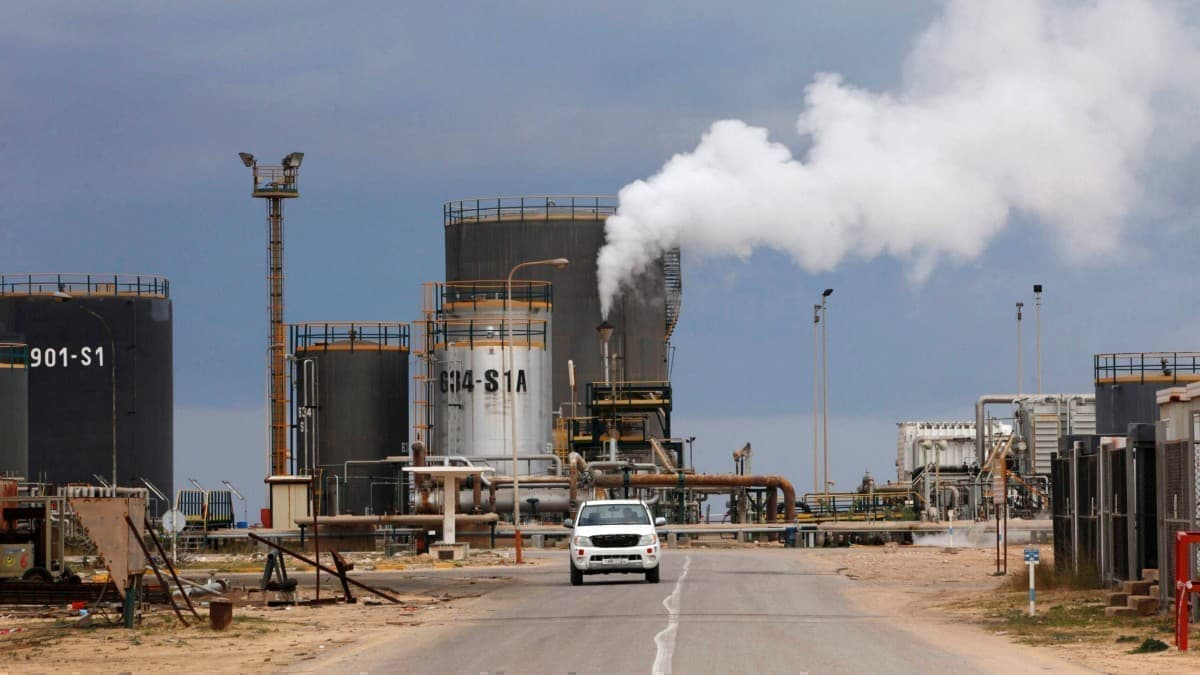
After years of political instability and security concerns, major energy companies are cautiously making their way back into Iraq and Libya. These countries, long known for their rich oil and gas reserves, are attracting attention once again as global energy demand continues to grow. Companies are approaching these markets with careful strategies, balancing the potential for high profits against persistent risks.
Iraq and Libya represent a dual challenge for energy majors: the promise of substantial oil and gas reserves comes with geopolitical and operational uncertainties. Yet, for many corporations, the opportunity to reestablish a presence in these regions is simply too compelling to ignore.
Iraq: Strategic Re-Entry in a Complex Landscape
Iraq’s energy sector has faced decades of disruption, from internal conflict to sanctions and fluctuating global oil prices. Despite these challenges, international oil companies are exploring ways to reengage with the country’s vast oil fields.
These companies are negotiating contracts that provide more security and favorable terms, aiming to mitigate the risks that have previously forced many to withdraw. There is growing optimism that Iraq’s political landscape is stabilizing enough to support long-term investment.
Infrastructure development is a key focus. Aging pipelines and refineries require significant upgrades, and energy majors see an opportunity to bring technical expertise and capital to modernize Iraq’s energy network. Joint ventures with local firms are emerging as a preferred strategy, helping companies navigate regulatory complexities while fostering local partnerships.
The government’s commitment to increasing oil production is also encouraging foreign investment. By offering new incentives and reforming licensing policies, Iraq is sending a clear message that it wants international energy majors to return.
Libya: Balancing Opportunity and Risk
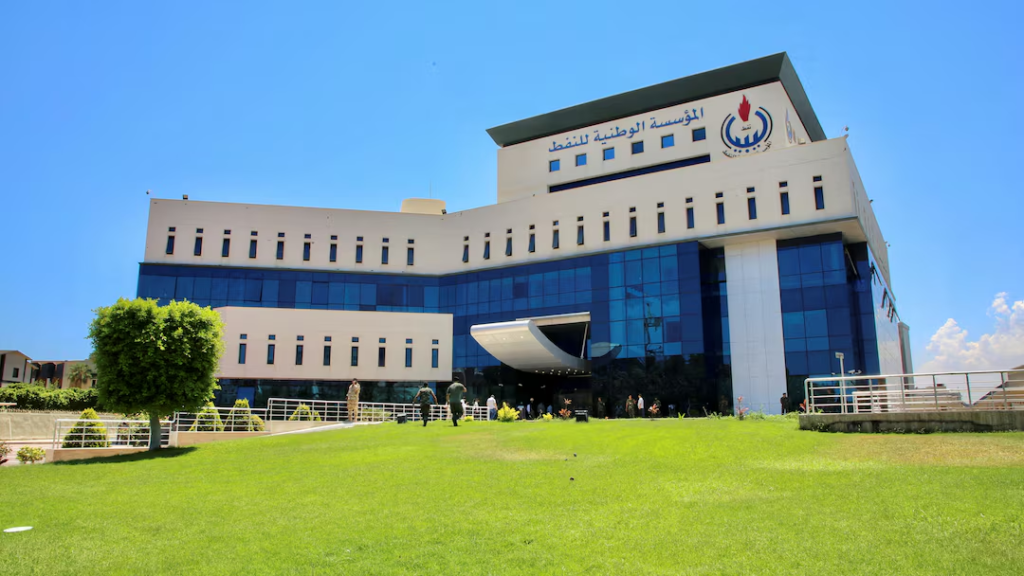
Libya presents a different set of challenges. The country’s oil reserves are substantial, but political instability has been a major deterrent for foreign companies. Despite these hurdles, global energy firms are signaling a cautious return, motivated by the promise of high returns and long-term growth.
Security concerns remain paramount, with companies prioritizing areas that are relatively stable while avoiding conflict zones. Local partnerships and private security arrangements are often essential components of operational plans.
Libya’s government is eager to rebuild its oil infrastructure and attract foreign expertise. Efforts to stabilize production, streamline licensing, and facilitate investment are gaining momentum. Energy majors are engaging in dialogue with authorities to ensure that agreements are both secure and profitable, allowing them to resume operations with a measure of confidence.
Technology and Innovation Driving Confidence
One of the key factors encouraging energy majors to return is the advancement of technology in the oil and gas sector. Innovations in exploration, drilling, and pipeline monitoring have made it possible to operate more safely and efficiently in challenging environments.
Companies are leveraging digital tools, remote monitoring, and automation to reduce risks associated with unstable regions. These technologies not only improve operational efficiency but also enhance safety for personnel and infrastructure.
In Iraq and Libya, technology is enabling energy majors to identify optimal drilling locations, monitor production in real time, and quickly respond to potential disruptions. This technological edge is a critical factor in the decision to reenter these markets.
Economic Incentives and Global Energy Demand
The global push for energy security is another driver behind the tentative return. With fluctuating oil prices and rising demand, energy majors are seeking new sources of supply to diversify their portfolios. Iraq and Libya offer substantial reserves that can help companies meet international energy needs.
Economic incentives from local governments, such as tax breaks, flexible contracts, and production-sharing agreements, further sweeten the deal. These incentives are designed to attract investment while ensuring that countries benefit from the expertise and capital that foreign firms bring.
Challenges Remain
Despite optimism, energy companies remain cautious. Political volatility, regional conflicts, and the risk of sudden policy changes are constant concerns. Companies are investing heavily in risk management, security, and local engagement to navigate these uncertainties.
Environmental concerns are also increasingly shaping investment decisions. Companies are under pressure to adopt sustainable practices and minimize the ecological impact of oil and gas operations. In Iraq and Libya, balancing profit with responsible practices is becoming a key consideration.
The Human Element: Building Local Capacity
Beyond economics and technology, there is a human dimension to the return of energy majors. Companies are investing in local talent, training programs, and community engagement initiatives. By developing skilled workforces in Iraq and Libya, firms hope to ensure sustainable operations and foster goodwill with local populations.
This approach is not just about operational efficiency; it is about building trust and long-term relationships. The presence of energy majors can provide job opportunities, skills development, and economic benefits to communities that have experienced years of instability.
Looking Ahead: A Measured Optimism
The return of energy majors to Iraq and Libya is a sign of cautious optimism. Companies are not rushing; they are taking deliberate steps to reestablish a foothold while managing risks carefully.
For Iraq and Libya, the involvement of global energy firms could signal a new chapter in their energy sectors. Investment, technology, and expertise have the potential to transform oil and gas operations, increase production, and contribute to economic stability.
While challenges remain, the tentative reentry of energy majors reflects a belief that these markets are ready for renewed engagement. With careful planning, innovation, and collaboration, Iraq and Libya could once again become attractive destinations for international energy investment.
Conclusion: A Strategic Balancing Act
The return of energy companies to Iraq and Libya is a delicate balancing act. The promise of abundant resources and strategic growth must be weighed against persistent risks and instability. Yet, the careful steps being taken demonstrate a commitment to seizing opportunities responsibly.
As energy majors navigate these complex markets, they are not only pursuing profits but also contributing to the modernization and stabilization of key oil-producing nations. If executed thoughtfully, this return could benefit companies, governments, and local communities alike, marking a significant moment in the ongoing evolution of global energy markets.
Do Follow Gulf Magazine on Instagram
Read More:- Saudi Beauty Market Surges Toward USD 6.4 Billion Success

