

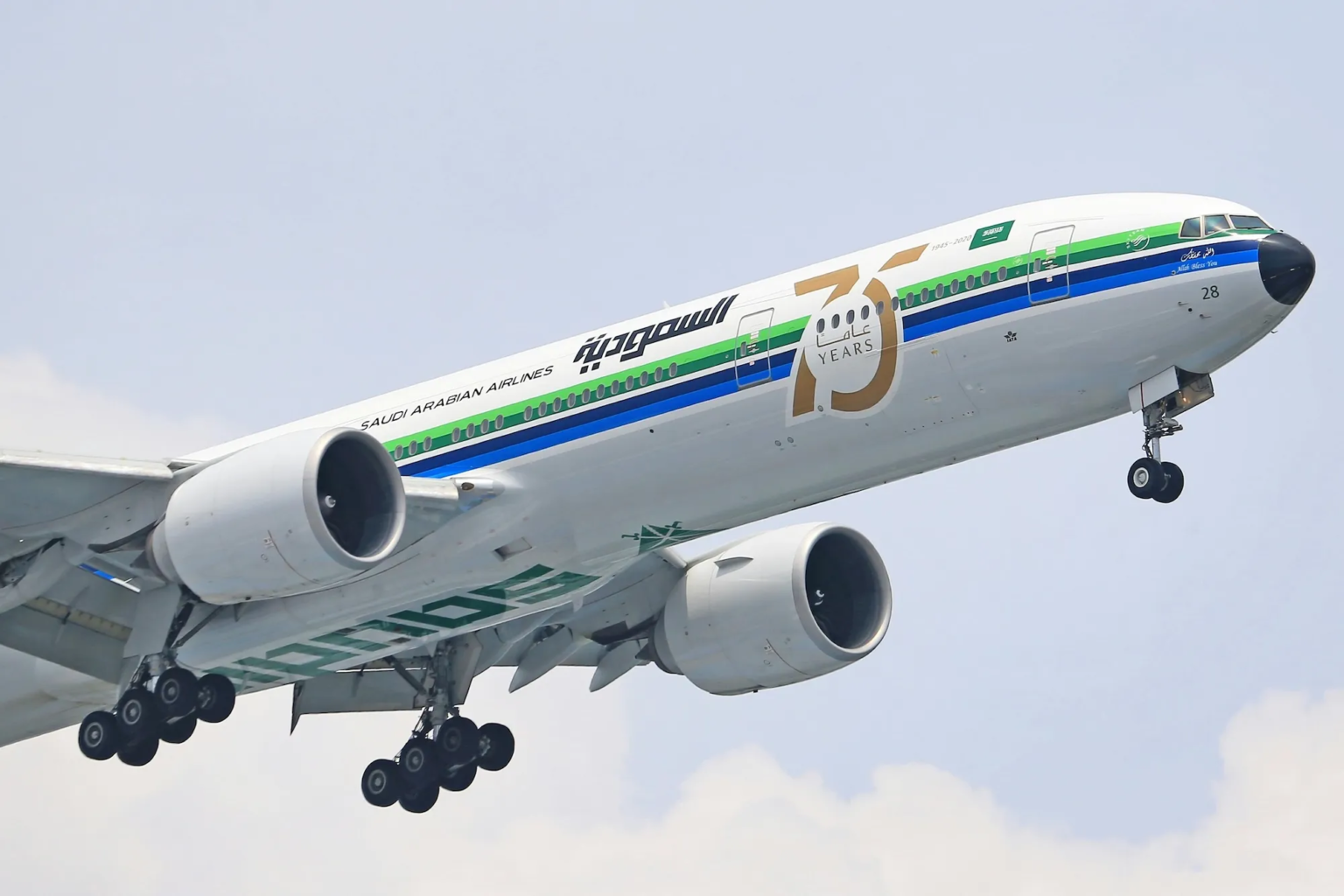
Saudi Arabia’s national carrier, Saudia, is once again at the center of global aviation discussions as it carefully evaluates a potential new aircraft order from industry giants Boeing and Airbus. The decision is not just about adding more planes to its fleet. It is about shaping the airline’s future, strengthening the Kingdom’s global connectivity, and supporting Saudi Arabia’s ambitious aviation growth plans.
As competition intensifies between the two manufacturers, the upcoming order could become one of the most significant aviation deals in the region. For Saudia, the choice represents more than aircraft performance—it reflects strategy, long-term partnerships, operational efficiency, and national vision.
A Strategic Moment for Saudia
Saudia has been undergoing a transformation over the past few years. With Saudi Arabia pushing forward its Vision 2030 goals, aviation plays a central role in boosting tourism, trade, and global positioning. The airline is expanding routes, modernizing services, and improving passenger experiences.
Fleet expansion is a natural next step. As passenger demand grows especially with increasing international travel and religious tourism Saudia needs aircraft that can handle both regional and long-haul operations efficiently. The airline is reportedly considering options that would enhance capacity while maintaining fuel efficiency and environmental responsibility.
Choosing between Boeing and Airbus is not a simple matter of brand preference. Both manufacturers offer advanced aircraft families designed to meet modern airline needs.
Boeing’s Competitive Edge
Strong Long-Haul Capabilities
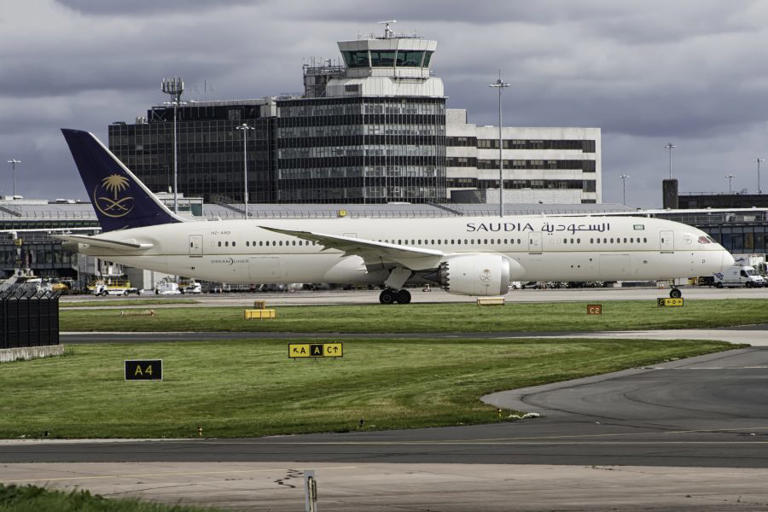
Boeing has long maintained a strong relationship with Saudia. The airline already operates several Boeing aircraft, particularly in its long-haul fleet. Models such as the Boeing 787 Dreamliner are known for their fuel efficiency, passenger comfort, and extended range.
The Dreamliner family, in particular, could be attractive if Saudia aims to expand its long-haul network to North America, Europe, and Asia. The aircraft’s lightweight composite structure and advanced engines allow airlines to reduce fuel consumption while maintaining high performance.
Fleet Commonality Benefits
Another advantage of choosing Boeing would be fleet commonality. Operating similar aircraft types can reduce pilot training costs, simplify maintenance operations, and improve scheduling flexibility. If Saudia continues building around its existing Boeing base, operational efficiency could increase significantly.
Boeing may also offer competitive pricing and delivery slots, especially as global airlines continue placing large orders. Securing early delivery positions could support Saudia’s rapid expansion timeline.
Airbus: A Powerful Alternative
Fuel Efficiency and Modern Design
Airbus is equally positioned to win Saudia’s confidence. The European manufacturer’s A320neo and A350 families have become popular among airlines seeking next-generation fuel efficiency and advanced passenger comfort.
The Airbus A350, for example, competes directly with Boeing’s long-haul offerings. Known for its quiet cabin, advanced aerodynamics, and reduced carbon emissions, it represents a strong contender for airlines prioritizing sustainability and operating cost control.
Regional and Medium-Haul Strength
If Saudia’s strategy includes strengthening regional connectivity or increasing frequency within the Middle East, Asia, and Africa, Airbus narrow-body aircraft like the A320neo could offer flexibility. These aircraft are designed for short to medium-haul routes and deliver significant fuel savings compared to older models.
Airbus could also provide attractive financial packages and partnership incentives, making the decision even more competitive.
The Bigger Picture: Vision 2030 and Aviation Growth
Saudi Arabia’s aviation sector is expanding at an unprecedented pace. The Kingdom aims to become a global aviation hub, connecting East and West. Airports are being upgraded, new airlines are entering the market, and passenger targets are rising sharply.
For Saudia, fleet decisions must align with national ambitions. More aircraft mean increased seat capacity, new international destinations, and improved service reliability. It also means supporting tourism growth, especially with major events, business travel, and religious pilgrimages drawing millions of visitors annually.
The aircraft order under consideration is therefore not just a corporate decision. It reflects Saudi Arabia’s broader economic and strategic transformation.
Sustainability and Environmental Considerations
Modern aviation increasingly focuses on sustainability. Airlines are under pressure to reduce carbon emissions and adopt greener technologies. Both Boeing and Airbus promote aircraft that promise lower fuel burn and reduced environmental impact.
Saudia’s decision will likely factor in long-term sustainability goals. New-generation engines, lighter materials, and improved aerodynamics can significantly reduce operating costs while supporting environmental commitments.
As global aviation works toward carbon neutrality targets, investing in efficient aircraft is both a financial and reputational advantage.
Market Competition and Negotiation Dynamics
Large aircraft orders often trigger intense competition between manufacturers. Boeing and Airbus frequently engage in pricing strategies, customized support packages, and maintenance agreements to secure deals.
For Saudia, this competitive environment can be beneficial. Strong negotiations may lead to favorable terms, including financing options, training support, spare parts agreements, and long-term service contracts.
The airline’s final decision will likely balance cost, delivery timelines, technical performance, and strategic alignment.
Passenger Experience at the Core
Beyond economics and strategy, passenger comfort remains central. Modern travelers expect enhanced cabin environments, quieter flights, advanced entertainment systems, and improved seating layouts.
Both Boeing and Airbus offer aircraft equipped with advanced cabin pressure systems, larger windows, quieter engines, and flexible interior configurations. Saudia’s choice will ultimately impact how millions of passengers experience travel in the coming decades.
With increasing competition in the Middle Eastern aviation market, customer experience can become a powerful differentiator.
Regional Aviation Rivalry
Saudia operates in a region known for strong airline competition. Carriers across the Gulf have rapidly expanded fleets and global networks. To maintain its competitive edge, Saudia must continue modernizing and scaling operations.
A major aircraft order sends a strong signal to the market. It demonstrates confidence, growth ambitions, and readiness to compete internationally. Whether Boeing or Airbus secures the contract, the announcement itself will reinforce Saudia’s commitment to expansion.
Delivery Timelines and Future Planning

Aircraft manufacturing slots are limited, and global demand remains high. Delivery timing is a crucial factor. If Saudia intends to expand quickly, earlier delivery positions may influence its final choice.
Long-term planning also plays a role. Airlines typically project fleet needs decades ahead, considering route growth, aircraft retirement schedules, and economic trends. The current evaluation likely reflects a comprehensive forecast of passenger growth and operational strategy.
What This Means for the Aviation Industry
A significant order from Saudia could have ripple effects across the global aviation market. Large deals often influence stock markets, supply chains, and regional manufacturing activity.
For Boeing or Airbus, securing this contract would strengthen their presence in the Middle East. For Saudi Arabia, it reinforces its position as one of the fastest-growing aviation markets worldwide.
Industry observers are watching closely, as the final decision could reshape fleet dynamics in the region.
A Decision That Defines the Future
Saudia stands at an important crossroads. Choosing between Boeing and Airbus is not simply about aircraft models—it is about long-term partnerships, operational excellence, sustainability goals, and national aspirations.
Both manufacturers bring strong offerings to the table. Boeing offers proven long-haul capabilities and fleet commonality advantages. Airbus delivers modern efficiency, advanced design, and competitive flexibility.
Whichever direction Saudia takes, the new order will mark another milestone in its transformation journey. As the airline continues aligning with Saudi Arabia’s ambitious growth plans, this decision could shape its operations for decades to come.
In the end, the story is not just about aircraft. It is about vision, ambition, and a nation positioning itself at the forefront of global aviation.
Do Follow Gulf Magazine on Instagram
Read More:- Canada-Saudi Battery Alliance Sparks Powerful Clean Energy Shift 2026

