

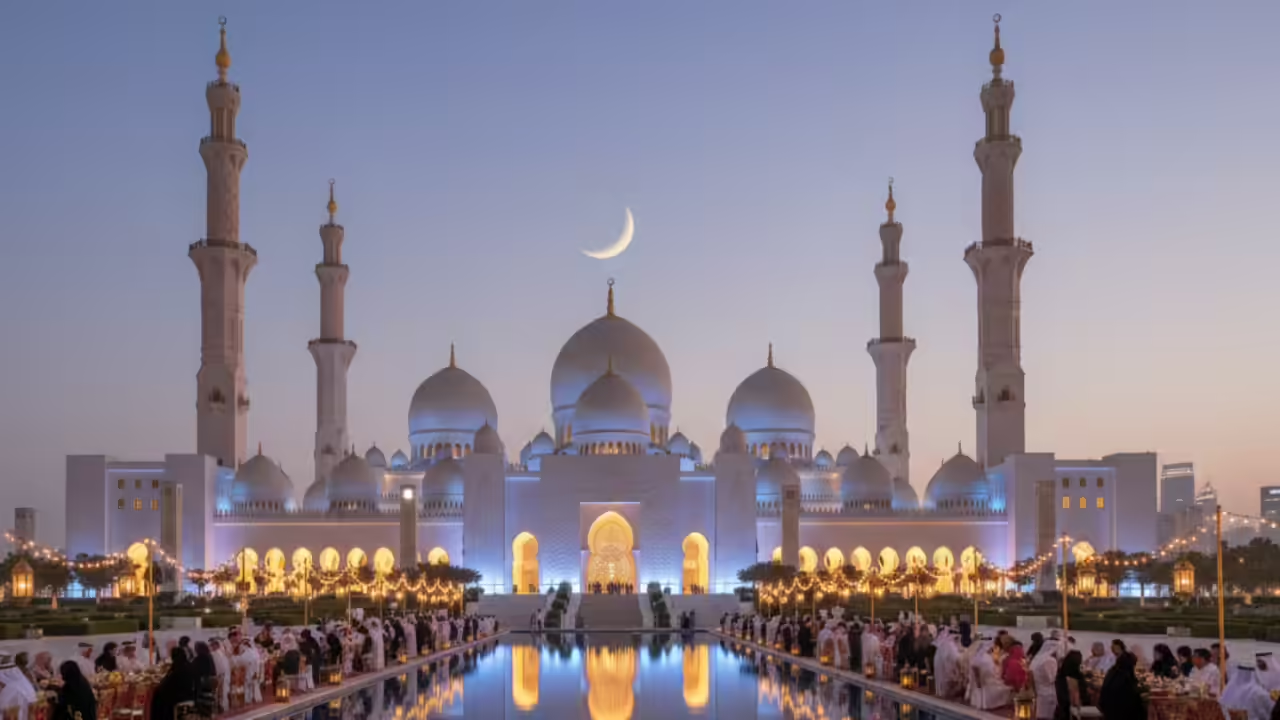
The significance of Ramadan in the Gulf nations transcends mere religious observance. It embodies a rich tapestry of cultural practices, community bonding, and spiritual reflection. As Ramadan 2026 approaches, the media landscape is set to evolve, reflecting changing societal values and the influence of technology. Understanding the media coverage trends of Ramadan 2026 across Gulf nations reveals how this sacred month is not just celebrated but also showcased, shaping public discourse and cultural identity.
How Media Coverage Reflects Cultural Values
The media plays a pivotal role in shaping perceptions, particularly during Ramadan. Across the Gulf nations, the coverage tends to highlight the essence of Ramadan, emphasizing themes of community, charity, and spirituality. In recent years, there has been a noticeable shift towards more inclusive narratives that resonate with younger audiences.
For example, traditional media platforms such as television and radio are increasingly being complemented by digital platforms. This convergence has allowed for a more diverse representation of Ramadan practices, showcasing not just the fasting rituals but also the various events that take place across communities. The rise of social media influencers has further enabled a more personal touch to the representation of Ramadan, making it relatable to a broader audience.
The Role of Social Media in Shaping Ramadan Narratives
As we approach Ramadan 2026, social media is expected to play an even more significant role in shaping the narratives around this holy month. Platforms like Instagram, Twitter, and TikTok are transforming how people engage with Ramadan content.
Influencers are using these platforms to share their personal experiences, recipes for Iftar, and insights into charitable initiatives. This trend not only humanizes the experience of Ramadan but also encourages younger generations to participate actively in the observance of the month.
Moreover, brands are leveraging social media to connect with audiences through tailored campaigns that resonate with the values of Ramadan. This engagement allows for a two-way conversation, where followers feel part of the narrative, contributing their own experiences and reflections.
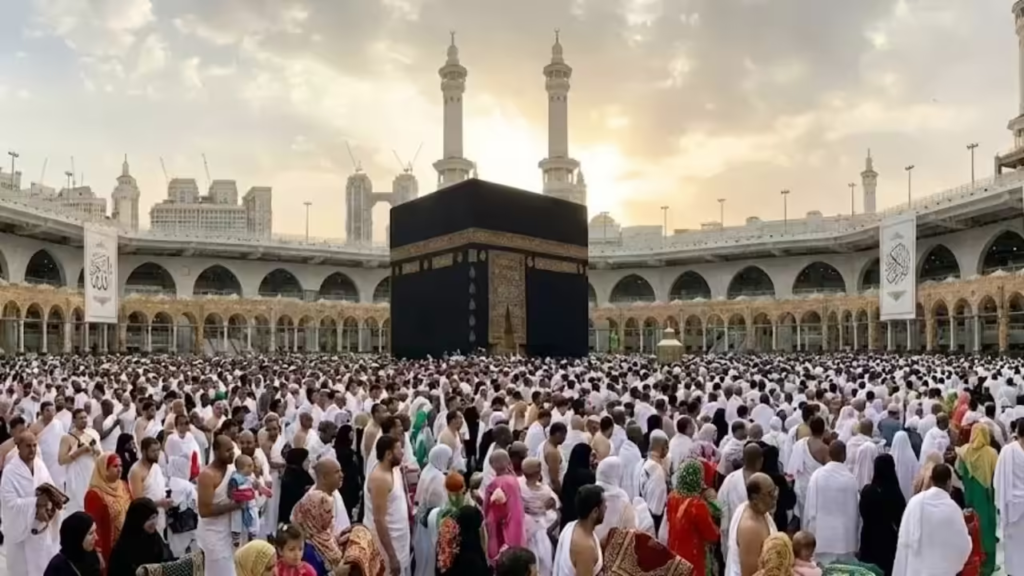
The Evolution of Ramadan Programming on Television
Television remains a cornerstone for Ramadan programming across the Gulf nations. As we move into 2026, viewers can expect a rich array of content that goes beyond traditional dramas and religious programming.
Networks are increasingly focusing on lifestyle shows that celebrate the spirit of Ramadan. This includes cooking shows featuring traditional and contemporary recipes, talk shows discussing community issues, and travel programs exploring how different cultures celebrate the month.
The increased competition among channels is prompting them to innovate and invest in high-quality content that appeals to diverse demographics. This evolution reflects a broader understanding that Ramadan is not just a religious observance but a cultural phenomenon that affects all aspects of life in the Gulf.
Engaging Youth Through Ramadan Initiatives
The media coverage trends of Ramadan 2026 are particularly geared towards engaging the youth. As the demographic landscape shifts, there is a growing awareness of the need to resonate with younger audiences who are more connected to global narratives.
Initiatives such as community service projects, youth-led discussions, and interactive campaigns are being highlighted in media coverage. These initiatives not only foster a sense of responsibility but also allow young people to express their identity during Ramadan.
By focusing on youth engagement, media outlets are helping to cultivate a generation that is not only aware of their cultural heritage but also eager to participate in its evolution. This engagement is pivotal for ensuring that the values of Ramadan are preserved while also adapting to modern realities.
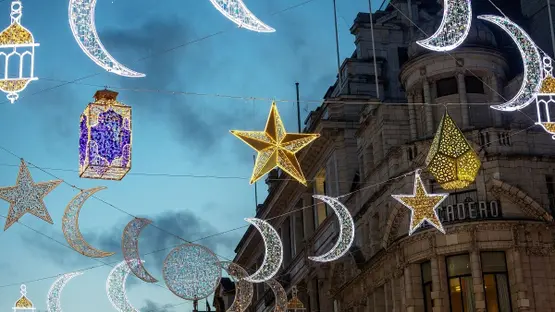
The Intersection of Technology and Ramadan Celebrations
In 2026, technology will play an integral role in how Ramadan is experienced and covered in the media. From apps that help track fasting hours to virtual Iftar gatherings, technology is enhancing the experience of Ramadan across the Gulf nations.
Media coverage is expected to highlight these technological innovations, showcasing how they facilitate a deeper connection among communities. Virtual reality experiences that allow individuals to explore the significance of Ramadan in different cultures may also emerge, enriching the understanding of this sacred month.
Furthermore, the integration of e-commerce platforms with Ramadan promotions signifies a shift in how businesses engage with consumers during this period. Media narratives will likely focus on these trends, exploring how they impact shopping behavior and community interactions.
Conclusion: Embracing Change in Ramadan Coverage
As we look forward to Ramadan 2026, the media coverage trends across Gulf nations are poised to reflect a dynamic blend of tradition and modernity. The evolution of storytelling through various platforms be it social media, television, or emerging technologies ensures that Ramadan remains a vital part of cultural identity.
By embracing change and focusing on inclusivity, the media can foster a deeper understanding of Ramadan’s significance while engaging with audiences in meaningful ways. This creates a rich dialogue that not only honors the traditions of the past but also paves the way for a vibrant future.
Do follow Gulf Magazine on Instagram.
Also Read – Ramadan 2026 Moon-Sighting Differences Across Gulf Countries

