

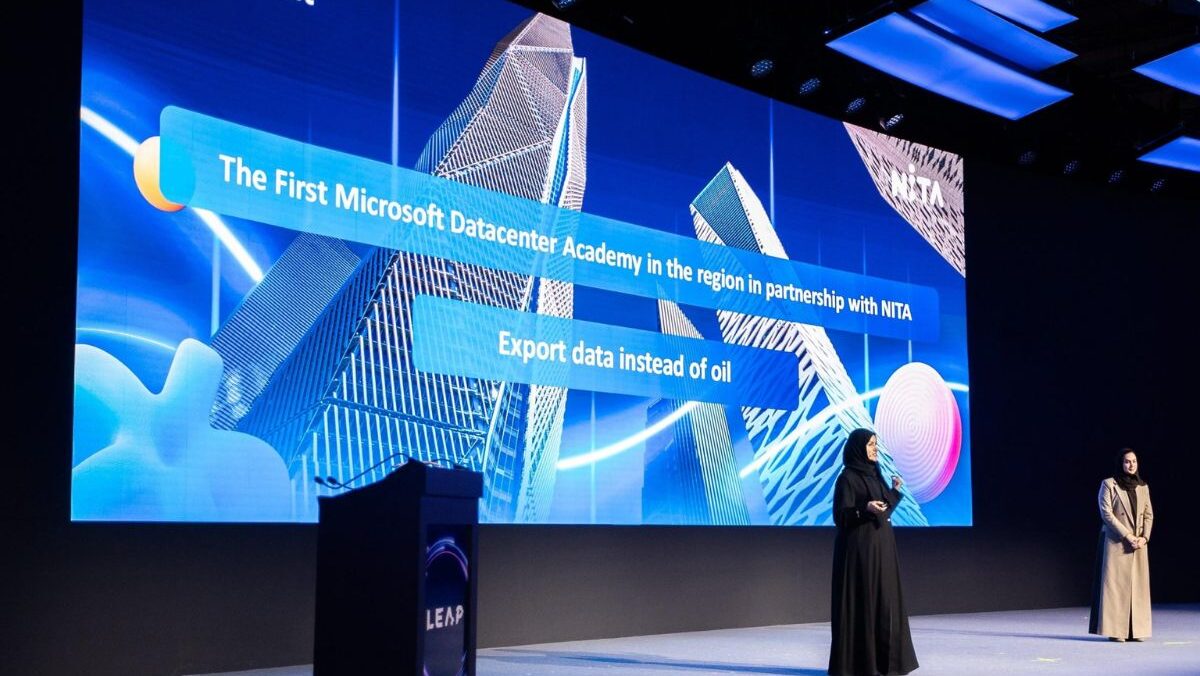
Microsoft’s confirmation of the Saudi Arabia East Datacenter Region marks a defining moment in the Kingdom’s digital transformation journey. Set to begin supporting cloud and artificial intelligence workloads from Q4 2026, this announcement signals more than just new infrastructure. It represents a strategic shift toward positioning Saudi Arabia as one of the most important technology hubs in the Middle East and beyond.
For businesses, startups, government entities, and developers, the new region offers the promise of faster performance, stronger data sovereignty, and deeper integration with global digital ecosystems. For everyday users, it translates into smoother digital services, smarter platforms, and more innovative applications across sectors like healthcare, finance, education, and smart cities.
This move aligns directly with Saudi Arabia’s long-term ambition to build a diversified, knowledge-driven economy where technology acts as the backbone of growth, efficiency, and innovation.
Why the Saudi Arabia East Datacenter Region Matters
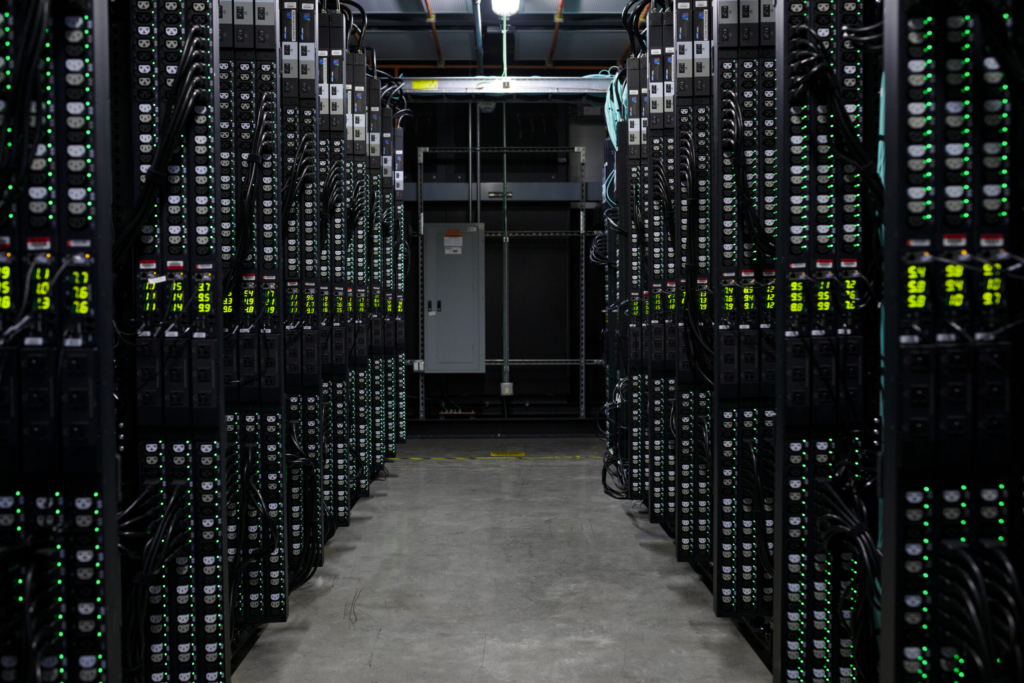
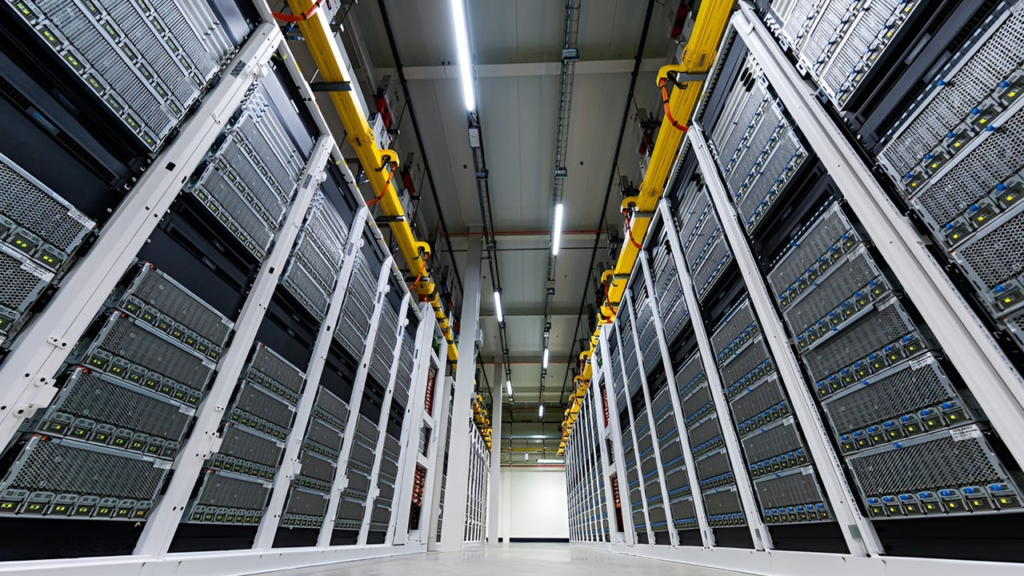
Datacenter regions are the physical foundations of the cloud. They host servers that store data, run applications, and deliver digital services at scale. By establishing a new region in Saudi Arabia East, Microsoft is ensuring that data can be processed locally, reducing latency and improving overall system performance.
This matters especially for industries that rely on real-time data, such as banking, e-commerce, logistics, and artificial intelligence. When data travels shorter distances, applications respond faster, security improves, and user experience becomes noticeably smoother.
The Saudi Arabia East Datacenter Region also addresses growing concerns around data residency and compliance. Many organizations are required to keep sensitive data within national borders. With a local Microsoft region, companies can now meet regulatory requirements while still benefiting from global cloud capabilities.
Powering the AI Revolution in the Kingdom
Artificial intelligence is no longer a futuristic concept. It is already shaping how businesses operate, how cities are managed, and how people interact with technology. From predictive healthcare systems to intelligent transportation networks, AI requires massive computing power and reliable cloud infrastructure.
The Saudi Arabia East Datacenter Region is designed specifically to support advanced AI workloads. This means organizations can train machine learning models, deploy AI-driven applications, and analyze huge volumes of data without depending on overseas infrastructure.
For Saudi startups and research institutions, this opens up new possibilities. Innovation cycles become faster, experimentation becomes cheaper, and collaboration with global partners becomes easier. AI developers can test and scale their ideas locally, while still reaching international markets through Microsoft’s global cloud network.
Supporting Vision 2030 and Economic Diversification
Saudi Arabia’s Vision 2030 is centered on reducing dependence on oil and building a sustainable, technology-driven economy. Digital infrastructure plays a critical role in achieving this goal, and Microsoft’s investment strengthens the Kingdom’s position as a regional digital powerhouse.
With the Saudi Arabia East Datacenter Region, industries such as fintech, health tech, edtech, and smart manufacturing can grow more rapidly. Cloud platforms lower entry barriers for entrepreneurs, enabling them to build global products without massive upfront investments in hardware.
Large enterprises also benefit by modernizing legacy systems, improving operational efficiency, and adopting data-driven decision-making. Over time, this creates a ripple effect, generating jobs, attracting foreign investment, and nurturing a highly skilled digital workforce.
Enhancing Data Sovereignty and Trust
In today’s digital economy, trust is everything. Organizations want assurance that their data is secure, compliant, and handled responsibly. By hosting cloud services within Saudi Arabia, Microsoft provides a strong foundation for data sovereignty.
This means government agencies can confidently migrate sensitive workloads to the cloud, knowing that critical information remains within national borders. Financial institutions can process transactions with higher levels of compliance. Healthcare providers can manage patient data securely while still benefiting from advanced analytics and AI tools.
For end users, this builds confidence in digital services, encouraging greater adoption of online platforms and smart solutions across everyday life.
A Catalyst for Smart Cities and Innovation
Saudi Arabia is investing heavily in smart city projects, digital government services, and intelligent infrastructure. These initiatives rely on seamless connectivity, real-time data processing, and scalable cloud systems.
The Saudi Arabia East Datacenter Region acts as a catalyst for these ambitions. Smart traffic systems, energy management platforms, and urban planning tools can all operate more efficiently when powered by local cloud infrastructure.
Developers can also experiment with new technologies such as Internet of Things, edge computing, and digital twins. These tools help cities become more sustainable, more efficient, and more responsive to the needs of their residents.
Opportunities for Businesses and Startups
For businesses, the arrival of a local Microsoft region changes the game. Companies no longer need to worry about high latency or cross-border data restrictions. They can deploy mission-critical applications with confidence, knowing performance and compliance are both optimized.
Startups, in particular, stand to gain significantly. Cloud platforms allow young companies to scale rapidly without heavy capital investment. With access to advanced AI tools and global distribution networks, Saudi startups can compete on an international stage from day one.
This environment fosters innovation, encourages experimentation, and supports a thriving entrepreneurial ecosystem that attracts talent from across the region.
Strengthening the Middle East Cloud Ecosystem
The Saudi Arabia East Datacenter Region is not just important for the Kingdom. It strengthens the entire Middle East cloud ecosystem. As more global technology companies invest in the region, competition increases, services improve, and costs become more competitive.
This creates a healthier digital market where businesses have more choices, better tools, and stronger infrastructure. Over time, the Middle East becomes a global destination for technology investment, innovation, and digital collaboration.
Microsoft’s move sends a powerful signal to other technology leaders, reinforcing confidence in the region’s digital future.
Preparing for Q4 2026 and Beyond
With support for cloud and AI workloads expected from Q4 2026, organizations have time to prepare. This period allows businesses to plan migrations, train teams, and design digital strategies aligned with the new infrastructure.
Forward-thinking companies will start modernizing their systems now, ensuring they are ready to take full advantage of local cloud capabilities once the region goes live. This preparation phase is crucial for maximizing long-term benefits and staying competitive in a rapidly evolving digital landscape.
A Human-Centered Digital Transformation
At its core, Microsoft’s investment is not just about servers and data centers. It is about people. It is about empowering individuals with better digital services, enabling businesses to grow, and helping societies solve complex challenges through technology.
The Saudi Arabia East Datacenter Region represents a future where innovation feels closer, faster, and more accessible. It brings global technology within local reach, bridging the gap between ambition and reality.
As Q4 2026 approaches, this announcement stands as a reminder that the digital future is not something distant. It is being built right now, and Saudi Arabia is positioned to be at the heart of it.
Do follow Gulf Magazine on Instagram.
Also Read – Saudi-Qatar Bullet Train Promises a Stunning Travel Revolution

