

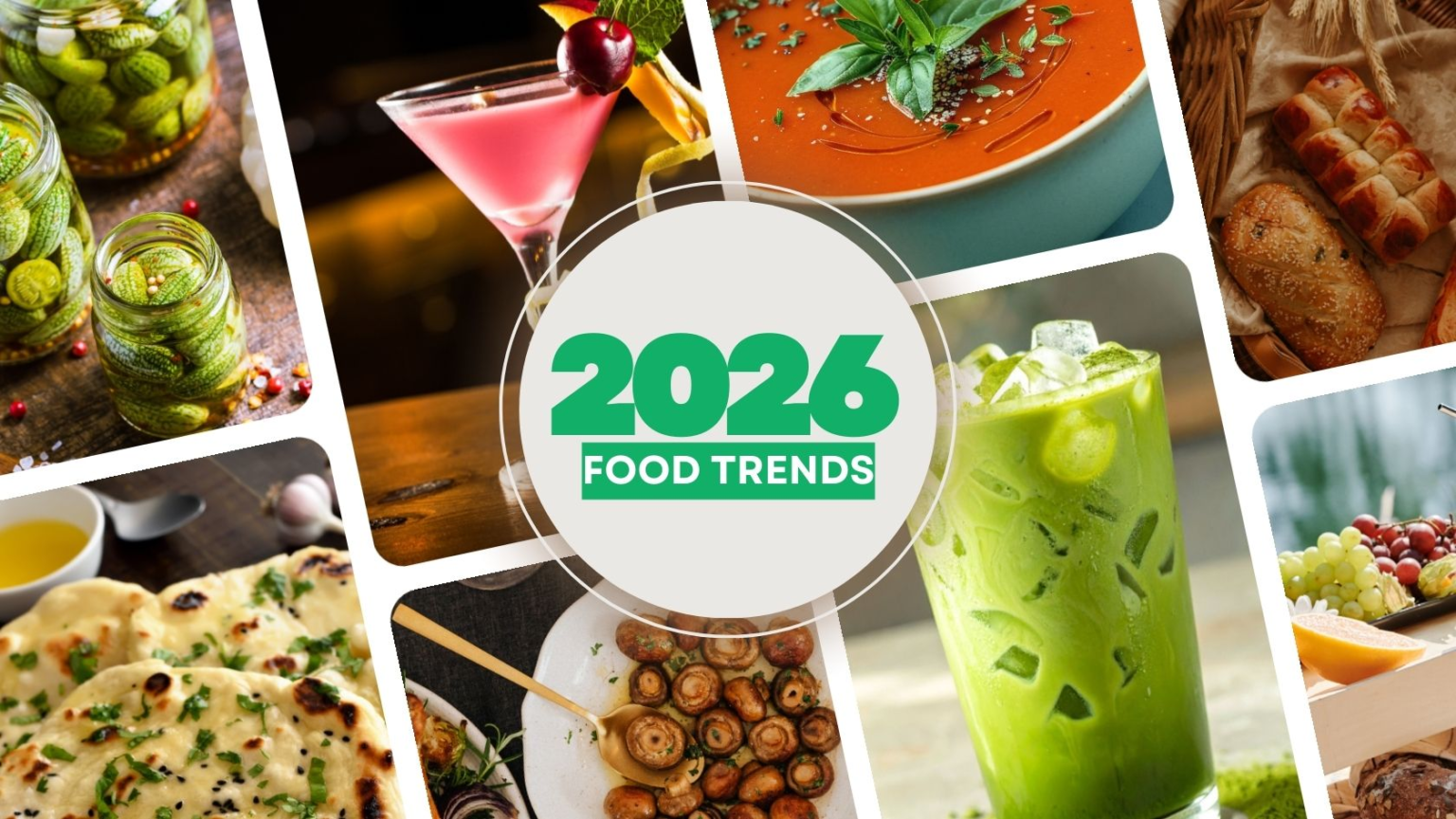
Middle East Food Trends 2026: Health, Wellness & Premium Choices The Middle East food sector is undergoing a remarkable transformation. 2025 marked the beginning of a significant shift toward healthier, premium, and wellness-oriented foods across Gulf markets, and these trends are gaining momentum in 2026. Consumers in countries like the UAE, Saudi Arabia, Qatar, Oman, Bahrain, and Kuwait are increasingly seeking products that are not only delicious but also nutritious, sustainable, and ethically sourced.
Rising awareness about health, fitness, and wellness is redefining what consumers expect from their food. Grocery shelves are now stocked with organic vegetables, plant-based alternatives, and functional beverages designed to boost immunity and overall wellbeing. This change reflects a broader societal shift, driven by affluent, health-conscious populations, a growing expatriate community, and evolving lifestyles that prioritize quality over quantity.
Health-Conscious Consumers Drive Market Growth
One of the most notable trends in 2026 is the surge in demand for health-focused products. Consumers are actively seeking foods low in sugar, rich in vitamins, and free from artificial additives. The popularity of functional foods those with added health benefits, such as probiotics, omega-3s, or natural antioxidants is increasing rapidly.
In major Gulf cities, wellness-oriented cafes and restaurants are responding to this demand by offering menus tailored to diverse dietary needs, including gluten-free, keto-friendly, and plant-based options. This shift is not limited to urban centers; even suburban areas are witnessing a rise in health food stores, juice bars, and organic markets, reflecting a region-wide embrace of healthier lifestyles.
Premium and Gourmet Foods Gain Traction
Affluent consumers in the Middle East are fueling growth in the premium food segment. Imported products, artisanal delicacies, and high-quality ingredients are seeing higher adoption rates than ever before. Shoppers are willing to pay a premium for brands that promise superior taste, authenticity, and ethical sourcing.
Luxury grocery chains now stock a wider variety of imported cheeses, chocolates, and specialty meats, while home delivery platforms are expanding their portfolios to include gourmet meal kits and exotic ingredients. This trend highlights a broader cultural shift toward food as an experience where taste, presentation, and story matter as much as nutritional content.
Organic Produce and Sustainable Sourcing
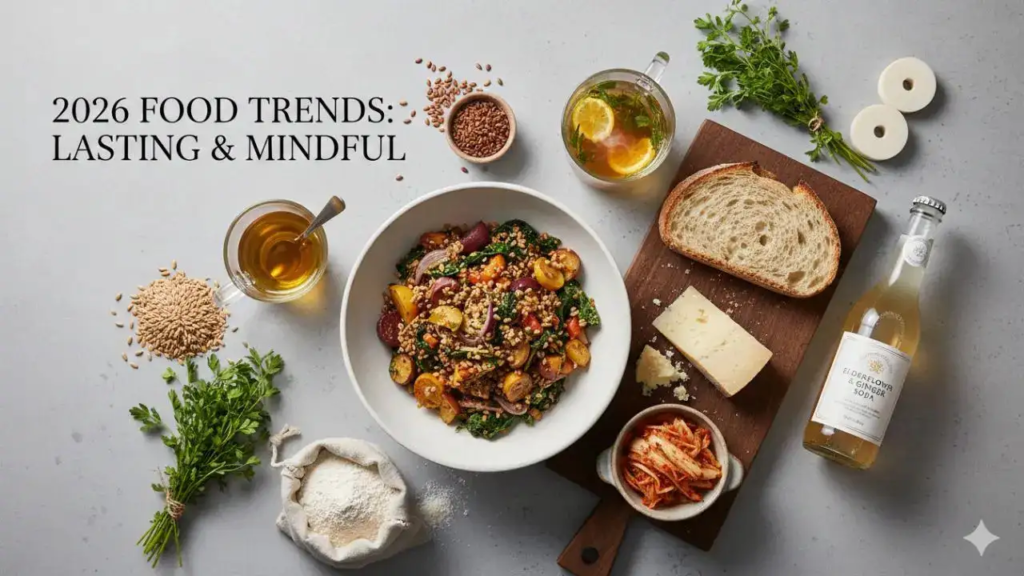
Organic and sustainably sourced foods are no longer niche categories. Middle East consumers are increasingly conscious of how their food is produced, with an emphasis on local sourcing, minimal pesticide use, and eco-friendly packaging. Retailers are responding by expanding organic sections, offering farm-to-table options, and clearly labeling products to ensure transparency.
Functional beverages such as kombucha, cold-pressed juices, and herbal teas are enjoying growing popularity, especially among younger demographics who prioritize health, wellness, and environmentally friendly practices. This movement also aligns with government initiatives in Gulf countries to promote sustainability and support local agriculture.
Functional and Fortified Foods on the Rise
Functional foods have emerged as a key growth driver in the region. Products enriched with nutrients, adaptogens, and natural supplements are capturing the interest of health-conscious consumers. From protein-enriched snacks to immunity-boosting drinks, the market for fortified foods is expanding rapidly.
Restaurants and cafes are increasingly incorporating functional ingredients into their menus. Smoothie bowls infused with antioxidants, teas with herbal extracts, and plant-based desserts are becoming mainstream. This trend reflects a broader consumer shift toward proactive wellness where food serves as both sustenance and a tool for long-term health.
Influence of Expatriate Populations
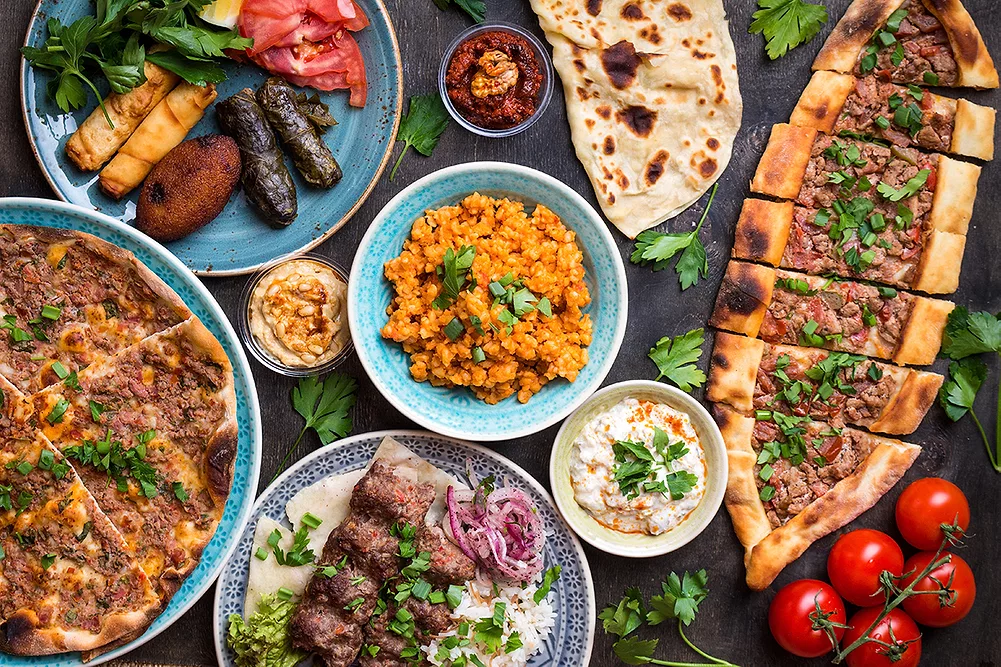
The Middle East’s diverse expatriate population plays a significant role in shaping food trends. Expat communities bring unique culinary preferences, creating demand for international flavors, specialty ingredients, and fusion cuisines. Grocery retailers and restaurants are adapting by offering wider choices, from imported snacks and condiments to ethnic-inspired meals, reflecting the global palate of Gulf residents.
This cultural diversity also supports the growth of niche markets. Vegan, organic, and gluten-free options are more readily available, catering to a wide range of dietary restrictions and lifestyle choices. The convergence of local preferences with global influences is reshaping the Middle East food sector in profound ways.
E-commerce and Digital Transformation in Food Retail
The growth of online grocery shopping and food delivery has accelerated the adoption of premium, organic, and functional foods. E-commerce platforms are investing in curated collections of health-focused and gourmet products, making them easily accessible to busy consumers.
Mobile apps now provide personalized recommendations, subscription boxes, and doorstep delivery of fresh and organic produce. This convenience, combined with rising awareness about nutrition and wellness, is driving stronger engagement with healthier and premium food categories than ever before.
Emerging Opportunities for Food Brands
For food brands, 2026 presents a wealth of opportunities. Companies that focus on health, wellness, sustainability, and premium quality can capture a growing share of the market. Brands that emphasize transparency, traceability, and storytelling about product origin are especially likely to resonate with Gulf consumers.
Collaborations with local farms, wellness influencers, and digital platforms can help new entrants build trust and awareness. Innovative packaging, eco-conscious materials, and clear nutritional labeling are no longer optional—they are essential tools for success.
Regional Government Support and Regulations
Gulf governments are actively encouraging the development of healthier and more sustainable food markets. Regulations on labeling, safety standards, and food imports are evolving to protect consumer interests and promote better nutrition. These measures complement private sector efforts, creating a supportive environment for health-conscious and premium food brands.
Initiatives promoting local agriculture, organic farming, and wellness-oriented campaigns are helping drive consumer awareness and reinforce the importance of quality and sustainability in everyday food choices.
Future Outlook for 2026 and Beyond
Looking ahead, the Middle East food sector is poised for continued growth in health-conscious, premium, and functional categories. Consumer demand will likely increase for products that blend taste, nutrition, and sustainability. Retailers, restaurateurs, and brands that innovate while catering to these preferences are set to thrive.
Expect greater emphasis on plant-based options, fortified foods, organic produce, and functional beverages. E-commerce and digital solutions will continue to expand accessibility, while cultural diversity and affluent populations will sustain appetite for premium and global flavors. The food revolution in the Middle East is just beginning, with wellness, quality, and experience at its core.
Do follow Gulf Magazine on Instagram.
Also Read – Oman Air Transport Boosts Jobs, Trade, and Economic Growth

