

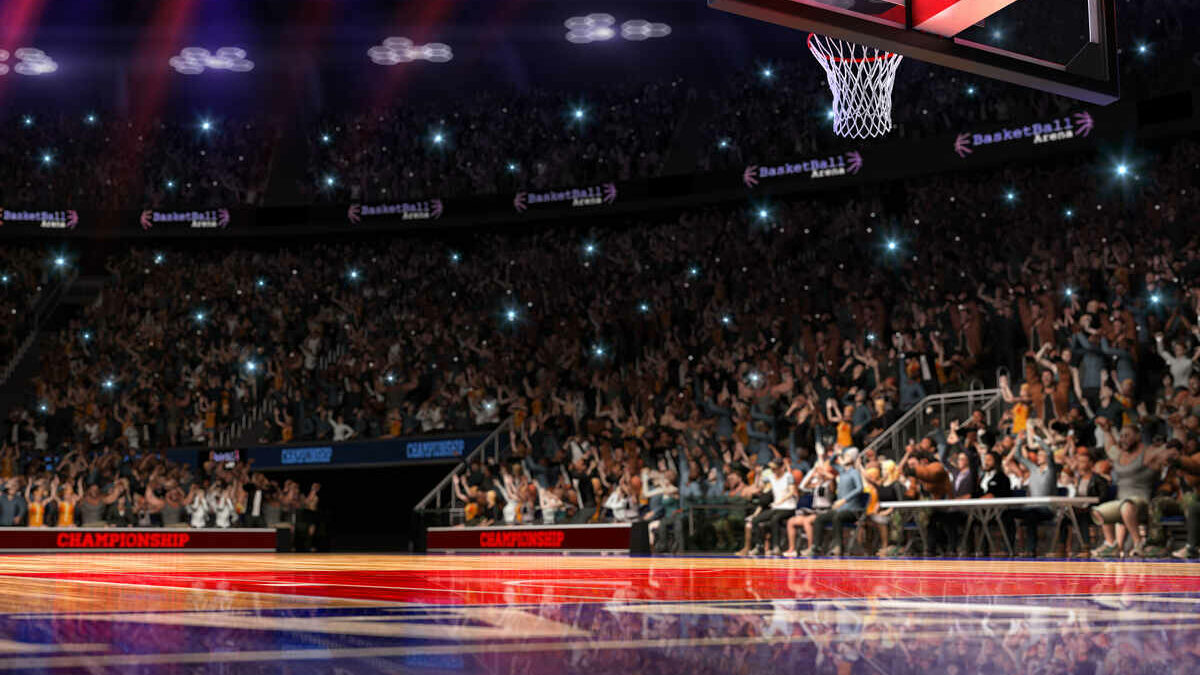
The Middle East is no longer just hosting sports events; it is reshaping the global sports economy. A new wave of investment, ambition, and cultural shift is placing the region at the center of a rapidly expanding sports ecosystem. With an estimated $75 billion in growth potential, the Middle East sports economy is emerging as one of the most exciting and transformative sectors in the global market.
From iconic stadiums rising from desert landscapes to packed arenas hosting world-class tournaments, sport has become both a symbol of progress and a powerful economic engine. Governments, private investors, and communities are aligning around a shared belief: sport is not just entertainment, it is a catalyst for jobs, tourism, innovation, and long-term national development.
A Region Rewriting the Rules of Sports Investment
For decades, sports economies were dominated by Europe and North America. Today, the Middle East is confidently rewriting that script. Strategic national visions have positioned sport as a pillar of economic diversification, reducing reliance on traditional industries and opening new revenue streams.
Saudi Arabia, Qatar, the UAE, and neighboring countries are investing billions into sports infrastructure, talent development, and global partnerships. These investments are not impulsive. They are calculated, long-term, and designed to build sustainable ecosystems that extend far beyond headline events.
This shift reflects a deeper understanding that sport creates value across multiple sectors, from construction and hospitality to media, technology, and education.
Mega Events as Economic Multipliers
Hosting major international tournaments has been a defining strategy for the region’s sports economy growth. These events act as powerful economic multipliers, generating immediate spending while leaving behind lasting infrastructure and expertise.
Global football tournaments, Formula racing, boxing championships, tennis tours, and emerging sports festivals are drawing millions of visitors and billions in media exposure. Each event boosts hotel occupancy, airline traffic, retail sales, and local employment.
More importantly, these events elevate the global profile of host nations, encouraging future investment and positioning cities as permanent fixtures on the international sports calendar.
Infrastructure That Shapes Cities and Communities
One of the strongest drivers of Middle East sports economy growth is infrastructure development. New stadiums, training centers, sports cities, and multi-use arenas are redefining urban landscapes.
These facilities are designed with legacy in mind. They are not built for a single event but for decades of use by professionals, amateurs, and communities alike. Many stadiums double as concert venues, cultural hubs, and public spaces, ensuring year-round economic activity.
The ripple effect is substantial. Construction projects create thousands of jobs, while completed venues support event management, security, maintenance, and hospitality roles long after the final whistle.

Youth, Demographics, and a Sporting Culture Shift
The Middle East has one of the youngest populations in the world, and this demographic reality is shaping the future of its sports economy. Young people are not only fans; they are participants, creators, and entrepreneurs within the sports ecosystem.
Governments and private organizations are investing heavily in grassroots programs, school leagues, and youth academies. This focus builds healthier societies while also creating future professional athletes, coaches, sports managers, and media professionals.
The cultural shift toward active lifestyles is fueling demand for gyms, fitness apps, amateur leagues, and recreational facilities, adding another layer of growth to the sports economy.
Women’s Sports as a Rising Economic Force
Women’s participation in sports across the Middle East has accelerated dramatically in recent years. From professional leagues to international competitions, women athletes are gaining visibility, sponsorships, and fan support.
This growth is opening new commercial opportunities. Brands are aligning with women’s teams, broadcasters are expanding coverage, and events are attracting diverse audiences. The result is a broader, more inclusive sports economy that reflects modern social values.
Women’s sports are no longer a side story; they are becoming a central chapter in the region’s economic and cultural transformation.
Sports Tourism and Global Fan Engagement
Sports tourism is emerging as a major contributor to regional growth. Fans are traveling specifically to attend matches, races, and tournaments, often combining sports with leisure, culture, and shopping.
This blend of sport and tourism is especially powerful in the Middle East, where modern infrastructure meets rich heritage. Visitors attend events, explore historic sites, enjoy local cuisine, and extend their stays, increasing overall economic impact.
Digital engagement is also expanding global reach. Through streaming platforms, social media, and interactive fan experiences, Middle Eastern sports events are attracting international audiences who may become future visitors and investors.
Technology, Innovation, and the Digital Sports Economy
The Middle East is not just building stadiums; it is building smart sports ecosystems. Technology is playing a central role in enhancing fan experiences, athlete performance, and operational efficiency.
From data-driven training systems and virtual fan engagement to cashless stadiums and immersive broadcasting, innovation is reshaping how sport is consumed and monetized. Startups and tech firms are finding fertile ground in the region, supported by investment funds and innovation hubs.
Esports, in particular, represents a fast-growing segment, appealing to younger audiences and blending gaming, entertainment, and competition into a lucrative digital economy.

Media Rights, Sponsorships, and Brand Power
As the sports landscape expands, so does its commercial value. Media rights deals, sponsorship agreements, and naming partnerships are becoming increasingly competitive.
Global brands see the Middle East as a gateway to new markets, while regional companies use sports partnerships to build international recognition. The result is a dynamic sponsorship environment that fuels revenue growth and professionalizes sports management.
Broadcasting investments are also increasing, ensuring high-quality coverage that meets global standards and attracts international viewers.
Job Creation and Skills Development
Beyond the glamour of major events, the sports economy is quietly creating thousands of jobs across skill levels. Event planners, marketers, physiotherapists, analysts, journalists, and facility managers are all part of the expanding workforce.
Education and training programs are evolving to meet this demand. Universities and institutes are offering specialized courses in sports management, marketing, and science, building a pipeline of local talent.
This focus on skills development ensures that economic benefits are retained within the region and sustained over the long term.
Sustainability and Long-Term Vision
A defining feature of Middle East sports economy growth is its long-term vision. Sustainability is becoming a core consideration, from environmentally friendly stadium designs to community-focused legacy planning.
Organizers are increasingly mindful of social and environmental impact, recognizing that responsible development strengthens global credibility and public support. This balanced approach positions the region as a serious, future-ready player in the global sports economy.
The Road Ahead: From Potential to Powerhouse
The estimated $75 billion growth potential is not just a projection; it is a reflection of momentum already underway. With continued investment, innovation, and inclusive policies, the Middle East is on track to become a global sports powerhouse.
What sets the region apart is its ability to think big while planning smart. By combining world-class events with grassroots development, technology, and tourism, the Middle East is building a sports economy that is resilient, diverse, and deeply connected to society.
For fans, athletes, businesses, and communities, this growth represents more than numbers. It signals opportunity, pride, and a shared future shaped by the unifying power of sport.
Do follow Gulf Magazine on Instagram.
Also Read – Saudi Arabia to Host 27th Arabian Gulf Cup 2026

