

A Commitment to Integrity and Accountability
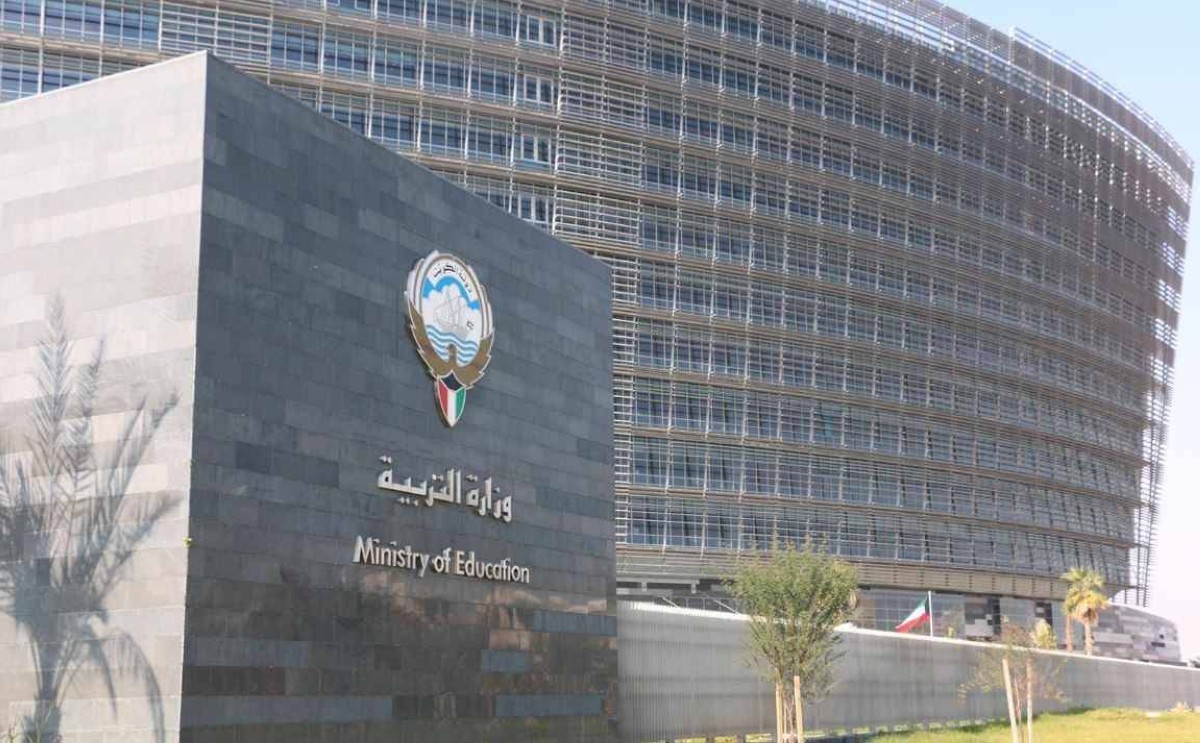
In a decisive move to uphold transparency and fairness in education, the Ministry of Education has officially established a special committee to investigate reported irregularities in the printing and delivery of school books for the academic year. This step signals the ministry’s earnest dedication to ensuring that every student receives the correct materials on time and that public trust in school procurement systems is restored and strengthened.
The decision reflects more than bureaucratic housekeeping. It reflects a recognition that education’s foundation depends on reliable, high quality resources. When supplies falter, students bear the cost, and so too does the promise of equitable learning. By acting swiftly and publicly, the ministry is sending a message: the materials our children use matter, the process that delivers them matters, and oversight matters.
What the Committee Will Magnify
The newly formed oversight body carries a detailed and rigorous mandate. It will:
- Examine all 115 listed contracts related to textbook printing and supply to ensure they were awarded transparently and in accordance with legal and technical specifications.
- Verify whether the companies selected to print and distribute books fulfilled every contractual obligation, meeting deadlines, supplying correct quantities and quality, and adhering to established conditions.
- Look into the reasons why certain bidders were excluded, whether the exclusion was justified, and whether the evaluation and award process conforms to rules of fairness.
- Scrutinize whether printing presses and suppliers submitted required documentation, followed specification standards, and whether any steps in the chain from bidding to delivery were bypassed or compromised.
- Maintain confidentiality in its proceedings but produce a comprehensive report for the minister with clear findings and remedial recommendations.
From this work, the hope is not just to identify lapses but to build a stronger and more resilient procurement mechanism going forward.

Why This Matters for Students and Schools
For students, especially in primary and secondary schools, timely access to textbooks is far more than a convenience—it’s a critical component of their right to learn. When books arrive late, are missing pages, or fail to meet required standards, teachers’ plans are disrupted, learning gaps widen, and morale can falter. Schools may struggle to catch up, teachers may spend precious time compensating for missing resources, and students may lose momentum.
For schools and teachers, efficient supply chains allow the focus to remain on teaching and learning, not chasing deliveries or compensating for shortages. For the broader education system, each glitch in the chain of procurement chips away at public confidence. By investigating and addressing irregularities now, the ministry is aiming to safeguard not just book shipments but the integrity of the entire system.
The Broader Context: Transparency in Procurement
While this investigation is focused on one set of contracts for the current academic year, it sits within a larger conversation about how educational resources are procured globally. Instances where textbooks were over supplied, delayed, or supplied without clear accountability have occurred in various jurisdictions, and each such incident underscores the importance of robust systems, clear criteria and genuine oversight.
By forming this committee, the ministry is aligning with best practices, establishing independent review, involving legal and technical experts, and setting a clear deadline for the committee’s work. This approach not only addresses immediate concerns but strengthens the foundation for future procurement cycles.
Possible Outcomes and What to Watch For
The committee’s work may result in a number of actions:
- Identification of firms or contractors that failed to meet obligations, and the initiation of administrative or financial accountability.
- Recommendations to reform bidding processes, contract design, monitoring and evaluation mechanisms to prevent similar disruptions in future.
- Publication of the committee’s findings (to the extent permitted by confidentiality rules) to boost transparency and public trust.
- Follow up mechanisms to make sure recommendations are implemented. Integrity is not built by investigation alone but by sustained reform.
As the committee begins its work, it will be important to monitor whether its findings are delivered on time, how the ministry follows up on recommendations, whether procurement cycles in future years exhibit greater efficiency, transparency and consistency, and whether students and schools report improved experiences of material delivery.
Humanising the Impact: Stories Behind the Paper
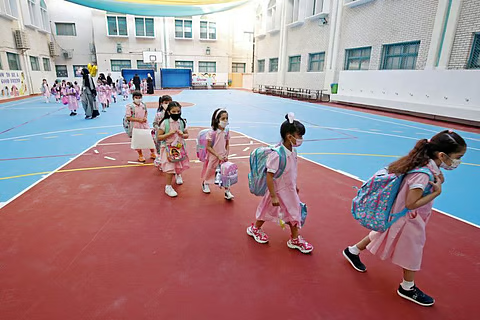
Behind the contracts, the specifications and the legal documentation are real children, teachers and schools. Imagine a class where students wait for a textbook that never arrives on time, or one that has errors or missing sections. Imagine a teacher who has to redesign lessons or find alternative resources because the expected book shipment got delayed. The ripple effect is real.
By committing to investigate these supply issues, the ministry acknowledges the human side of procurement: that it’s not just about printing quantities, but about delivering knowledge, supporting teaching, and enabling young minds to grow. The stake is high. Each textbook is a tool for a child’s future. Each delayed or flawed delivery is a setback that can hinder progress.
When students open their books on the first day of class and find them complete, timely and up to standard, they feel valued. Teachers feel equipped. Schools feel empowered. And the education system shows its strength in action.
Looking Ahead: Building Trust and Sustaining Reform
Investigations alone, however necessary, are not enough. The ministry’s next challenge is to convert findings into sustained improvements. That means following through with reforms, tightening bidding processes, ensuring clearer contract terms, conducting regular audits, and promoting a culture of accountability.
It means creating mechanisms where schools themselves can raise red flags, where delivery timelines are tracked and where deviations trigger swift responses. It also means building capacity: training procurement officials, equipping monitoring teams, and ensuring that the technology and systems behind supply chains are up to scratch.
In the end, it’s about trust. Trust that when the system says a textbook will arrive, it does. Trust that the process is fair, and the outcome reliable. Trust that every child, regardless of background or geography, receives their learning tools on time and in good order.
By forming this committee, the ministry signals that it values that trust and is prepared to act to protect it.
In Conclusion
The establishment of this investigative committee is a strong step toward reinforcing the integrity of educational resource delivery. It places students, teachers and schools at the centre of the process, underlines the importance of fair and transparent procurement, and promises a future where disruptions to learning are minimised.
True, the proof will lie in follow through, in how recommendations are adopted, in whether supply chains improve, and in whether every child opens the right textbook at the right time. But beginning with an investigation is a positive, proactive stance. It is an invitation to restoration of confidence, to renewal of commitment, and to a system that not only promises but delivers.
For students, schools and parents alike, the message is clear: their education matters, not just in words but in the logistical details that make learning possible day in and day out. And that detail is now getting the attention it deserves.
Do follow Gulf Magazine on Instagram.
Also Read – Ancient Majesty Unearthed 4000 Year Old Temple Emerges in Kuwait

