

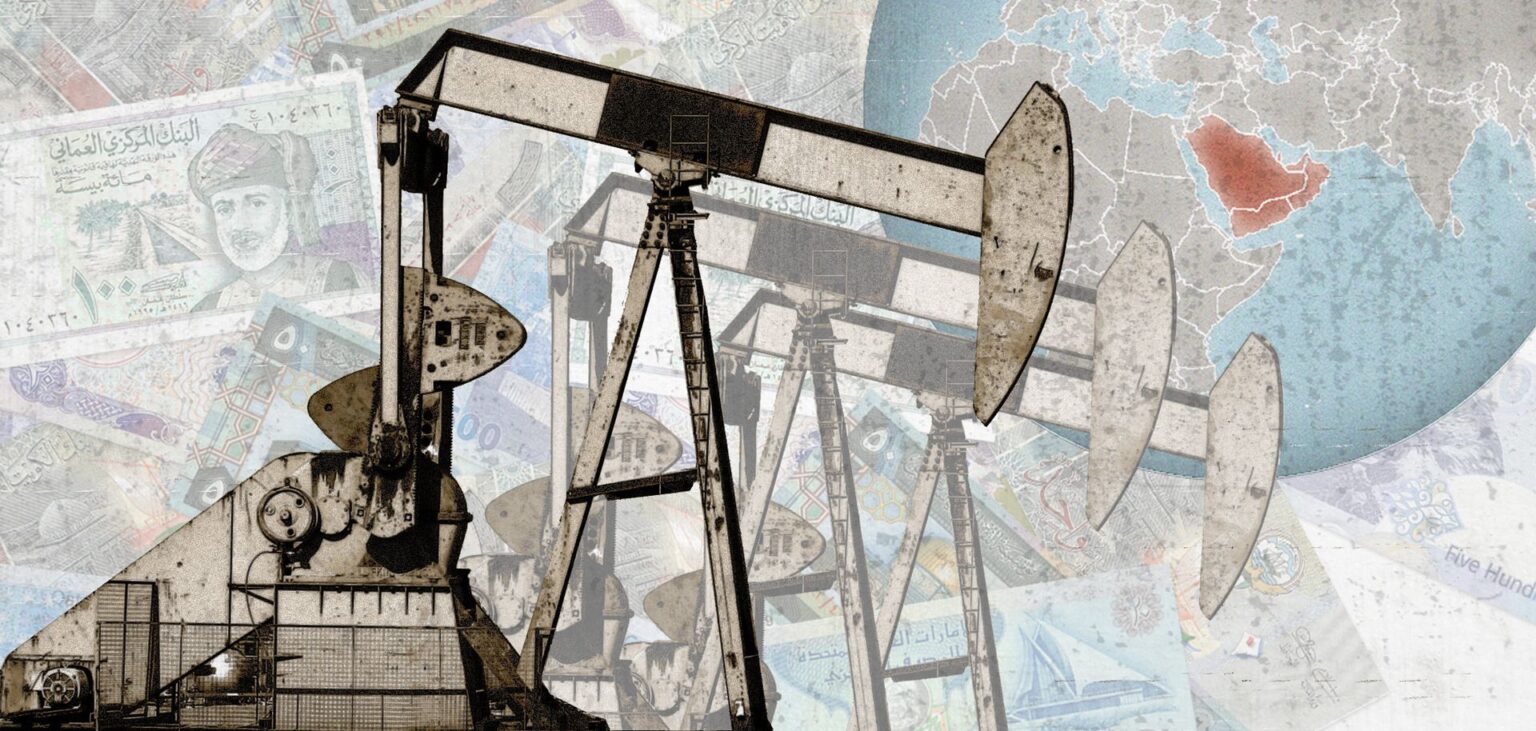
The Gulf Cooperation Council (GCC) has long been synonymous with oil wealth. However, as the global economy evolves, GCC nations confront significant challenges in maintaining monetary policy support amid fluctuating oil prices. The intricate relationship between oil revenues and economic stability presents a complex landscape for policymakers. Understanding these dynamics is crucial for grasping the future of economic resilience in the region.
The Interplay of Oil Prices and Monetary Policy
In the GCC, oil is more than just a commodity; it is the lifeblood of the economy. Historically, oil revenues have funded government budgets, infrastructure development, and social programs. However, the volatility of oil prices poses substantial risks to monetary policy. When oil prices soar, governments enjoy increased revenues, allowing for expansive fiscal policies. Conversely, during downturns, the pressure mounts on monetary authorities to respond effectively.
This cyclicality creates a challenging environment for central banks. They must navigate the fine line between supporting economic growth and controlling inflation, especially when oil prices fluctuate unpredictably. This has led to a precarious balancing act, where monetary policy support faces significant challenges.
Rising Oil Prices: Opportunities and Risks
When oil prices rise, GCC economies often experience a surge in economic activity. Increased revenues allow for investment in infrastructure, education, and technology, fostering long-term growth. However, this boom can lead to inflationary pressures, which complicates monetary policy.
Central banks may respond by raising interest rates to control inflation, but this can stifle growth. The dilemma intensifies when global oil demand starts to wane, prompting fears of a potential economic slowdown. In such scenarios, monetary policy support becomes essential, but it can be hindered by the underlying dependency on oil revenues.
The Push for Economic Diversification
Recognizing the risks associated with dependence on oil, GCC nations are increasingly pursuing economic diversification strategies. This initiative is not merely about reducing reliance on oil; it is about building resilient economies that can withstand external shocks.
Countries like Saudi Arabia and the UAE are investing heavily in sectors such as tourism, technology, and renewable energy. These efforts aim to create sustainable economic models that can thrive independently of oil revenues. However, the transition is complex and requires careful consideration of monetary policy support in the face of oil challenges.
The Role of Monetary Policy in Economic Resilience
As GCC markets grapple with the uncertainties of oil prices, the role of monetary policy becomes more critical than ever. Central banks must adopt flexible approaches to monetary policy that can adapt to changing economic conditions. This flexibility is vital for supporting growth without exacerbating inflation.
Additionally, central banks might need to consider innovative monetary tools, such as adjusting reserve requirements or implementing unconventional policies. These measures can provide the necessary support in challenging times, allowing economies to weather the storms of oil price volatility.
Global Economic Influences on GCC Markets
The GCC economies are not isolated; they are influenced by global economic trends. As the world shifts towards renewable energy sources, the demand for oil may decline in the coming years. This transition could disrupt traditional economic models, compelling GCC nations to accelerate their diversification efforts.
Moreover, geopolitical factors can also impact oil prices and, consequently, monetary policy. Political instability in oil-producing regions can lead to supply disruptions, affecting global oil markets. GCC policymakers must remain vigilant and responsive to these external influences as they formulate monetary strategies.
Conclusion: Navigating Uncertain Waters
Monetary policy support faces significant challenges in GCC markets due to the intricate relationship with oil prices. As these economies strive for resilience and diversification, the role of monetary authorities becomes increasingly vital. Balancing growth and inflation in an environment of fluctuating oil revenues is no small feat.
The future of GCC economies hinges on their ability to adapt to changing circumstances. By fostering economic diversification and implementing flexible monetary policies, these nations can navigate the uncertain waters ahead. The commitment to economic resilience will ultimately determine their success in overcoming the challenges posed by oil price volatility.
Do follow Gulf Magazine on Instagram.
Also Read – GCC GDP Expected to Grow 4.1% in 2025 and 4.6% in 2026

