

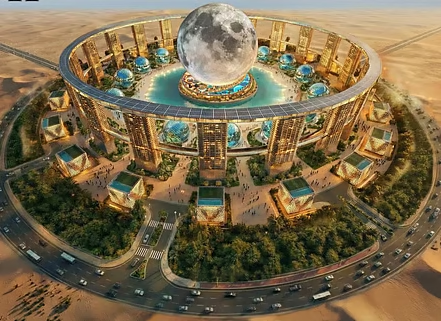
The Moon megaproject is quickly becoming one of the most ambitious international efforts of the modern era. Designed to expand humanity’s presence beyond Earth, this massive initiative aims to establish advanced lunar infrastructure while directly involving ten countries in research, technology development, manufacturing, and operations.
Unlike earlier space missions that focused mainly on national pride or scientific curiosity, this new effort is deeply connected to real-world benefits. Governments, private companies, universities, and research centers are working together to create a sustainable lunar ecosystem that could transform industries back on Earth.
From energy innovations to advanced robotics and telecommunications, the Moon megaproject promises ripple effects across the global economy. For many participating nations, it represents not just a space program but a long-term investment in technological leadership and economic growth.
What Is the Moon Megaproject?
The Moon megaproject refers to a large-scale international plan to build permanent capabilities on and around the Moon. Instead of a single mission, it consists of many coordinated programs that will unfold over several years.
Key components include:
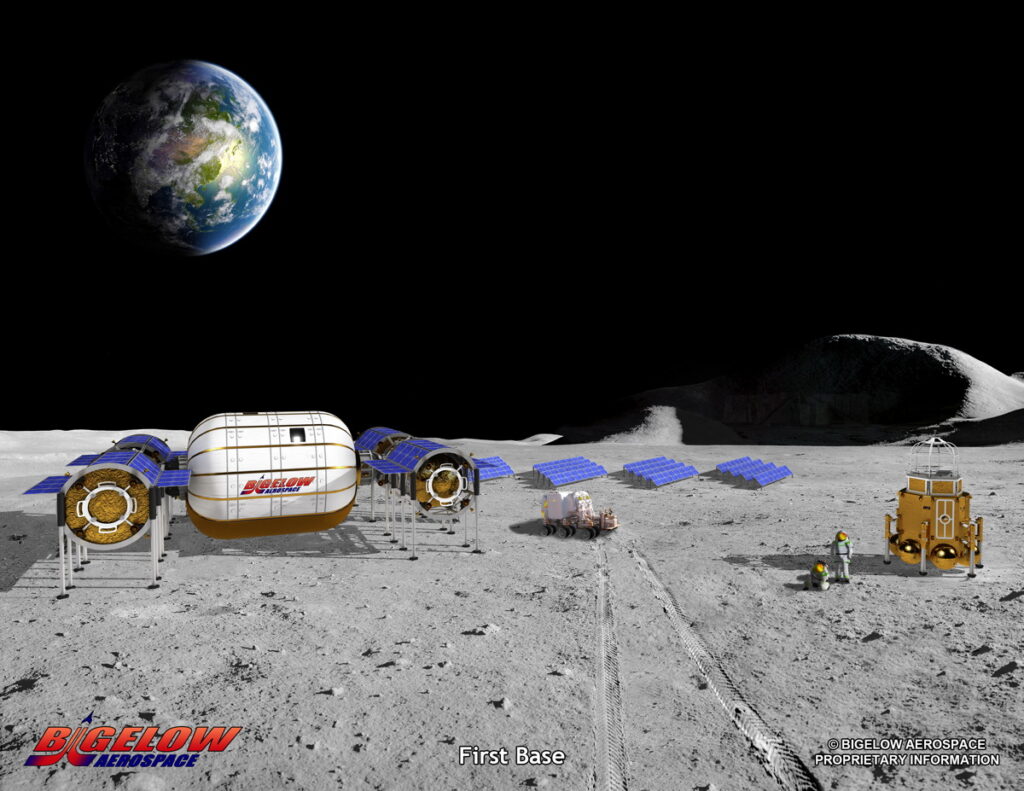
- Construction of lunar bases for long-term human presence
- Robotic mining operations to extract lunar resources
- Satellite networks for Moon-based communications
- Research stations for scientific experiments
- Transportation systems between Earth and the Moon
- Infrastructure for future deep-space missions
The goal is not simply to visit the Moon but to stay there and use it as a stepping stone for exploring Mars and beyond.
Why Ten Countries Are Involved
Space exploration has become too complex and expensive for most nations to handle alone. By distributing responsibilities across multiple countries, the Moon megaproject reduces costs while maximizing expertise.
Each participating country contributes unique strengths, such as:
- Advanced engineering and manufacturing
- Launch capabilities
- Scientific research
- Artificial intelligence and robotics
- Telecommunications systems
- Energy solutions
- Materials science
This collaborative model also spreads economic benefits more widely. Factories, research centers, and training programs will operate in multiple locations, creating jobs and boosting local industries.
Economic Impact on Participating Nations
The Moon megaproject is expected to generate billions of dollars in economic activity. Governments see it as a long-term investment that can stimulate growth in several sectors.
Job Creation
New opportunities will emerge across many fields:
- Aerospace engineering
- Software development
- Construction and manufacturing
- Data science
- Environmental research
- Education and training
Many of these jobs will be high-skilled and high-paying, helping to build future-ready workforces.
Industrial Growth
Companies involved in the project will develop new technologies that can later be used commercially. For example:
- Lightweight materials for vehicles and buildings
- Advanced batteries and energy storage systems
- Autonomous machines for dangerous environments
- Precision manufacturing techniques
These innovations can transform industries ranging from transportation to healthcare.
Startup Opportunities
Small and medium-sized businesses are also expected to benefit. Governments are already offering grants and incentives to startups working on relevant technologies, including robotics, sensors, and communications tools.
Technological Breakthroughs Expected
The Moon megaproject is likely to accelerate innovation in ways similar to past space programs, which led to everyday technologies such as GPS, satellite TV, and advanced medical imaging.
Robotics and Automation
Because human labor on the Moon is limited and expensive, robots will perform many tasks, including construction, mining, and maintenance. These machines must operate autonomously in harsh conditions, pushing the boundaries of artificial intelligence and remote control systems.
Energy Systems
Reliable power is essential for lunar operations. Engineers are developing advanced solar arrays, compact nuclear systems, and high-capacity batteries that can withstand extreme temperature swings.
These energy solutions could later help address Earth’s growing power needs.
Communication Networks
A dedicated communication infrastructure will allow constant contact between Earth and lunar bases. This may involve satellite relays orbiting the Moon, creating a kind of “lunar internet.”
The technologies developed for this system could improve connectivity in remote regions on Earth.
Materials Science
Building structures on the Moon requires materials that can endure radiation, micrometeorites, and severe temperature changes. Researchers are experimenting with new composites and 3D printing techniques using lunar soil.
Environmental Considerations
While the Moon has no ecosystems like Earth, sustainability remains a priority. Scientists want to ensure that lunar activities do not create long-term hazards or debris that could interfere with future missions.
Plans include:
- Recycling systems for water and air
- Minimal waste generation
- Careful management of rocket emissions
- Safe disposal of obsolete equipment
Lessons learned could also improve environmental practices back home.
Strategic Importance of the Moon
The Moon is more than a scientific destination—it has significant strategic value.
Gateway to Deep Space
Launching missions from the Moon requires less fuel than from Earth due to its lower gravity. Establishing infrastructure there could make travel to Mars and other destinations more practical.
Resource Potential
The lunar surface contains materials that could support future industries, including metals and possibly water ice in permanently shadowed regions. Water can be split into hydrogen and oxygen to produce rocket fuel.
Space Security
Some governments view lunar presence as a matter of national security and technological leadership. Cooperation through the Moon megaproject helps reduce tensions while maintaining shared access.
Challenges Facing the Moon Megaproject
Despite its promise, the initiative faces significant obstacles.
High Costs
Space infrastructure requires enormous investment. Even with shared funding, budgets must cover launch vehicles, research, construction equipment, and ongoing operations.
Technical Risks
Operating on the Moon presents unique difficulties:
- Extreme temperature variations
- Lack of atmosphere
- Dust that can damage equipment
- Limited communication windows
- Long travel times for supplies
Engineers must design systems that can function reliably for years with minimal maintenance.
Political Coordination
With ten countries involved, decision-making can be complex. Differences in priorities, regulations, and funding timelines may slow progress.
Strong governance structures are needed to keep the project on track.
Role of Private Companies
Private space firms are playing an increasingly important role. Many governments now rely on commercial providers for launch services, spacecraft development, and technology innovation.
Companies benefit from government contracts while also pursuing future commercial opportunities, such as:
- Lunar tourism
- Resource extraction
- Satellite services
- Scientific missions for universities and corporations
Public-private partnerships are expected to drive much of the project’s momentum.
Education and Workforce Development
The Moon megaproject is inspiring a new generation of scientists and engineers. Schools and universities in participating countries are expanding programs related to space science, robotics, and advanced engineering.
Students may have opportunities to:
- Participate in research projects
- Intern with aerospace companies
- Work on satellite development
- Study planetary science
- Learn about sustainable technologies
This focus on education ensures a steady pipeline of skilled professionals for future missions.
Potential Benefits for Everyday Life
Although the project is centered on the Moon, its impact will be felt on Earth in many ways.
Improved Technology
Innovations developed for space often become part of daily life. Future benefits could include:
- More efficient renewable energy systems
- Advanced medical equipment
- Better communication tools
- Stronger and lighter construction materials
Global Cooperation
Working together on such a complex mission encourages peaceful collaboration between nations. Shared achievements in space can strengthen diplomatic ties and reduce conflict.
Inspiration and Cultural Impact
Human exploration of the Moon captures the imagination like few other endeavors. It reminds people of what can be achieved through creativity, perseverance, and cooperation.
Timeline for Implementation
While exact dates vary, the Moon megaproject is expected to unfold in phases:
- Preparation Phase: Technology development, testing, and training
- Initial Missions: Robotic exploration and site selection
- Infrastructure Deployment: Communication satellites and power systems
- Human Presence: Short-term missions followed by longer stays
- Permanent Operations: Continuous research and industrial activity
Full realization may take decades, but progress is already underway.
What Makes This Project Different
Previous lunar missions were largely symbolic or scientific. The Moon megaproject, however, is designed for sustainability and long-term use.
Key differences include:
- Multinational collaboration from the start
- Integration of commercial partners
- Focus on practical applications
- Plans for permanent infrastructure
- Emphasis on economic return
This approach reflects a broader shift in how humanity views space—not as a distant frontier, but as an extension of our economic and technological environment.
Looking Ahead
As the Moon megaproject moves forward, expectations continue to grow. Success could mark the beginning of a new era in which space becomes an active domain of human activity rather than an occasional destination.
For the ten participating countries, the initiative represents an opportunity to shape the future of exploration, innovation, and global cooperation.
For the rest of the world, it offers hope that humanity can work together on ambitious goals that benefit everyone.
Conclusion
The Moon megaproject set to land in ten countries is far more than a space program. It is a bold vision for technological progress, economic development, and international partnership.
By combining resources and expertise, participating nations aim to establish a lasting presence on the Moon while delivering tangible benefits on Earth. From job creation to scientific breakthroughs, the project could influence countless aspects of modern life.
Although challenges remain, the momentum behind the initiative suggests that humanity is entering a new chapter of exploration—one defined not by competition alone, but by collaboration on a global scale.
If successful, the Moon megaproject will not only transform our relationship with space but also redefine what nations can achieve when they work together toward a common goal.
Do follow Gulf Magazine on Instagram
Also read: 7 Emirati Investors Reshaping the UAE’s Business Landscape

