

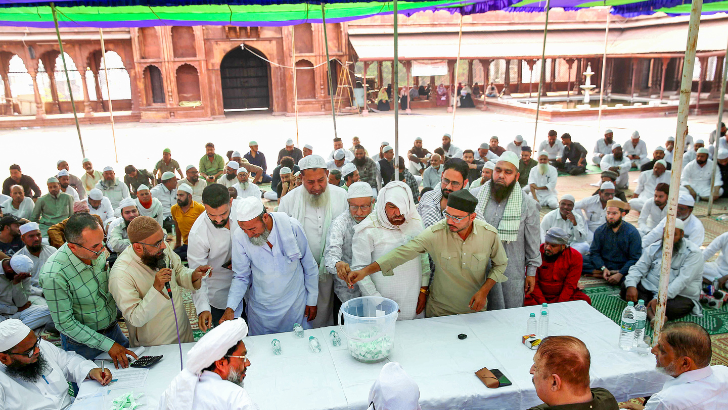
In a momentous decision for Indian Muslims aspiring to undertake the sacred Hajj pilgrimage in 2025, Saudi Arabia has agreed to allocate an additional 10,000 slots for Indian pilgrims. This announcement comes after concerns arose regarding a reduction in the private Hajj pilgrim quota for Indian Muslims. The Indian government, along with the Hajj Committee, stepped in to address these concerns and ensure that the situation was remedied for the upcoming Hajj season.
Background of the Situation
The Kingdom of Saudi Arabia had initially made the decision to reduce the private Hajj pilgrim quota for Indian pilgrims by 80 percent. This significant reduction left many potential pilgrims uncertain about their participation in the upcoming Hajj season, particularly those who had made arrangements through private tour operators. The decision to slash the quota impacted thousands of pilgrims who had already planned and paid for their trips to the holy city of Mecca.
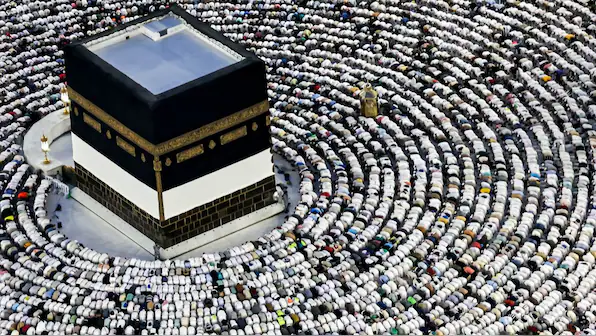
In total, the private sector in India had lost over 52,000 slots that were originally allocated to Combined Haj Group Operators (CHGOs) in India. These operators were responsible for organizing and managing the Hajj trips for a large portion of the pilgrims from India, and the sudden cut to the private sector’s quota caused significant distress among both operators and pilgrims alike.
The Indian Ministry of Minority Affairs attributed this issue to delays in the submission of documents by private tour operators, which resulted in the loss of these valuable slots. The Ministry quickly intervened and issued urgent directions to the tour operators to expedite the submission of necessary documents and meet all the requirements for the pilgrimage.
Saudi Arabia’s Positive Response
Following several rounds of diplomatic discussions between Indian officials and Saudi authorities, the Kingdom of Saudi Arabia has now agreed to increase the total Hajj quota for Indian pilgrims by 10,000 slots for the 2025 pilgrimage season. This addition brings the overall number of pilgrims India will be able to send to Hajj up to approximately 1.75 lakh (175,000).
This increase in the quota comes as a major relief to the Indian Muslim community, who have long seen the Hajj pilgrimage as a once-in-a-lifetime opportunity to fulfill one of the Five Pillars of Islam. The surge in available slots ensures that more pilgrims from India will have the chance to perform the sacred rituals at the holy sites of Mecca and Medina.
Distribution of Slots: Government and Private Operators
The government has outlined a clear distribution plan for these additional 10,000 slots. A significant portion of the increased quota—around 70 percent—will be managed and allocated through the Hajj Committee of India, a government body responsible for organizing the Hajj pilgrimage for Indian Muslims. This will ensure that a majority of the pilgrims from India are able to participate in the pilgrimage through a regulated and official system, guaranteeing fair distribution and accessibility for all eligible participants.
The remaining 30 percent of the slots will be allocated to private Hajj Group Organizers (CHGOs), who handle the arrangements for pilgrims who wish to travel independently or through private agencies. This distribution aims to strike a balance between both public and private channels, ensuring that all sectors of society have equal access to the opportunity to participate in the pilgrimage.
Positive Impact for Indian Pilgrims
The additional 10,000 slots are expected to make a significant difference for many Indian Muslims who were previously concerned about missing out on the pilgrimage due to the reduction in the private quota. Many pilgrims who had already registered through private operators and made their payments were left in limbo when the quota was slashed. Now, with the new arrangement in place, these pilgrims will have renewed hope of fulfilling their lifelong dream of performing Hajj.
The government’s intervention, in collaboration with Saudi authorities, has restored the trust of many in the system and reassured them that they will not be deprived of this religious opportunity. As a result, Indian Muslims, especially those who were uncertain about their future involvement, now have greater confidence that they will be able to embark on their sacred journey.
Government’s Role in Facilitating Smooth Registration
The Ministry of Minority Affairs has emphasized the importance of completing all necessary documentation in a timely manner to ensure that no allocated slots go unused. The government has called on private tour operators to expedite the process, ensuring that every available slot is filled and that pilgrims are not left behind due to bureaucratic delays.
This appeal underscores the critical need for collaboration between the Hajj Committee, private operators, and the government to ensure that every potential pilgrim has a chance to perform Hajj without facing unnecessary delays or complications. It is essential for operators to assist pilgrims in completing their applications and submitting documents well ahead of deadlines to avoid any last-minute rushes or issues.
Additionally, the Indian government has advised all prospective pilgrims to stay in regular contact with their tour operators and the Hajj Committee. This communication is vital to ensure that pilgrims receive timely updates and guidance regarding their travel plans, including visa applications, travel arrangements, and the necessary health and safety protocols that must be followed before departure.
Preparing for a Smooth Hajj 2025 Season
As the Hajj season for 2025 draws closer, both the Indian government and Saudi authorities are working diligently to ensure a seamless and organized experience for all participants. This involves streamlining administrative procedures, enhancing communication, and ensuring that all health and safety guidelines are in place, especially given the ongoing global health considerations.
The Indian government, in partnership with Saudi Arabia, is committed to ensuring that the 2025 Hajj season will be conducted smoothly, with adequate provisions for both the pilgrims and the officials overseeing the pilgrimage. The goal is to minimize any challenges or disruptions, making sure that every participant can perform the pilgrimage in peace and safety.
Conclusion
The increase in Hajj quotas for Indian pilgrims in 2025 marks a significant milestone in the relationship between India and Saudi Arabia. It is also a major development for Indian Muslims, many of whom have been eagerly waiting for the chance to fulfill one of the most important obligations in their faith.
With the additional 10,000 slots, the government aims to create a more inclusive and accessible pilgrimage experience for all Indian Muslims, regardless of their socio-economic background. Pilgrims are encouraged to remain informed, stay proactive in their registration processes, and follow all necessary procedures to ensure a successful and meaningful pilgrimage.
By working together, the Indian government, private tour operators, and Saudi Arabia are making significant strides in facilitating the Hajj pilgrimage for thousands of Indian Muslims in 2025, ensuring that more pilgrims can fulfill their spiritual aspirations.

