

A major environmental breakthrough is coming to the beautiful waters of Musandam. Known for its crystal-clear sea, stunning coastline, and rich marine biodiversity, Musandam is now set to test a new coral nursery technology that could protect and restore its fragile underwater ecosystem.
This exciting project is part of a growing regional effort to save coral reefs, which are in danger due to climate change, overfishing, pollution, and warming seas. For Musandam, the coral nursery isn’t just a scientific experiment—it’s a lifeline for its marine environment and coastal communities.
Let’s dive into how this trial is expected to work, why it’s so important, and what it means for the future of coral reefs in the Gulf.
A Natural Treasure Under Threat
Musandam, located in the northern part of Oman, is often described as the “Norway of Arabia” because of its dramatic fjords and underwater beauty. Its coral reefs are home to hundreds of fish species, sea turtles, and other marine creatures that attract divers and nature lovers from around the world.
But in recent years, scientists and local fishermen have noticed worrying signs: bleaching coral, fewer fish, and changes in water temperatures. These are all indicators that Musandam’s reefs are under stress.
Coral bleaching, caused by rising sea temperatures, is one of the biggest threats. When the ocean gets too warm, corals expel the algae that give them color and energy. If this continues for too long, the corals can die. This affects the entire food chain—from tiny sea creatures to large fish—and eventually the people who depend on fishing and tourism.
What Is Coral Nursery Technology?
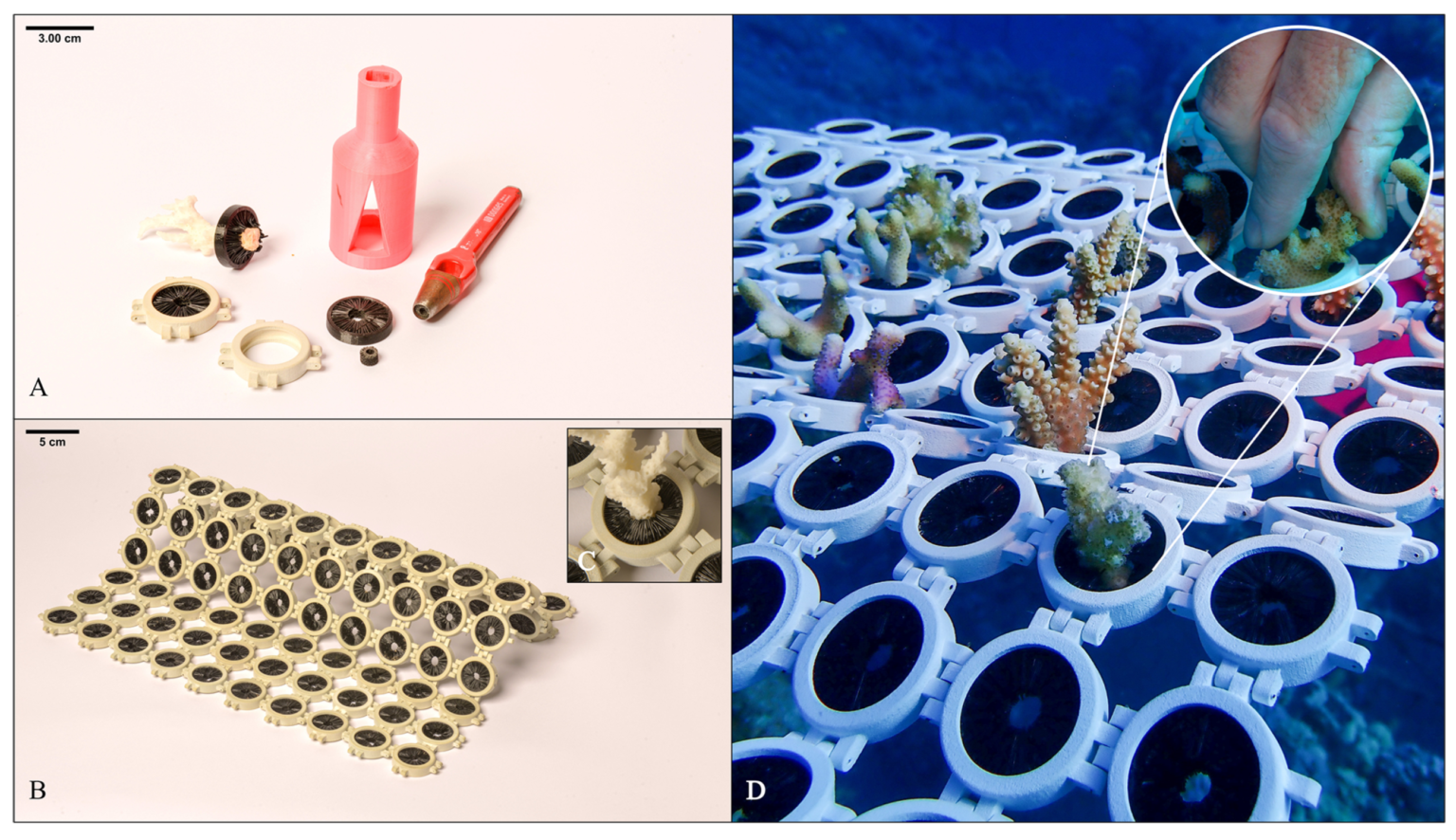
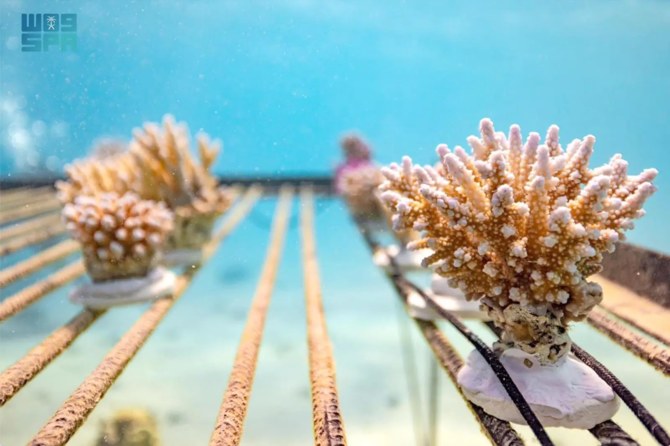
To fight back, experts are turning to coral nursery technology. This method involves growing baby corals in safe, controlled environments—called nurseries—before planting them back onto damaged reefs.
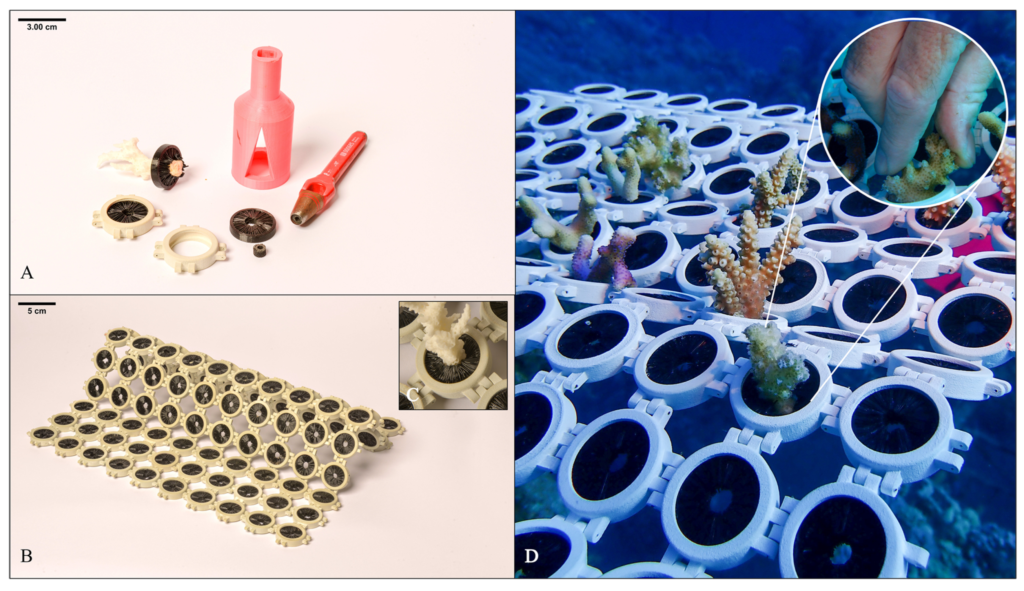
In Musandam’s case, the project will use floating nursery structures placed in shallow waters. These structures are designed to grow new coral fragments faster and healthier than they would in the wild. Some nurseries may even use 3D printing technology or special underwater materials that mimic natural reef surfaces.
Once these baby corals are strong enough, they will be planted on parts of the reef that have been damaged or destroyed. Over time, the corals will grow and create new reef habitats, giving fish and other marine life a place to live again.
This method has already seen success in places like the Maldives, the Caribbean, and even parts of the UAE. Now, it’s Musandam’s turn to see if this innovation can work in its waters.
A Partnership for the Planet
The coral nursery trial is being led by local environmental organizations in collaboration with marine scientists, engineers, and government bodies. International experts have also been invited to share knowledge and assist in setting up the nursery systems.
This cross-border teamwork is essential because saving coral reefs is not something one country can do alone. Ocean currents don’t follow borders, and what happens in one area can easily affect another. For example, healthy reefs in Musandam can help fish populations recover not just locally, but across the Arabian Gulf.
According to environmental officials, this coral nursery trial is just the beginning. If the project proves successful, it could be expanded to cover larger areas of the coastline and even used as a model for other Gulf countries.
A Boost for Eco-Tourism
Protecting coral reefs isn’t just about saving nature—it also has economic benefits. Musandam has become a favorite destination for eco-tourists, divers, and snorkelers who come to explore its underwater world.
However, if the reefs continue to decline, these visitors may stop coming, which would hurt local businesses and jobs. By restoring the coral, the region is also investing in its future as a tourism hotspot.
Local diving centers have expressed strong support for the coral nursery plan. Many of them are eager to participate in monitoring, guiding divers around the nursery sites, and helping to spread awareness about the importance of marine conservation.
One dive instructor based in Khasab said, “We see the changes in the reef every year. This project gives us hope that the beauty of Musandam’s underwater world can be saved.”
Involving the Local Community
One key aspect of the coral nursery initiative is community engagement. The project organizers are working to involve local fishermen, youth groups, schools, and volunteers in reef restoration activities.
Workshops are already being planned to teach people how coral reefs work, why they are important, and how to protect them. Some volunteers may even help care for the baby corals or take part in planting them during special events.
Involving the local community ensures that the project doesn’t just survive—it thrives. It also builds a sense of pride and responsibility among those who call Musandam home.
What Comes Next?
Over the coming months, the trial coral nursery will be closely monitored to see how well the corals grow and survive in Musandam’s unique conditions. Data will be collected on water quality, coral health, and fish populations in the surrounding area.
The results of the trial will help determine whether the project can move to a larger scale. If successful, Musandam could become a leader in coral restoration in the Gulf region.
Environmentalists are hopeful. “This isn’t just a science experiment—it’s a promise to future generations,” said one of the project leaders. “If we act now, we can save our reefs before it’s too late.”
A Message of Hope
Musandam’s coral nursery project sends a powerful message: that even in the face of environmental challenges, it’s possible to create change through innovation, teamwork, and care for nature.
As the world struggles with climate change and biodiversity loss, small but focused efforts like this one offer hope. By protecting coral reefs, Musandam is protecting not only marine life, but also the culture, economy, and identity of its people.
In the end, it’s not just about saving corals—it’s about saving a way of life.
Also read: Iraq’s Desert Turns Green: Farmers Tap Groundwater Power

