

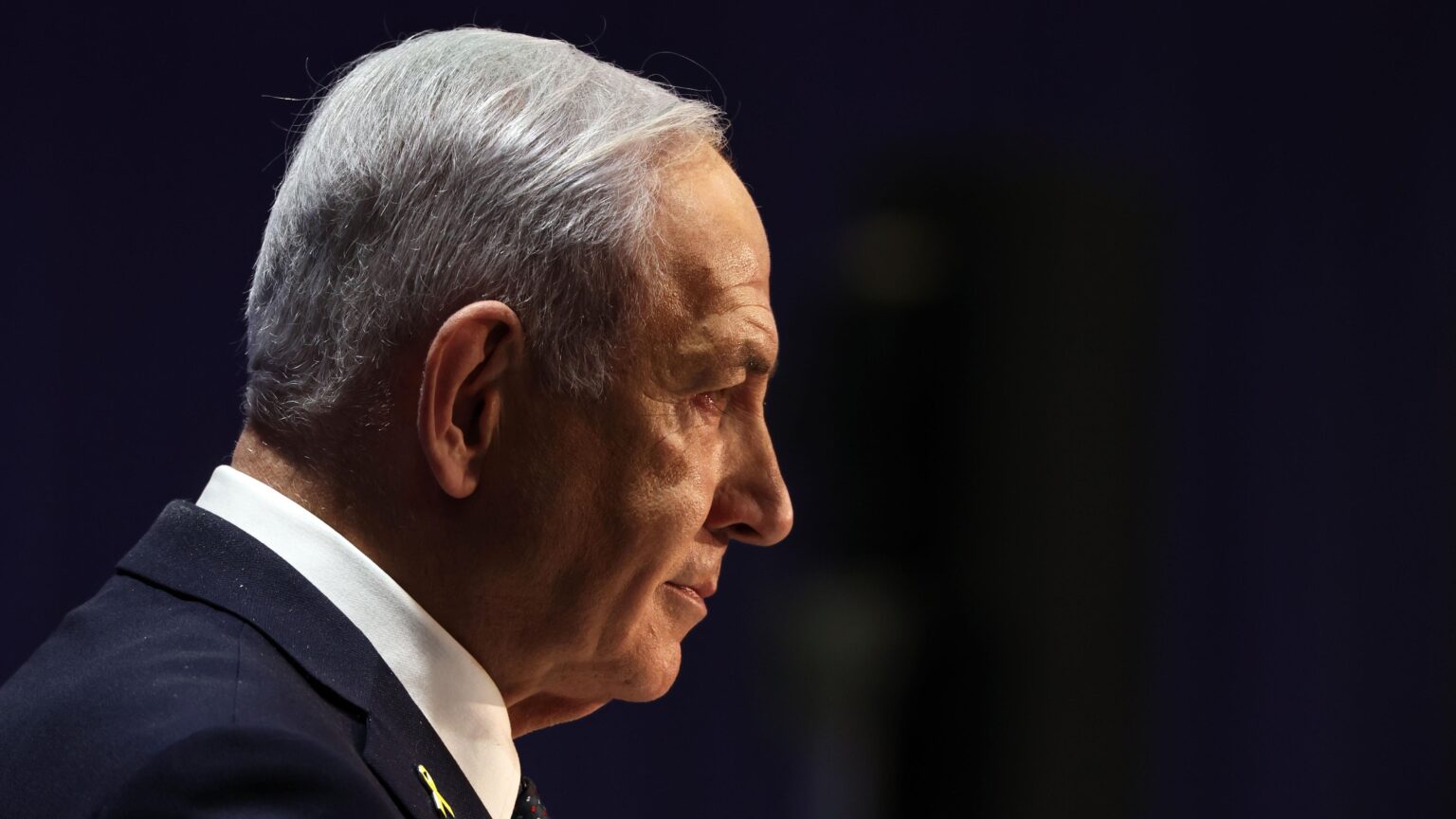
Israeli Prime Minister Benjamin Netanyahu has called a police investigation into alleged ties between his top advisers and the Gulf state of Qatar a “political witch hunt.” His reaction comes after two of his closest media aides were arrested on suspicion of receiving illegal funds from Qatar to manipulate public opinion and influence foreign policy through the media.
The scandal, quickly dubbed “Qatargate” in Israeli media, has sent shockwaves through the country’s political establishment. It raises fresh concerns about foreign influence in Israeli politics and has sparked widespread public debate about media ethics, government transparency, and the long-term implications for regional diplomacy.
The Arrests That Sparked a Storm
On April 3, Israeli police detained Jonatan Urich and Eli Feldstein—two of Netanyahu’s most senior media consultants. The two were reportedly questioned over suspected lobbying activities that allegedly benefited the government of Qatar. Investigators believe that the pair accepted payments—either directly or indirectly—from Qatari sources to promote the Gulf nation’s interests in Israel.
Urich and Feldstein have since been placed under house arrest by an Israeli court, pending further investigation. Their phones and laptops were seized, and more people connected to the case are expected to be called in for questioning.
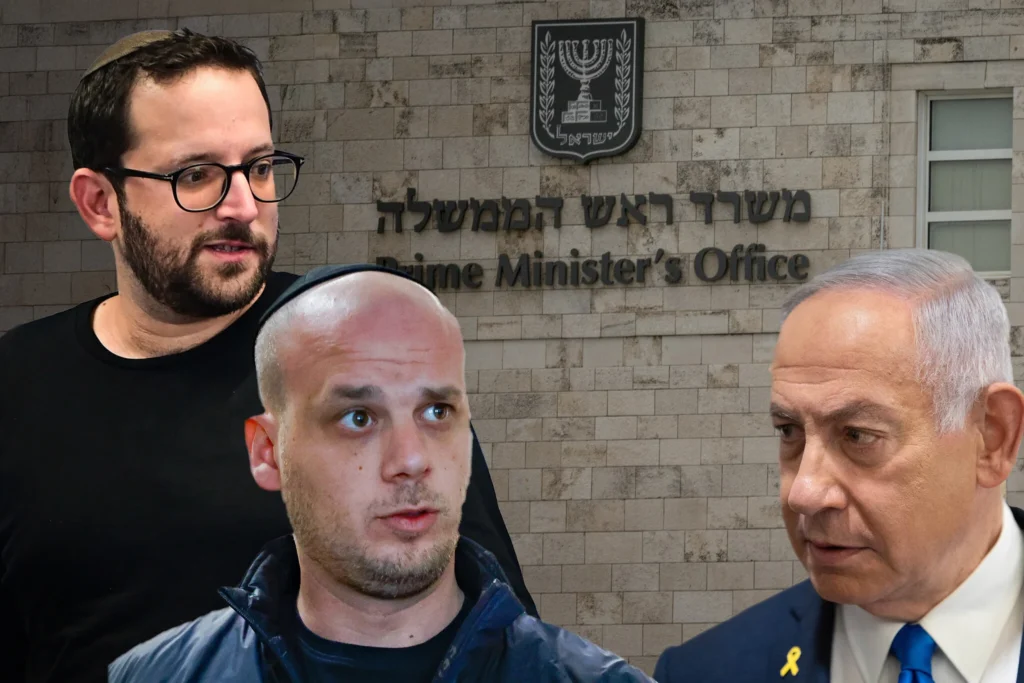
According to leaked reports from the investigation, the money may have come through a U.S.-based lobbying firm acting on behalf of Qatar. These funds were allegedly used to shape favorable media narratives and influence Israeli public discourse, especially regarding Qatar’s role in regional peace efforts.
While no official charges have been filed yet, the arrests have ignited a political firestorm.
Netanyahu’s Fiery Response
Prime Minister Netanyahu quickly issued a public statement condemning the investigation. In a televised address, he labeled it a “witch hunt” orchestrated by elements within the police and judiciary. He claimed the investigation was part of a larger political campaign to bring down his government.
“They are trying to overturn a democratically elected government by targeting those closest to me,” Netanyahu said. “This is not justice. This is political persecution under the guise of law enforcement.”
This rhetoric is familiar to Israeli citizens, as Netanyahu has often used similar language during his ongoing trial on separate corruption charges, which include bribery, fraud, and breach of trust. By comparing this new scandal to his existing legal troubles, Netanyahu is doubling down on his narrative that Israel’s legal system is biased against him.
Critics, however, argue that Netanyahu is trying to delegitimize institutions meant to safeguard democracy and accountability. Opposition lawmakers have called for full transparency and urged the Prime Minister to allow the legal process to proceed without interference.
The ‘Qatargate’ Allegations: What’s at Stake?
The core allegation in the so-called Qatargate affair is that foreign money was used to influence Israel’s domestic politics—a highly sensitive issue in a country that has always been alert to external threats and manipulation.
Qatar has no formal diplomatic relations with Israel, though the two countries have interacted through unofficial channels for years. Qatar is also known to support Hamas, the Palestinian militant group that governs the Gaza Strip, which makes the alleged dealings particularly controversial.
According to sources close to the investigation, the Qatari-linked funds were intended to boost the Gulf state’s image in Israel and abroad. In particular, there are concerns that these efforts may have aimed to weaken Egypt’s traditional role as the main mediator between Israel and Hamas, while positioning Qatar as a more favorable alternative.
These allegations strike at the heart of national security and regional diplomacy. If proven, they could severely damage Israel’s credibility on the international stage and complicate already tense relationships with its Arab neighbors.
The Role of the Media and Public Manipulation
The media is also under scrutiny in this unfolding saga. Reports suggest that several Israeli journalists and media outlets may have unknowingly participated in promoting Qatari-friendly narratives, potentially as part of a broader campaign funded by foreign interests.
This raises urgent questions: To what extent is Israel’s media vulnerable to manipulation? Were any news organizations complicit in publishing content designed to influence public opinion in favor of Qatar?
While no major media house has been formally accused of wrongdoing so far, the investigation could expand to include editors, journalists, and media owners. Public trust in the media, already low due to increasing polarization, may suffer further damage.
Legal Fallout and Political Turmoil
The arrests of Urich and Feldstein are just the beginning. Legal experts expect a wider investigation to follow, which could implicate more members of Netanyahu’s inner circle. If evidence surfaces that the Prime Minister himself had prior knowledge or gave approval for such activities, it could trigger calls for his resignation—even among his own political allies.
The scandal comes at a delicate time for Netanyahu’s government, which has been dealing with a series of internal crises, including mass protests over proposed judicial reforms and his ongoing criminal trial.
The political opposition has seized the moment. Leaders of several parties have demanded a parliamentary inquiry and greater oversight of foreign lobbying in Israel. “This is not just about two advisers,” one opposition figure said. “This is about protecting Israeli democracy from being bought and sold by foreign interests.”
International Reaction and Regional Consequences
Internationally, the reaction to the Qatargate scandal has been mixed. Some countries have expressed concern over the implications for Middle East diplomacy, especially given Qatar’s controversial role in the region.
Analysts believe this scandal could shift the balance of power in ceasefire negotiations and broader peace talks. Egypt, long the go-to mediator in Israeli-Palestinian conflicts, may see this as an opportunity to reaffirm its central role. Meanwhile, Qatar’s alleged attempts to boost its influence could backfire, leading to diplomatic fallout.
The United States and European Union are said to be monitoring the situation closely. While neither has made an official statement, diplomats suggest that if proven, the allegations could raise red flags over foreign lobbying and disinformation campaigns in democratic countries.
What Happens Next?
As investigations continue, the focus now turns to how deep the alleged Qatari influence runs. More arrests could follow. Political allies may begin to distance themselves from Netanyahu if the scandal continues to grow. Meanwhile, the Israeli public, already weary from political instability, is watching closely to see how the justice system handles the case.
If the allegations hold, Qatargate could become one of the most explosive political scandals in Israel’s recent history—one with far-reaching consequences not only for Netanyahu and his administration, but also for Israel’s standing in the region and the trust of its citizens in democratic institutions.
For now, Netanyahu is digging in his heels, painting himself as a victim rather than a participant. But the coming weeks may prove decisive in determining whether this is simply another storm in Israeli politics—or something far more serious.
Virgin Australia and Qatar Airways Team Up for Green Aviation Fuel Plant

