

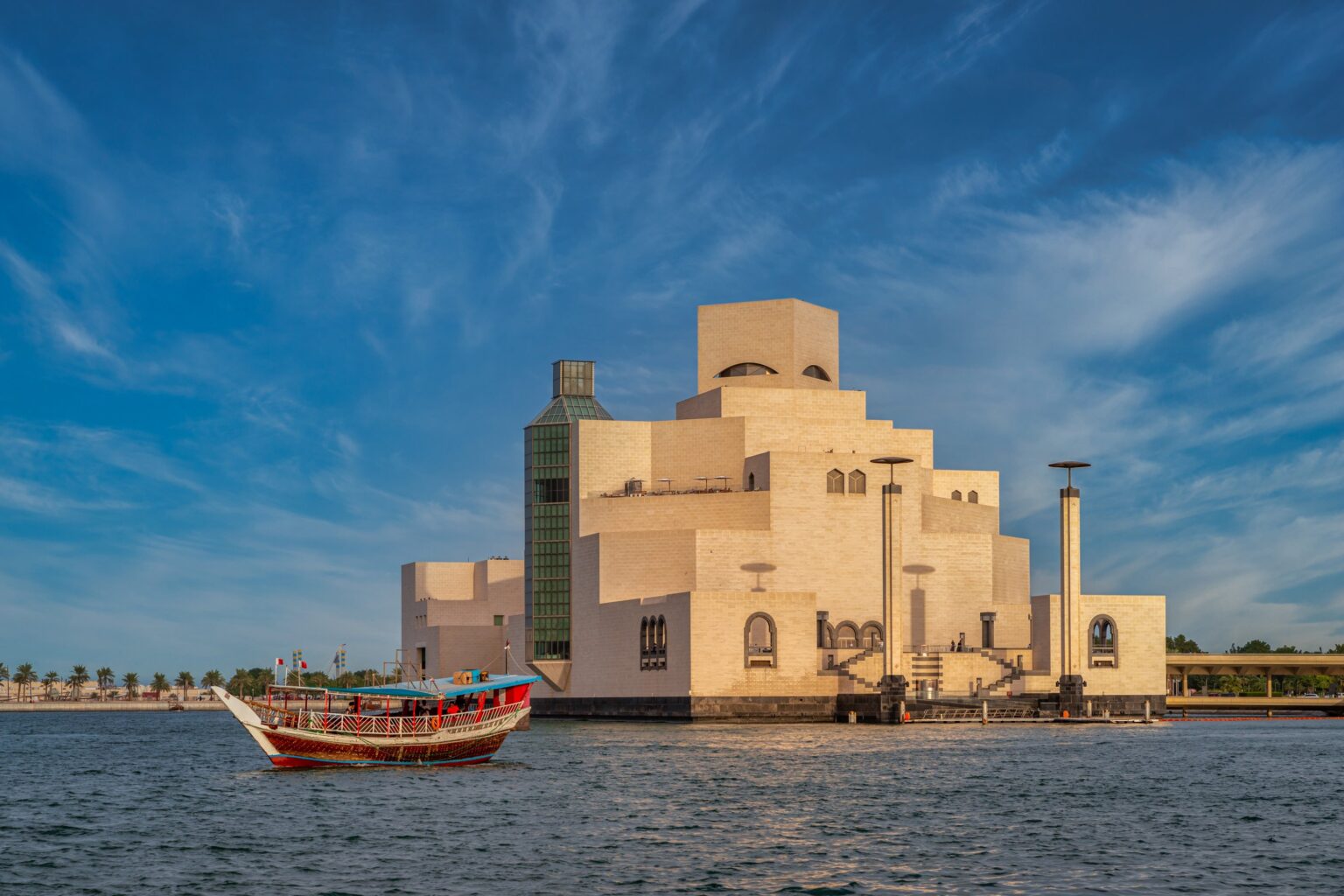
The Gulf art ecosystem is undergoing a remarkable transformation. Over the past decade, Gulf countries such as the UAE, Qatar, Saudi Arabia, and Kuwait have invested heavily in cultural infrastructure, fostering an environment where art, tradition, and innovation coexist. This delicate balance between openness to global influence and preservation of local culture is shaping a unique regional art scene, attracting artists, collectors, and tourists from across the world.
The Gulf art ecosystem is not just about building museums or hosting exhibitions—it is about creating a cultural dialogue that connects heritage with contemporary creativity. This article explores the dynamics of this ecosystem, the challenges it faces, and the opportunities it offers to artists, curators, and audiences alike.
Understanding the Gulf Art Ecosystem
The Gulf art ecosystem refers to the network of institutions, galleries, artists, collectors, cultural policymakers, and educational programs that together support and sustain art in the region. Unlike older art hubs in Europe or North America, the Gulf’s ecosystem is relatively young, yet it is growing at an extraordinary pace.
Key components of this ecosystem include:
- Museums and cultural institutions: Institutions like the Louvre Abu Dhabi, Mathaf: Arab Museum of Modern Art in Doha, and King Abdulaziz Center for World Culture in Saudi Arabia play pivotal roles in presenting global art while preserving regional heritage.
- Art fairs and biennales: Events like Art Dubai and Sharjah Biennial provide platforms for emerging and established artists to showcase their work to international audiences.
- Private galleries and studios: Local galleries have become hubs for experimentation and innovation, nurturing talent and bridging traditional and contemporary art.
- Educational programs: Universities and art schools in the Gulf are training the next generation of artists, curators, and cultural managers.
This ecosystem thrives on collaboration between public and private sectors, blending global trends with local traditions. It is this dual focus—openness to the world and commitment to heritage—that defines the Gulf art ecosystem.
Openness: Inviting Global Influence
One of the defining characteristics of the Gulf art ecosystem is its openness. Governments, private institutions, and cultural foundations actively seek to attract international artists, curators, and collectors.
International Exhibitions and Collaborations
Gulf museums and galleries regularly host international exhibitions, bringing world-renowned art to the region. For instance, the Louvre Abu Dhabi, with its globally curated collection, offers Gulf audiences a chance to experience masterpieces from across continents. Likewise, Art Dubai has become a magnet for international galleries, turning the city into a global art destination.
These initiatives serve multiple purposes: they expose local audiences to global art trends, encourage cultural exchange, and enhance the Gulf’s reputation as a serious player in the art world. By fostering openness, the Gulf art ecosystem also stimulates local creativity, pushing artists to experiment and innovate.
Encouraging Diverse Voices
Openness is not just about inviting foreign art; it is also about encouraging diverse voices within the region. Contemporary Gulf artists are exploring global themes—identity, migration, technology—while remaining rooted in local contexts. This openness allows for a vibrant dialogue between tradition and modernity, enriching the regional art scene.
Preservation: Protecting Heritage and Identity
While openness is essential, the Gulf art ecosystem equally prioritizes preservation. The region’s cultural heritage is rich, with centuries-old traditions, architecture, and crafts that form the backbone of its identity.
Museums as Guardians of Heritage
Museums in the Gulf are not just exhibition spaces; they are custodians of culture. The National Museum of Qatar, for example, showcases the country’s history and heritage alongside contemporary artistic expressions. Similarly, cultural centers in Saudi Arabia emphasize preserving local art forms while making them accessible to younger generations.
Reviving Traditional Art Forms
Preservation in the Gulf art ecosystem also involves reviving traditional techniques and crafts. Calligraphy, textile weaving, and pearl diving heritage have found new life through contemporary interpretations. Artists incorporate these elements into modern art, ensuring that traditions are not lost but rather evolve alongside contemporary practices.
Finding the Balance: Challenges and Strategies

Maintaining a balance between openness and preservation is not without challenges. The Gulf art ecosystem faces several pressures:
- Globalization vs. local identity: There is a risk that openness to global trends could overshadow local culture.
- Commercialization of art: The growing art market may prioritize investment potential over cultural significance.
- Sustainability: Rapid expansion of museums and galleries must be balanced with long-term cultural sustainability.
Strategic Approaches
To address these challenges, Gulf cultural institutions are adopting strategic approaches:
- Curatorial policies: Museums curate exhibitions that reflect global trends while highlighting regional narratives.
- Education and mentorship: Programs train artists and curators to navigate both local and international art landscapes.
- Community engagement: Institutions actively involve local communities, ensuring that art remains accessible and meaningful.
- Support for emerging artists: Grants, residencies, and competitions encourage innovation while preserving cultural roots.
The Role of Technology in the Gulf Art Ecosystem
Technology is increasingly shaping the Gulf art ecosystem. Digital platforms, virtual exhibitions, and NFT projects allow artists to reach global audiences without leaving the region.
Digital Exhibitions and Virtual Tours
Museums and galleries now offer digital exhibitions, enabling worldwide access to Gulf art. Virtual reality and interactive displays allow visitors to engage with cultural heritage in innovative ways. This use of technology reinforces openness while preserving the physical integrity of artworks.
NFTs and Digital Art
NFTs (non-fungible tokens) have opened new avenues for Gulf artists, providing both global exposure and financial opportunities. While some critics raise concerns about commercialization, these digital platforms also democratize access, allowing smaller artists to showcase their work to international audiences.
Economic and Social Impact
The Gulf art ecosystem is not just a cultural endeavor; it has significant economic and social implications.
Boosting Tourism and Economy
Cultural tourism is a growing sector in the Gulf. Art fairs, museums, and cultural festivals attract visitors, creating jobs and stimulating local economies. Cities like Dubai, Doha, and Riyadh are positioning themselves as global art hubs, drawing international attention and investment.
Fostering Social Cohesion
Art in the Gulf also plays a role in fostering social cohesion. Public art projects, community workshops, and exhibitions engage citizens, promote dialogue, and encourage appreciation of shared heritage. By balancing openness with preservation, the Gulf art ecosystem strengthens national identity while embracing global cultural exchange.
Success Stories in the Gulf Art Ecosystem
Several initiatives demonstrate how the Gulf art ecosystem is thriving:
- Art Dubai: Showcases global and regional artists, highlighting innovative contemporary art.
- Sharjah Biennial: Encourages experimental art practices and provides a platform for critical dialogue.
- Louvre Abu Dhabi: Combines global masterpieces with regional narratives, exemplifying openness and preservation.
- Diriyah Contemporary Art Initiative: Revives historic sites through art, blending heritage with modern creativity.
These success stories highlight the importance of careful planning, collaboration, and a clear vision that respects local culture while engaging the global art scene.
Future Outlook
The Gulf art ecosystem is poised for further growth. Investments in cultural infrastructure, education, and international collaborations indicate a long-term commitment to both openness and preservation.
Key trends likely to shape the future include:
- Increased focus on sustainable and ethical art practices.
- Greater integration of digital art and technology.
- Expansion of regional artist residencies and mentorship programs.
- Deeper engagement with local communities and youth.
The region is gradually establishing a model for other emerging art hubs: one where culture is not merely consumed but actively cultivated, celebrated, and preserved for future generations.
Conclusion
The Gulf art ecosystem is an evolving landscape where openness and preservation coexist in a delicate yet dynamic balance. By welcoming global influence while safeguarding local heritage, the region has created a thriving cultural environment that inspires creativity, supports artists, and engages communities.
This balance is more than a strategy; it is a cultural philosophy that ensures the Gulf remains a vibrant, relevant, and globally connected art hub. As Gulf countries continue to invest in art, the ecosystem is set to become an even more compelling model of how tradition and innovation can harmoniously coexist.
The Gulf art ecosystem shows that the true power of art lies in its ability to connect people, celebrate identity, and open doors to the world—all while honoring the past.
Do follow Gulf Magazine on Instagram
Also Read – Zayed National Museum to Reveal 7 Inspiring Stories of UAE

