

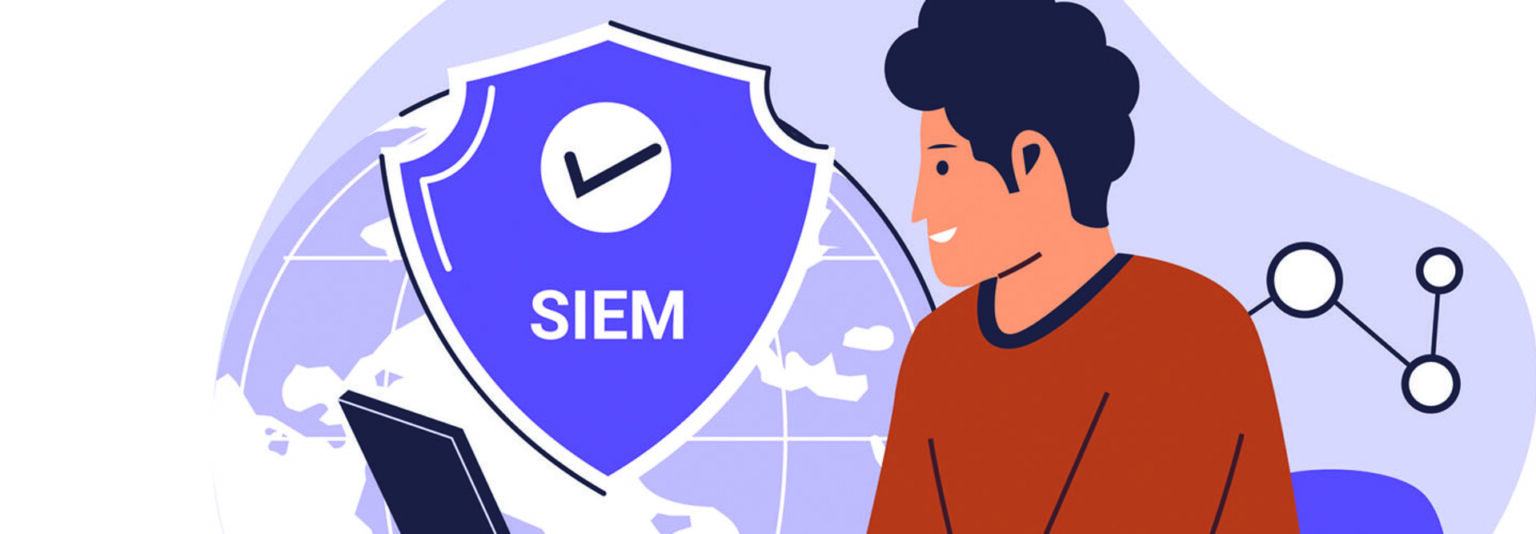
Next-Gen SIEM is rapidly becoming the backbone of modern cybersecurity, helping organizations detect threats faster, respond smarter, and stay ahead of increasingly complex cyberattacks. As businesses move to cloud environments, remote work expands, and digital systems grow more interconnected, traditional security tools are no longer enough. The new generation of Security Information and Event Management (SIEM) platforms promises not just monitoring, but intelligent protection.
This shift is not just a technical upgrade — it is a strategic necessity. Cybercriminals are using automation, artificial intelligence, and advanced tactics, forcing defenders to evolve at the same pace. Next-Gen SIEM platforms aim to close this gap by combining data analytics, machine learning, automation, and real-time visibility into one unified system.
But is this new wave truly a breakthrough, or is it simply another buzzword in the crowded cybersecurity market? To understand its impact, we must explore what makes Next-Gen SIEM different, why organizations are embracing it, and what challenges still remain.
What Is SIEM — And Why It Matters
Before diving into Next-Gen SIEM, it helps to understand the basics.
Security Information and Event Management systems collect and analyze security data from across an organization’s IT infrastructure. This includes servers, applications, firewalls, cloud platforms, endpoints, and network devices.
Traditional SIEM systems focus on three main tasks:
- Collecting logs from multiple sources
- Correlating events to identify suspicious activity
- Alerting security teams to potential threats
In theory, this provides a centralized view of security. In practice, older systems often generate overwhelming numbers of alerts, many of which are false positives. Security teams spend valuable time investigating harmless events while real threats may go unnoticed.
As cyber threats grew more sophisticated, traditional SIEM tools struggled to keep up. That gap led to the development of Next-Gen SIEM solutions.
What Makes Next-Gen SIEM Different
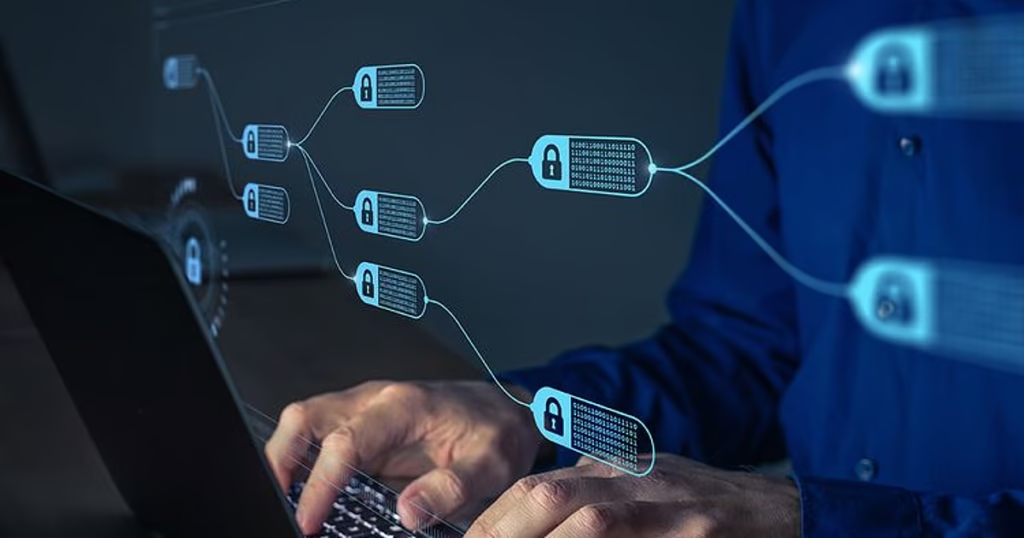
Next-Gen SIEM platforms are designed for a digital world defined by cloud computing, hybrid work, and constant cyber risk. Instead of simply collecting data, they actively interpret it.
Key advancements include:
1. Artificial Intelligence and Machine Learning
Modern SIEM systems use AI to detect patterns that humans might miss. Machine learning models analyze behavior across networks and users to identify anomalies.
For example:
- Unusual login locations
- Abnormal data transfers
- Suspicious access patterns
- Rapid privilege escalation
Instead of relying solely on predefined rules, the system learns what “normal” looks like and flags deviations.
2. Behavioral Analytics
User and Entity Behavior Analytics (UEBA) is a core feature of Next-Gen SIEM.
It tracks how users, devices, and applications normally behave. When something changes — such as an employee accessing sensitive files at odd hours — the system raises an alert.
This is especially effective against insider threats and compromised accounts.
3. Automation and Orchestration
Responding to threats manually is slow and error-prone. Next-Gen SIEM platforms automate many tasks, including:
- Blocking malicious IP addresses
- Isolating infected devices
- Triggering password resets
- Launching investigation workflows
Automation reduces response time from hours to seconds, which can prevent breaches from spreading.
4. Cloud-Native Architecture
Modern businesses rely heavily on cloud services, yet many legacy SIEM tools were designed for on-premises environments.
Next-Gen SIEM platforms are cloud-ready, enabling them to:
- Scale instantly
- Monitor multi-cloud environments
- Handle massive data volumes
- Provide remote access to security teams
This flexibility is critical in a world where digital infrastructure constantly changes.
5. Integrated Threat Intelligence
Advanced SIEM solutions integrate global threat intelligence feeds, which provide real-time information about known attack methods, malicious domains, and emerging vulnerabilities.
This allows organizations to detect threats even before attackers target them directly.
Why Organizations Are Adopting Next-Gen SIEM
Cybersecurity is no longer optional. Data breaches can lead to financial loss, legal penalties, and reputational damage.
Several factors are driving rapid adoption of Next-Gen SIEM systems.
Rising Cyber Threats
Cyberattacks are increasing in both frequency and sophistication. Ransomware, supply chain attacks, and phishing campaigns now target organizations of all sizes.
Small businesses are particularly vulnerable because they often lack dedicated security teams.
Explosion of Data
Modern IT environments generate enormous volumes of security data. Traditional tools cannot process this information efficiently.
Next-Gen SIEM platforms use advanced analytics to handle large data streams without overwhelming analysts.
Compliance Requirements
Industries such as finance, healthcare, and government must meet strict regulatory standards. SIEM systems help organizations maintain audit trails, monitor access controls, and demonstrate compliance.
Failure to comply can result in heavy fines and legal consequences.
Shortage of Cybersecurity Talent
There is a global shortage of skilled security professionals. Automation built into Next-Gen SIEM reduces the workload on existing teams and enables smaller organizations to maintain strong defenses.
Real-World Use Cases
Next-Gen SIEM platforms are used across multiple sectors.
Financial Institutions
Banks and fintech companies rely on SIEM systems to detect fraud, unauthorized transactions, and account takeovers.
Real-time monitoring can stop suspicious activity before funds are lost.
Healthcare Organizations
Hospitals store highly sensitive patient data, making them prime targets for cybercriminals.
SIEM solutions help protect medical records and ensure critical systems remain operational.
Government Agencies
Public sector organizations face constant threats from cyber espionage and politically motivated attacks.
Advanced monitoring helps safeguard national infrastructure and sensitive information.
Retail and E-Commerce
Online retailers process millions of transactions daily. SIEM systems detect payment fraud, account abuse, and data breaches that could compromise customer trust.
Benefits of Next-Gen SIEM
The shift to advanced SIEM platforms offers several clear advantages.
Faster Threat Detection
AI-driven analytics identify suspicious activity almost instantly, reducing the time attackers can operate undetected.
Reduced False Positives
Smarter correlation techniques mean security teams spend less time chasing harmless alerts and more time addressing real threats.
Improved Incident Response
Automation allows organizations to respond quickly and consistently, minimizing damage.
Unified Security View
Instead of managing multiple disconnected tools, teams get a single dashboard showing the entire security landscape.
Future-Ready Protection
As digital environments evolve, scalable cloud-based SIEM systems can adapt without major infrastructure changes.
Challenges and Limitations
Despite its advantages, Next-Gen SIEM is not a magic solution.
High Implementation Costs
Advanced platforms can be expensive to deploy and maintain, especially for smaller organizations.
Complex Setup
Configuring data sources, rules, and integrations requires expertise. Poor implementation can reduce effectiveness.
Data Privacy Concerns
Collecting large volumes of user activity data raises privacy issues. Organizations must ensure compliance with data protection laws.
Dependence on Quality Data
Even the most advanced analytics cannot function properly without accurate and complete data inputs.
Alert Fatigue Still Exists
While reduced, false positives have not been eliminated entirely. Human oversight remains essential.
The Role of AI — Opportunity and Risk
Artificial intelligence is both the strength and potential weakness of Next-Gen SIEM.
On one hand, AI enables rapid detection and response. On the other, attackers are also using AI to craft more sophisticated attacks, evade detection, and automate exploitation.
This creates an ongoing technological arms race between defenders and cybercriminals.
Organizations must therefore treat SIEM as part of a broader security strategy, not a standalone solution.
Integration With Broader Security Ecosystems
Modern cybersecurity relies on layered defenses. Next-Gen SIEM platforms often integrate with:
- Endpoint detection tools
- Identity management systems
- Network security solutions
- Vulnerability scanners
- Cloud security platforms
This integration enables coordinated defense across the entire digital environment.
Some platforms also incorporate Security Orchestration, Automation, and Response (SOAR) capabilities, further enhancing incident management.
How Businesses Can Choose the Right Solution
Selecting a SIEM platform requires careful evaluation.
Key considerations include:
- Scalability for future growth
- Compatibility with existing systems
- Ease of use for security teams
- Total cost of ownership
- Vendor support and updates
- Compliance features
Organizations should also conduct pilot testing to ensure the solution meets real-world needs.
The Future of Next-Gen SIEM
The evolution of SIEM technology is far from complete.
Emerging trends include:
Predictive Security
Future systems may anticipate attacks before they occur by analyzing global threat patterns and organizational vulnerabilities.
Autonomous Response
Advanced automation could allow systems to take defensive actions without human approval in high-risk scenarios.
Deeper Cloud Integration
As businesses move further into cloud-native architectures, SIEM platforms will focus on securing containerized and serverless environments.
Enhanced Visualization
Improved dashboards and data visualization tools will help analysts understand complex threats more quickly.
Zero Trust Alignment
Next-Gen SIEM will play a central role in Zero Trust security models, which assume no user or device is inherently trustworthy.
Is It Worth the Investment?
For many organizations, the answer is yes — but only if implemented correctly.
Next-Gen SIEM can significantly strengthen cybersecurity posture, reduce incident response times, and provide visibility that older systems cannot match. However, success depends on skilled management, proper configuration, and integration with other security measures.
Companies must also weigh costs against potential losses from data breaches, which can far exceed the price of advanced protection.
Conclusion
Next-Gen SIEM represents a major step forward in the fight against cyber threats. By combining artificial intelligence, automation, behavioral analytics, and cloud scalability, these systems offer a proactive approach to security rather than a reactive one.
Yet technology alone cannot guarantee safety. Human expertise, organizational policies, and continuous monitoring remain essential components of effective defense.
As cyber risks continue to grow, the rise of Next-Gen SIEM signals a shift toward smarter, faster, and more adaptive protection. Whether viewed as a powerful shield or an overhyped trend, one thing is clear: the future of cybersecurity will depend heavily on systems that can learn, evolve, and respond in real time.
For businesses navigating an increasingly dangerous digital landscape, adopting advanced security tools is no longer just an option — it is a necessity.
Do follow us: Instagram
Read More: Oman-India CEPA Nearing, Promising Prosperous Bilateral Future

