


Iran’s financial sector has shown remarkable resilience and growth in November 2025. After years of navigating global challenges, sanctions, and fluctuating oil revenues, the country’s economy is witnessing a notable upswing. The financial markets are responding positively, reflecting increased investor confidence and stronger domestic activity. This surge has attracted attention from regional investors and analysts who see promising signs for Iran’s long-term economic stability.
Banking activities, stock market performance, and government financial policies have all contributed to this surge. The momentum is a result of strategic planning by financial authorities, which has ensured that critical sectors remain active while stimulating growth in emerging industries.
Banking Sector: A Pillar of Growth
The banking sector in Iran played a significant role in November’s financial performance. Several banks reported increased lending activities, particularly toward small and medium-sized enterprises (SMEs). This shift reflects a focus on empowering local businesses and stimulating domestic consumption.
Government-backed initiatives aimed at promoting entrepreneurship have enabled banks to diversify their portfolios and offer more flexible financing options. These measures have resulted in higher liquidity, increased capital flow, and improved profitability for many institutions. Consumers are also benefiting from better access to loans and credit facilities, which in turn fuels broader economic activity.
Stock Market Performance
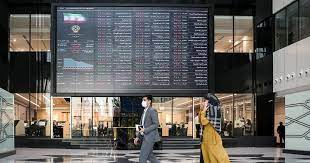
Iran’s stock market has also contributed significantly to financial growth. Key indices have experienced upward momentum, reflecting investor optimism and confidence in the country’s economic policies. Strong performance in sectors such as energy, banking, and technology has attracted domestic and regional investment.
The stock exchange’s performance indicates a growing appetite for financial instruments among citizens and institutional investors alike. Companies listed on the market are leveraging this interest to raise capital for expansion, research, and development, which further reinforces the cycle of growth.
Government Initiatives and Policy Impact
Government policies have been crucial in sustaining the growth trend. Strategic fiscal measures, including targeted subsidies, tax incentives, and regulatory reforms, have bolstered economic activity. Authorities have also prioritized transparency and financial accountability, which has strengthened market confidence and reduced uncertainties.
Additionally, Iran’s focus on digitization and modernization of financial services has made transactions more efficient, enhancing accessibility for both businesses and consumers. These technological advancements are expected to support long-term growth by streamlining processes and reducing operational costs.
Foreign Investment and Regional Opportunities
While sanctions and geopolitical challenges have historically limited foreign participation, November saw cautious optimism among investors. Regional trade partners are exploring opportunities in Iran’s expanding finance sector. Initiatives aimed at easing trade restrictions and fostering cross-border investment have created openings for collaboration in sectors like banking, energy, and technology.
This growing interest underscores Iran’s potential as a strategic financial hub within the Middle East. By attracting investment while simultaneously nurturing domestic industries, the country is positioning itself for sustainable economic expansion.
Inflation and Currency Stability
One of the key concerns for Iran has been currency volatility and inflation. In November, financial authorities implemented measures to stabilize the rial and control inflationary pressures. Price stabilization policies, coupled with targeted monetary interventions, have contributed to increased market confidence.
The improved stability of Iran’s currency has encouraged consumer spending and investment, creating a favorable environment for businesses to plan long-term strategies. These measures reflect a proactive approach by policymakers to balance growth with economic security.
Technological Advancements in Finance
Digital banking and fintech developments have played an increasingly important role in Iran’s financial growth. Mobile banking, online payment platforms, and blockchain-based services have made transactions more accessible and secure.
Financial institutions are adopting advanced analytics and artificial intelligence to enhance customer service, risk management, and investment decision-making. These innovations are not only improving operational efficiency but also attracting younger, tech-savvy investors, who are eager to participate in the evolving financial landscape.
SME Growth and Entrepreneurial Momentum
Small and medium-sized enterprises have been a significant driver of economic momentum in Iran. Government-backed financing, coupled with private sector support, has enabled SMEs to expand their operations and invest in innovative solutions.
Entrepreneurial initiatives, particularly in technology, manufacturing, and service industries, are generating employment opportunities and contributing to overall economic vitality. November’s financial data indicates that SMEs are increasingly becoming a backbone of the Iranian economy, driving growth from the grassroots level.
Energy and Industrial Sector Contributions
Iran’s energy sector remains a cornerstone of financial stability. Revenue from oil, gas, and renewable energy projects continues to bolster the national budget and provide liquidity to financial institutions. Industrial diversification, including manufacturing and technology sectors, is complementing traditional energy revenues and enhancing resilience against external shocks.
Investment in infrastructure, industrial parks, and technology hubs has created new opportunities for financial institutions to engage with innovative projects. This synergy between finance and industry is central to sustaining long-term growth.
Consumer Confidence and Market Sentiment
Consumer confidence has seen a notable boost in November, reflecting the overall positive sentiment in the financial sector. Increased spending, higher loan uptake, and greater participation in stock markets are indicators of a population optimistic about economic prospects.
This growing confidence is critical for sustaining economic growth, as consumer behavior directly impacts business performance, employment levels, and government revenue. Policymakers are leveraging this momentum to introduce supportive measures and encourage further engagement in financial markets.
Challenges Ahead
Despite positive trends, Iran’s financial growth faces ongoing challenges. Geopolitical tensions, potential fluctuations in oil prices, and external economic pressures could impact stability. Policymakers must continue to implement prudent fiscal and monetary strategies to mitigate risks and ensure sustainable growth.
Strengthening domestic production, enhancing export capacity, and diversifying the economy remain critical priorities. By balancing these strategic objectives with financial innovation, Iran can maintain its growth trajectory and build resilience against external shocks.
Looking Forward: Sustaining Momentum
Iran’s financial growth in November 2025 represents a promising step toward long-term economic stability. With strategic government policies, robust banking and stock market performance, technological adoption, and increasing SME activity, the country is on a path to sustained prosperity.
As Iran continues to attract investment and expand its financial infrastructure, the potential for future growth is significant. By prioritizing innovation, efficiency, and market confidence, Iran can reinforce its position as a dynamic player in the regional and global economy.
The progress seen in November is more than just a monthly milestone; it signals the beginning of a more resilient, diversified, and modern financial system. If the current trajectory continues, Iran could witness even stronger financial outcomes, further enhancing the well-being of its citizens and reinforcing its economic potential.
Do Follow Gulf Magazine on Instagram
Read More:- Saudi Arabia vs Oman: Exciting Tips to Stream Every Goal Live 2025

